
Meaning of the Name Liz
Origin of the Name Liz
Gender Association of the Name Liz
Popularity of the Name Liz
Global Usage of the Name Liz
Characteristic Features of People Named Liz
Charismatic
Lizs often exhibit a magnetic personality that attracts others naturally.
Intelligent
With a sharp mind, they are quick thinkers and problem solvers.
Kind-hearted
Compassion and empathy are hallmark traits, as Lizs are usually very caring towards others.
Creative
Often found in artistic fields, they have a keen sense of creativity and innovation.
Independent
Self-sufficient and confident, they thrive on their autonomy and self-reliance.
Adaptable
Lizs can easily adjust to new environments and situations, displaying remarkable flexibility.
Optimistic
Their positive outlook helps them overcome challenges with grace and perseverance.
Trustworthy
Known for their integrity, Lizs are often seen as reliable and honest friends.
Enthusiastic
Bursting with energy, they approach life's adventures with zest and enthusiasm.
Generous
Known for their big hearts, Lizs enjoy sharing their resources and time with those in need.
Common Career Paths for People Named Liz
Creative Industries
Lizs often thrive in fields like art, music, and design, embracing their creative intuition.
Leadership Roles
Naturally possess leadership skills, they excel in management and executive positions.
Healthcare
With their caring nature, many Lizs are drawn to careers in nursing, therapy, or wellness.
Education
Their communicative talents often lead Lizs to become educators or trainers.
Business
Strategic and decisive, they can be successful entrepreneurs or business analysts.
Media and Communication
Articulate and expressive, Lizs fit in journalism, public relations, or marketing roles.
Social Work
With a passion for helping others, they frequently work in community services or charities.
Literary Fields
Many are found writing novels, poetry, or working as editors due to their way with words.
Science and Technology
Problem-solving abilities make them adept in research, IT, or engineering fields.
Law
Detail-oriented and analytical, some Lizs pursue careers as lawyers or legal advisors.
Unique and Interesting Characteristics of the Name Liz
Pop Culture Presence
Liz has featured in a number of films and television series, including characters in “30 Rock” with Liz Lemon as a lead character.
Historical Usage
The name was popular amongst the British royals due to its association with Queen Elizabeth.
Global Appeal
Adapted and embraced by different cultures worldwide, Liz resonates for its neutrality and elegance.
Literary Appearances
Often used by authors for its crisp sound and approachable nature, making it a favorite in novels and poetry.
Fashion Influence
Worn by timeless fashion icons like Liz Taylor, propelling it to chic sophistication.
Nickname Varieties
Can be affectionately shortened to Lizzy or Liza, giving a variety of friendly options.
Versatile Meaning
Known for its connection to Elizabeth, it maintains the noble essence while being adaptable for contemporary names.
Music Industry
Prominent singers like Liz Phair have carried the name with pride in their careers.
Existence of Liz Festivals
Some regions celebrate festivals where the name Liz features prominently.
Evergreen Popularity
Though trends evolve, the name Liz remains an evergreen choice for many.
Famous People Named Liz
- Liz Taylor : Renowned actress known for her beauty and talent.
- Elizabeth 'Liz' Smith : Famous British actress and comedienne.
- Liz Phair : Influential American singer-songwriter.
- Liz Cheney : Prominent American attorney and politician.
- Liz Claiborne : Successful fashion designer and entrepreneur.
- Elizabeth 'Liz' Hurley : Acclaimed British model and actress.
- Liz Lemon : Fictional character from the TV series '30 Rock'.
Liz Custom Tattoo Design Collection

Liz Watercolor Name Tattoo Concept

Liz Surrealism Name Tattoo Artwork

Liz Trash Polka Name Tattoo Concept
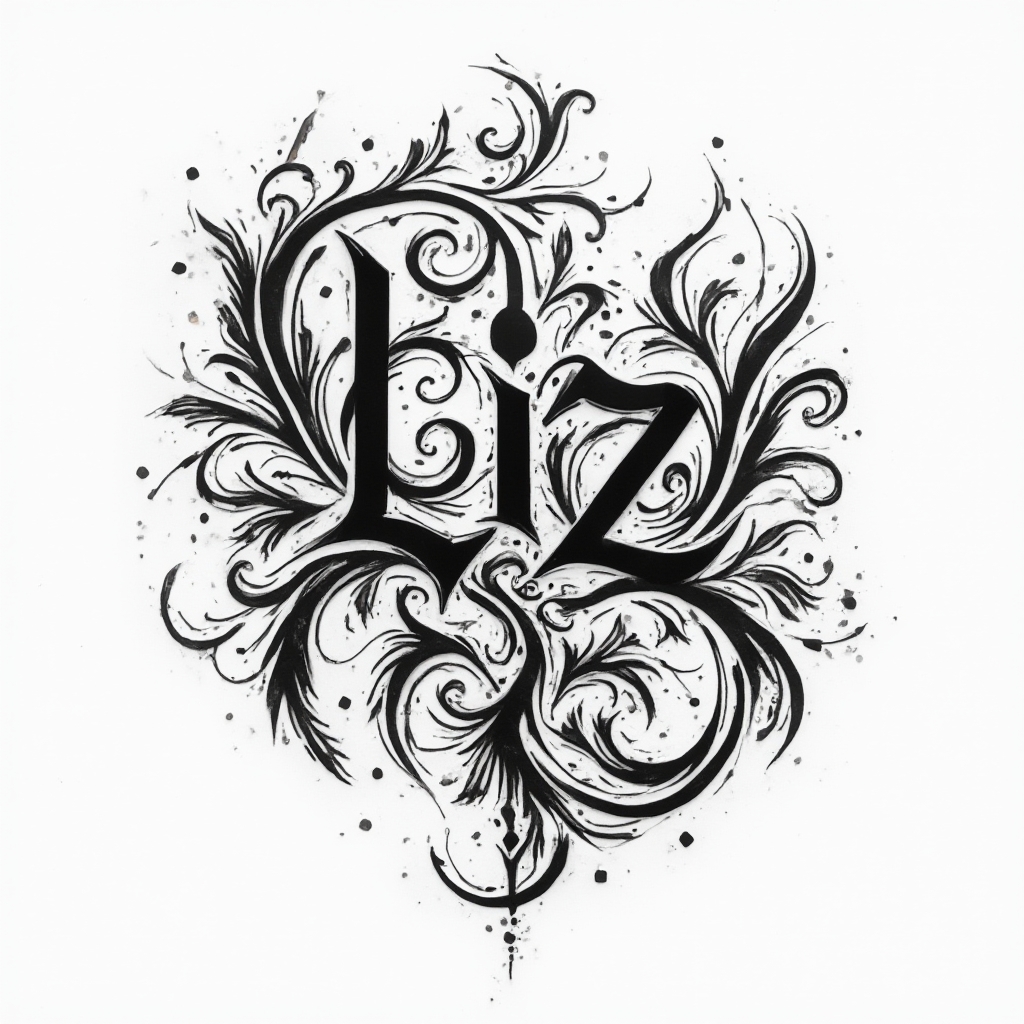
Liz AI-Original-Style Abstract Name Tattoo
Global distribution & gender ratio
United States
56.83% of recorded usage
Female: 99.76% · Male: 0.24%
Mexico
15.83% of recorded usage
Female: 99.80% · Male: 0.20%
Paraguay
6.83% of recorded usage
Female: 99.43% · Male: 0.57%
Brazil
3.71% of recorded usage
Female: 99.38% · Male: 0.63%
United Kingdom
2.20% of recorded usage
Female: 99.30% · Male: 0.70%
You may also like
Similar names
Elisa
Derived from Elizabeth, Elisa also means 'God is my oath'.Elise
A French variant of Elizabeth, Elise carries the notion of 'my God is my vow'.Lisa
A simple yet elegant name, Lisa shares the conviction 'God is bountiful'.Lily
Often symbolizing purity, Lily is a florally inspired name related to beauty.Liza
Originating from Elizabeth, Liza means 'God is my oath'.Libby
Frequently used in English-speaking regions, Libby denotes 'my God is bountiful'.Elisabeth
A classic name connected to divine promise. Elisabeth represents timeless elegance.Belle
Sharing roots with Laura, Belle embodies beautiful aspirations.Beth
Meaning 'house' or 'God is abundance', Beth is a calming name.Isabel
A Spanish variant rich in tradition, Isabel signifies pledge to God.
Frequently asked questions about liz
What is the meaning of the name Liz?
The name Liz, often a diminutive of Elizabeth, suggests noble grace and elegance.
What is the origin of Liz?
Liz originates from British culture, derived from the name Elizabeth with Hebrew roots.
Is Liz a gender-neutral name?
While primarily female, Liz can be considered gender-neutral in certain circumstances.
How popular is the name Liz?
Liz remains moderately popular, especially in the US and UK, with significant peaks in past decades.
How is the name Liz used globally?
Liz enjoys global usage, recognized in countries like the United States, France, and Australia.
What characteristic features are associated with Liz?
Lizs are often charismatic, intelligent, and creative, with a kind-hearted nature.
What are similar names to Liz?
Similar names include Elisa, Elise, Lisa, Lily, and Liza, sharing origins or phonetic closeness.
Who are some famous people named Liz?
Famous Lizs include Liz Taylor, Liz Phair, and Liz Cheney.