
Meaning of the Name Marcos
Origins of the Name Marcos
Gender Association of the Name Marcos
Popularity of the Name Marcos
Global Usage of the Name Marcos
Characteristic Features of People Named Marcos
Leadership
Individuals named Marcos often showcase strong leadership qualities, naturally gravitating towards roles that require decision-making and influence.
Charisma
Known for their magnetic and engaging personalities, they possess the ability to inspire and unite people.
Resilience
Marcos is characterized by a robust resilience, often overcoming challenges with tenacity and determination.
Intelligence
A sharp mind is frequently observed among Marcos, often excelling in areas that require analytical thinking and problem-solving.
Creativity
Many show a distinct capacity for creativity, expressing themselves through art, music, or innovation.
Loyalty
The name is commonly associated with deep loyalty, forming strong bonds with family and friends.
Determination
Their focused perseverance marks them as committed individuals in personal and professional pursuits.
Common Career Paths for People Named Marcos
Leadership and Management
Marcos often excel in leadership roles, finding success as executives, managers, or team leaders.
Creative Arts
Many are drawn to careers in the arts, be it as musicians, writers, or visual artists, thanks to their creative flair.
Social Sciences
Their empathetic nature leads them to thrive in professions like psychology, sociology, and teaching.
Entrepreneurship
A significant number embark on business ventures, driven by an enterprising spirit and innovative thinking.
Engineering and Technology
Analytical prowess and problem-solving skills often lead Marcos into technology and engineering fields.
Civil Service
Some find fulfillment serving in government roles, advocating for community and social causes.
Unique and Interesting Characteristics of the Name Marcos
Historical Resilience
The name Marcos has appeared in various historical timelines as a symbol of strength and leadership.
Cultural Symbolism
In films and literature, the name often appears as characters reflecting heroism and courage.
Notable Figures
Figures such as revolutionary leader Marcos from the Zapatista movement highlight its evocative nature.
Sports Legends
Many prominent athletes named Marcos have left a lasting mark in sports history.
Regional Variations
'Marcos' displays versatility, seen in various adaptations globally while maintaining its core meaning.
Inspirational Leaders
Many political or business leaders named Marcos have contributed significantly to their fields.
Famous People Named Marcos
- Marcos Senna: Acclaimed Spanish-Brazilian footballer known for his skill on the field.
- Marcos Pontes: The first Brazilian astronaut, a pioneer in space exploration.
- Marcos Baghdatis: Cypriot former professional tennis player with numerous titles.
- Marcos Rojo: Prominent Argentine footballer playing in top European clubs.
- Marcos Maidana: Renowned Argentine professional boxer with a remarkable career.
Tattoo design prompts for the name 'marcos'
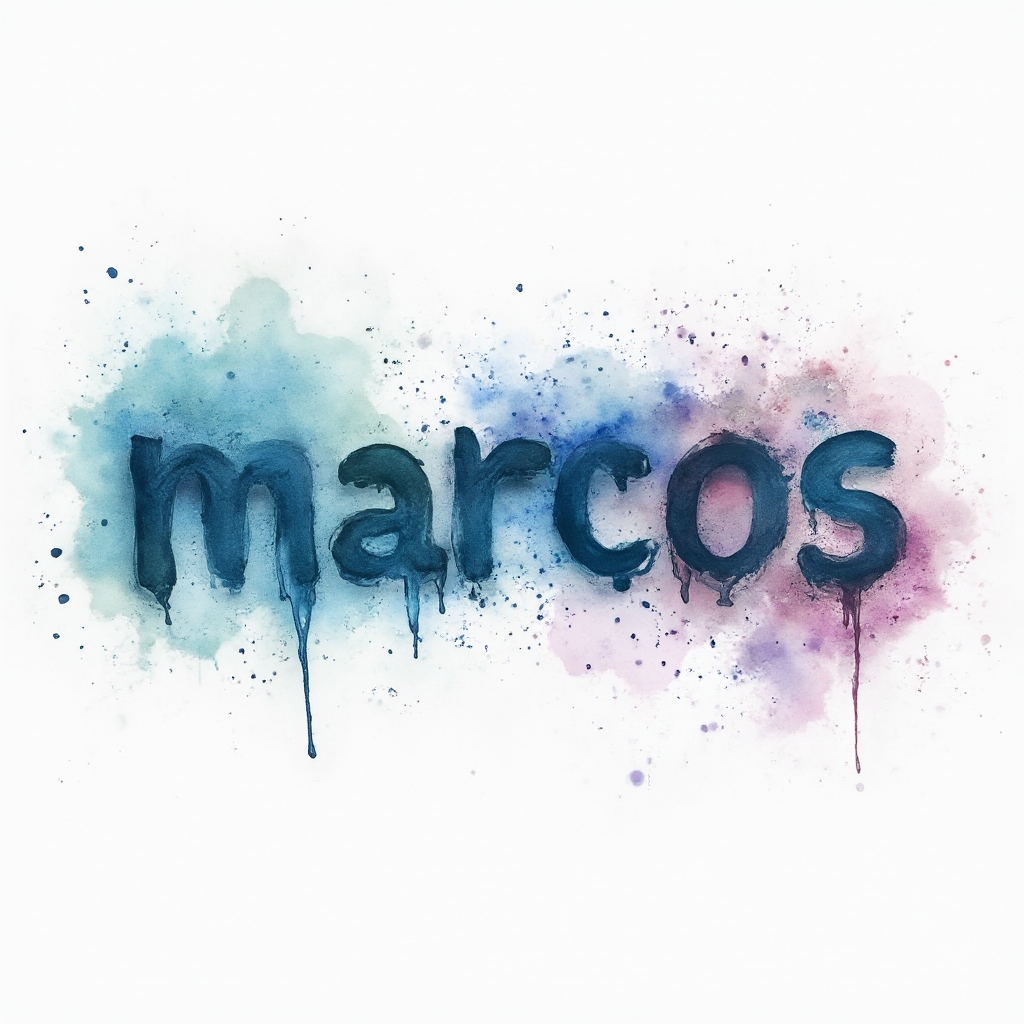
Watercolor Bloom

Surreal Dreamscape
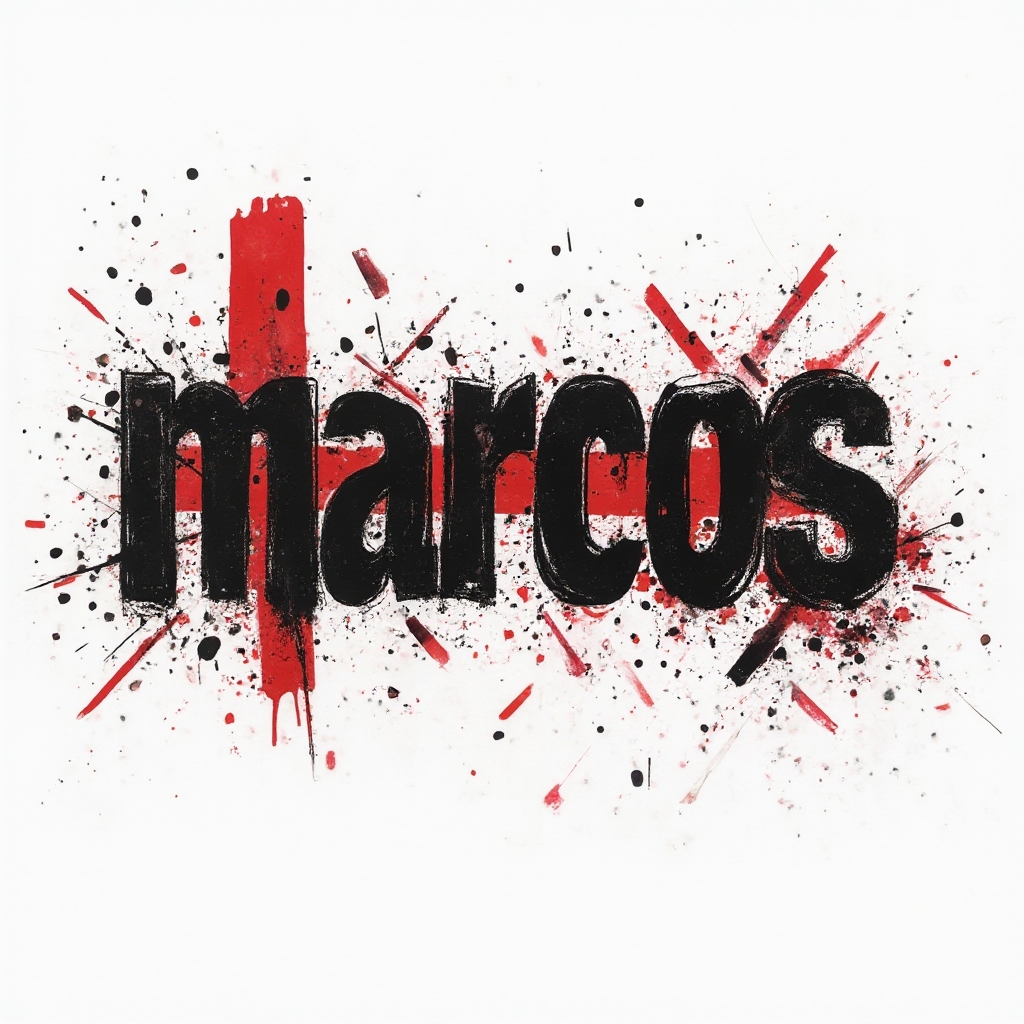
Trash Polka Strike

AI-Original-Style Flux
Global distribution & gender ratio
Brazil
80.06% of recorded usage
Female: 0.55% · Male: 99.45%
Mexico
4.60% of recorded usage
Female: 0.36% · Male: 99.64%
United States
3.36% of recorded usage
Female: 0.10% · Male: 99.90%
Spain
2.32% of recorded usage
Female: 0.14% · Male: 99.86%
Paraguay
2.13% of recorded usage
Female: 0.78% · Male: 99.22%
You may also like
Similar names
Marco
A direct variation of Marcos, meaning similarly warlike or dedicated to Mars, often seen in Italian and English-speaking cultures.Marcelo
A variant with shared roots meaning young warrior, popular in Portuguese and Spanish-speaking regions.Marcus
A classical variant, reflecting the original Latin name with the same warlike implications.Mark
An English adaptation of Marcus with the essence of battle-ready and strong character traits.Marcio
A Brazilian and Portuguese equivalent, resonates with the theme of strength and valor.Marcellus
Denotes a young warrior, popularized in ancient Rome and seen in various historical texts.Marek
A Polish variation meaning warrior or fighter, known for its Slavic influences.Marius
Possibly derived from the Roman god Mars, it carries the notion of a noble fighter.Martin
Though more commonly associated with St. Martin, it shares roots in being of Mars.Marinho
A Portuguese diminutive, often linked to the sea and ascribed with qualities of strength.