
Meaning of the Name Mari
Origin of the Name Mari
Gender Association of the Name Mari
Popularity of the Name Mari
Global Usage of the Name Mari
Characteristic Features of People Named Mari
Creative and Expressive
Individuals named Mari are often incredibly creative, expressing themselves artistically. They find joy in creating and innovating, whether through art, music, or writing.
Empathetic and Understanding
Mari is perceived as understanding and empathetic, always ready to lend an ear to friends and loved ones. They have a knack for making others feel at ease and understood.
Resilient and Strong-willed
Resilience is a notable trait among people named Mari. They face challenges head-on with determination and strength, often inspiring those around them.
Loyal and Trustworthy
Loyalty is fundamental to Mari’s personality. This name is often linked to a steadfast nature, being someone others can rely on through thick and thin.
Independent and Self-Assured
Self-assured and capable, individuals named Mari tend to be very independent. They pursue their goals with confidence, building a life led by personal aspirations.
Common Career Paths for People Named Mari
Artistic and Creative Fields
Mari often gravitate toward careers that allow them to express their creative talents, including visual arts, music, and literature. This creativity frequently defines their professional lives.
Social and Humanitarian Work
Empathy often leads Mari to social work, counseling, or non-profit sectors, where they can make a positive impact on society with their understanding nature.
Entrepreneurial Ventures
With their strong-willed and independent nature, Mari are often successful entrepreneurs, developing businesses that reflect their passions and beliefs.
Education and Research
Mari's natural curiosity and understanding make them great educators and researchers, thriving in environments that encourage knowledge sharing and discovery.
Healthcare and Wellness
Some individuals pursue careers in healthcare, driven by a desire to help and heal others, utilizing their empathetic nature for patient care and wellness.
Unique and Interesting Characteristics of the Name Mari
Literary and Pop Culture Presence
The name Mari frequently appears in literature and pop culture, often representing multicultural characters due to its diverse origins.
Historical Significance
Historically, Mari holds a significant place, especially in cultures with connections to religious figures like Mary. This ties it to historical legacies worldwide.
International References
Notable cultural references include the naming of the Basque goddess Mari, a testament to its spiritual grounding in various cultures.
Connections to Maritime Themes
Due to its meanings related to the sea, Mari is often used in contexts highlighting oceanic themes, from storytelling to character names in seaside locales.
Representation in Media
In media, Mari often signifies multidimensional characters, blending strength with sensitivity, showcasing its broad cultural acceptances.
Famous People Named Mari
- Mari Yaguchi: Japanese idol and singer
- Mari Boine: Norwegian Sami singer and songwriter
- Mari Sandoz: American author, known for writing about the Great Plains
Mari Artistic Tattoo Design Collection
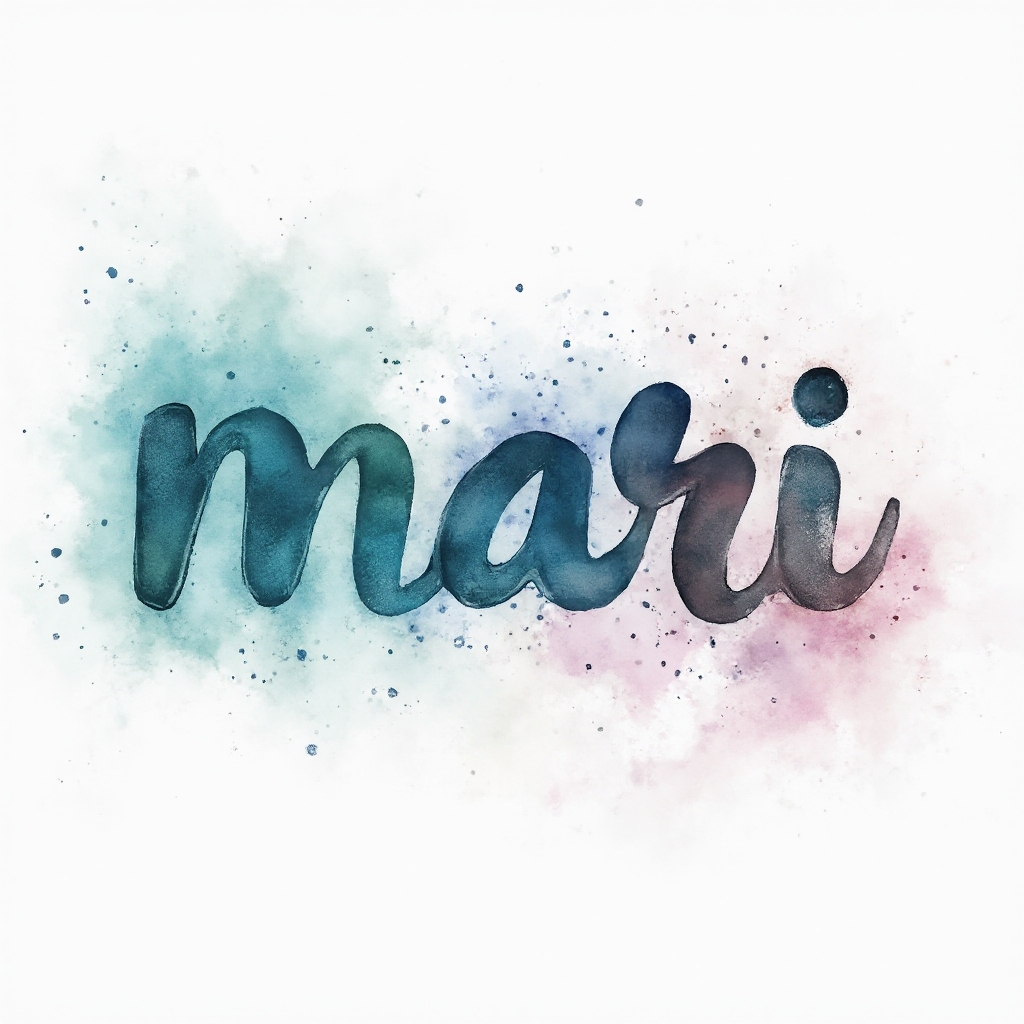
Mari Watercolor Ink Splash Tattoo Concept

Mari Surrealism Dreamform Tattoo Design
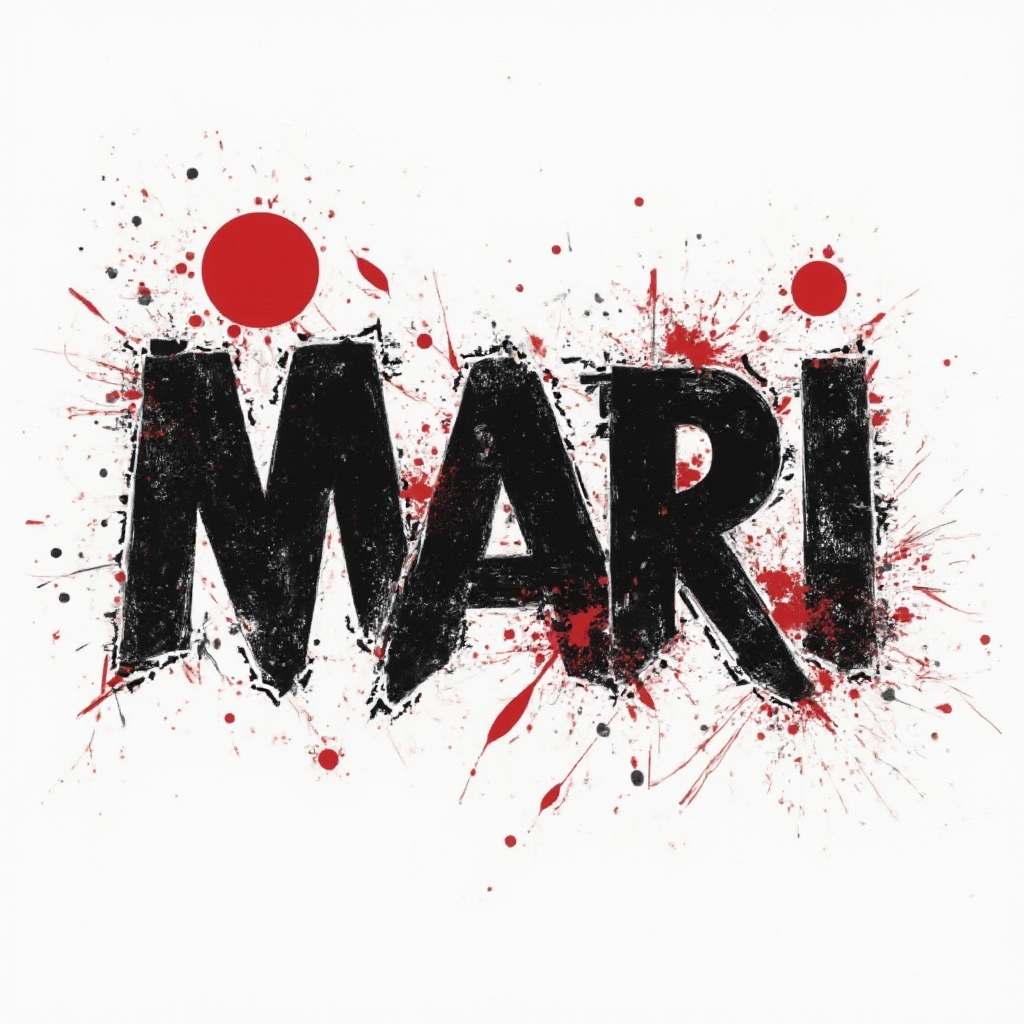
Mari Trash Polka Abstract Contrast Tattoo
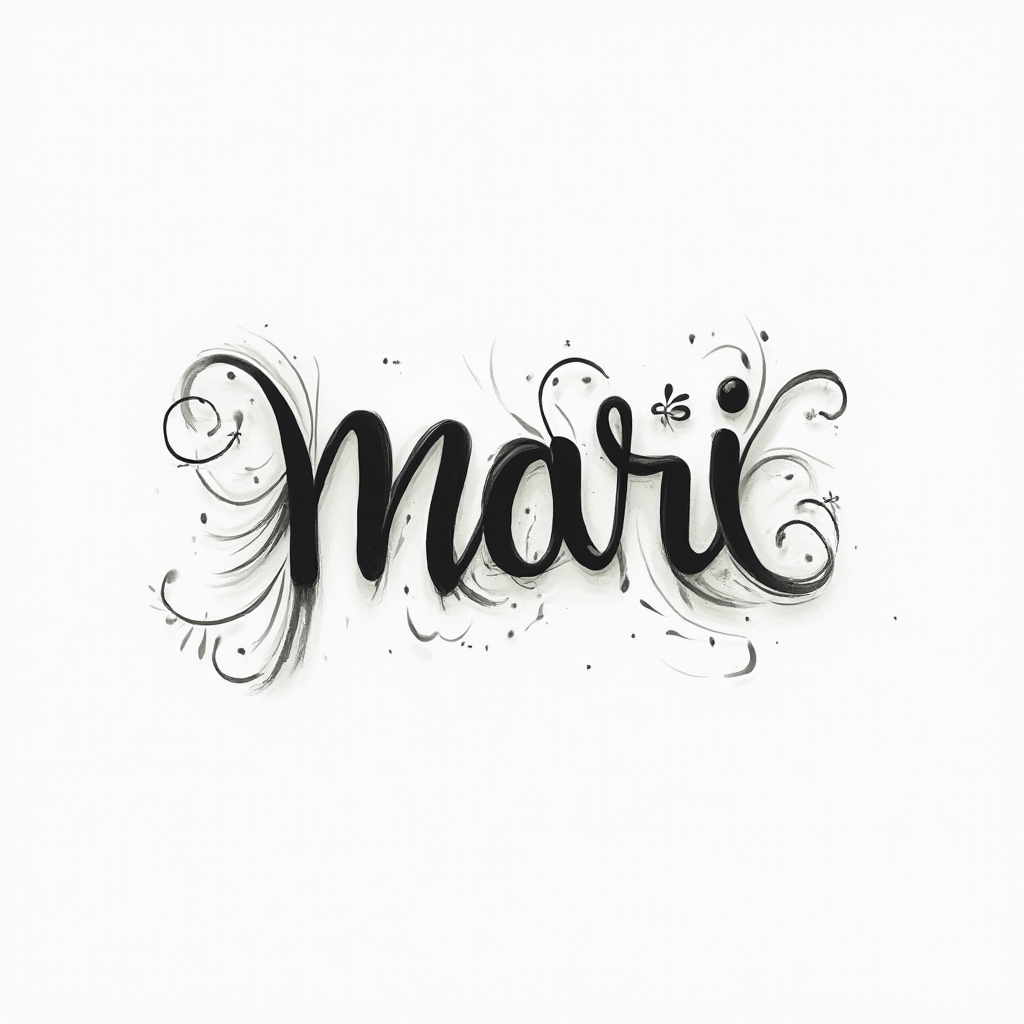
Mari AI-Original-Style Dimensional Flow Tattoo
Global distribution & gender ratio
Brazil
38.24% of recorded usage
Female: 98.74% · Male: 1.26%
United States
11.82% of recorded usage
Female: 97.08% · Male: 2.92%
Russia
7.84% of recorded usage
Female: 98.83% · Male: 1.17%
Mexico
6.17% of recorded usage
Female: 99.63% · Male: 0.37%
Spain
3.76% of recorded usage
Female: 93.27% · Male: 6.73%
You may also like
Similar names
Maria
A widely known name across many cultures, Maria is often linked to religious figures, representing beloved or sea of bitterness.Marin
Often linked to maritime themes, Marin means of the sea which shares a similar origin with Mari.Mara
A name with Hebrew roots, representing bitterness or strength.Maira
Associated with brightness, this name is used in various cultures resembling Mari.Maris
Meaning of the sea, Maris shares nautical connotations with Mari.Maia
A name linked to the Goddess of Spring and growth in different mythologies.Marina
A Latin origin name meaning of the sea, often tied to the ocean, like Mari.Mayra
This name symbolizes honey or beloved in different traditions, similar in affection.Mariella
Derived from Mary, it carries the meaning of bitter or beloved.Mia
A name reflecting mine or beloved, popular and closely associated with Mari.
Frequently asked questions about mari
What is the meaning of the name Mari?
The name Mari holds meanings such as 'beloved', 'sea of bitterness', and 'rebellion'.
What is the origin of the name Mari?
The origin of the name Mari is diverse, including Hebrew, Japanese, and Scandinavian roots.
Is Mari a common name for both genders?
Yes, Mari is widely regarded as a gender-neutral name and is used for both males and females.
How popular is the name Mari?
The popularity of Mari varies, but it is especially favored in Japan and Norway.
Is Mari used globally?
Yes, Mari enjoys global use, with variations in pronunciation and cultural significance.
What career paths are common for people named Mari?
People named Mari often succeed in creative fields, social work, entrepreneurship, education, and healthcare.
What are common characteristics of people named Mari?
Mari is often seen as creative, resilient, empathetic, loyal, and independent.
Are there any famous people named Mari?
Famous people include Mari Yaguchi, a Japanese idol, and Mari Boine, a Norwegian singer.