
Meaning of the Name Musa
Origin of the Name Musa
Gender Association of the Name Musa
Popularity of the Name Musa
Global Usage of the Name Musa
Characteristic Features of People Named Musa
Wise
Individuals named Musa are often perceived as wise and insightful. Their ability to understand complex situations and offer sound advice is a key trait.
Spiritual
With a name steeped in religious history, Musas may demonstrate a strong sense of spirituality and moral values.
Intuitive
Many believe that those named Musa possess a natural intuition, providing them with a unique perspective on life.
Charismatic
They are known for their charming and engaging personalities, often drawing others towards them.
Leadership
With strong historical figures sharing this name, many Musas embrace leadership roles, often impacting others positively.
Intellectual
A strong inclination towards learning and growth defines many with this name, who are keen learners and thinkers.
Resilient
They are known to bounce back from challenges and adversities with strength and determination.
Empathetic
Displaying great empathy, Musas often connect deeply with others and understand emotional nuances.
Common Career Paths for People Named Musa
Religious Leaders
Given the spiritual connotations, many Musas pursue roles in religious institutions.
Educators
Their wisdom often guides them towards teaching and educational roles, where they can impart knowledge to others.
Social Workers
Driven by empathy and a sense of service, Musas frequently engage in social service sectors, facilitating positive change.
Public Speakers
Thanks to their charismatic nature, they're often great communicators and influencers.
Philosophers
The intellectual leaning makes Musa a common name among thinkers and philosophers.
Politicians
Leadership traits steer many towards political roles, where they can lead and enact policies for societal development.
Cultural Ambassadors
Their global recognition makes Musas ideal representatives in cultural exchange roles.
Writers
Their intuitive understanding of human behavior often finds expression in literature and storytelling.
Unique and Interesting Characteristics of the Name Musa
Historical Connection
The name Musa is closely linked to the prophet Moses, making it significant in major world religions.
Pop Culture
The name Musa appears in various films and series, often personified by characters with deep wisdom or mysticism.
Literary References
In literature, Musa may be cited as a symbol of guidance and moral paradigms.
Musical Influence
In some cultures, songs and poems use Musa metaphorically to represent wisdom or inspiration.
Cultural Significance
The name's Islamic roots infuse it with cultural significance, upholding traditions and history.
Notable Figures
Numerous public figures, from athletes to scholars, bear this name, reflecting its diverse application.
Global Adaptation
Despite its strong cultural roots, Musa is globally embraced, transcending linguistic and cultural barriers.
Religious Texts
Frequently mentioned in religious texts, adding layers to its historical and spiritual depth.
Famous People Named Musa
- Musa I of Mali: Emperor of the Mali Empire in the 14th century, renowned for his wealth and influence.
- Musa Aman: Malaysian politician and former Chief Minister of Sabah.
- Musa Javed Chohan: Pakistani diplomat and former ambassador to Canada.
- Musa Barrow: Gambian professional footballer playing for Serie A club Bologna.
- Musa Cälil: Soviet Tatar poet and resistance fighter during World War II.
Creative Tattoo Concepts for the Name Musa

Musa Watercolor Aurora Tattoo Concept
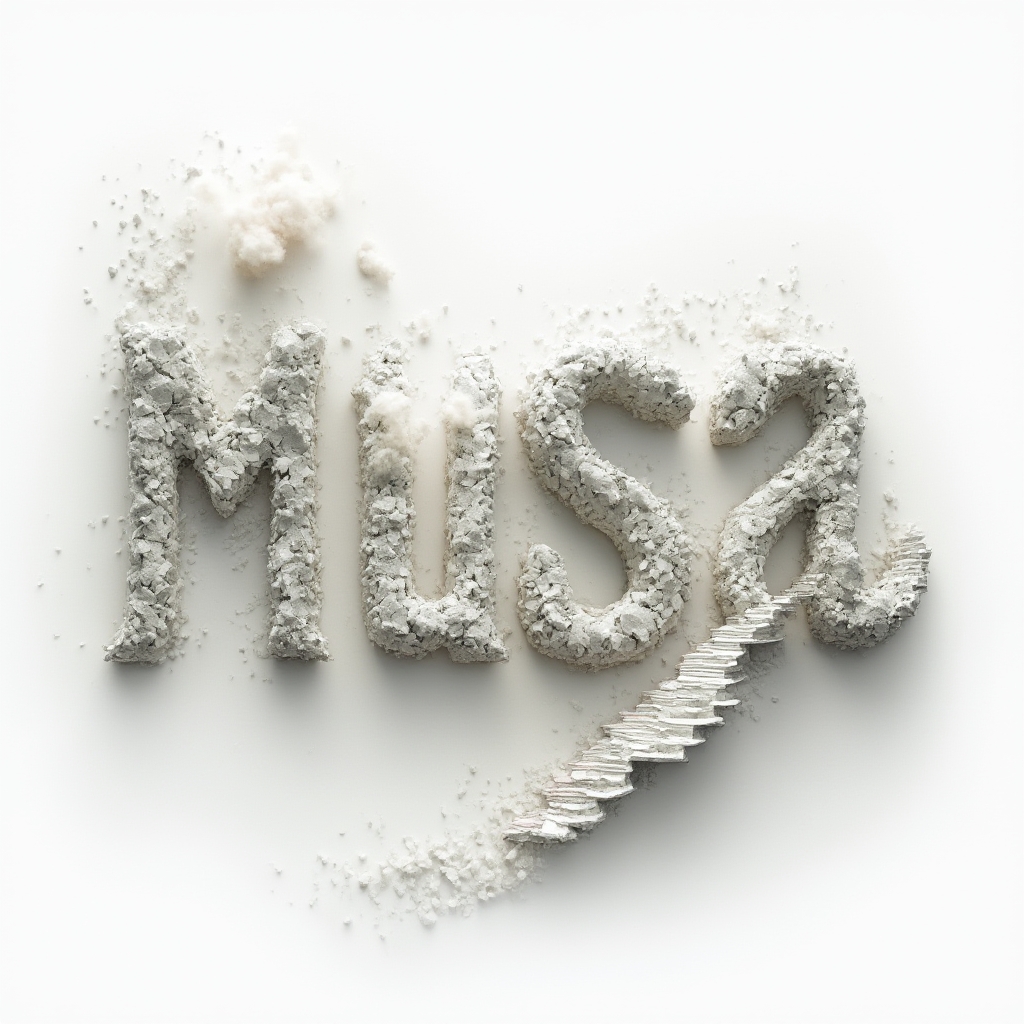
Musa Surrealism Dreamscape Tattoo Design

Musa Trash Polka Contrast Tattoo Concept

Musa AI-Original-Style Dimensional Flow Tattoo
Global distribution & gender ratio
Türkiye
94.20% of recorded usage
Female: 0.86% · Male: 99.14%
Indonesia
0.62% of recorded usage
Female: 2.27% · Male: 97.73%
Nigeria
0.62% of recorded usage
Female: 3.03% · Male: 96.97%
Cyprus
0.46% of recorded usage
Female: 2.04% · Male: 97.96%
Malaysia
0.46% of recorded usage
Female: 7.22% · Male: 92.78%
You may also like
Similar names
Issa
A name of Arabic origin meaning Jesus, similar in religious significance to Musa.Moses
The biblical counterpart of Musa, meaning drawn out of the water.Mohammed
A highly revered name in Islamic communities, meaning praised.Ahmed
Derived from the Arabic root for praise, similar in religious reverence.Isaac
With biblical roots, this name means laughter.Yusuf
An Arabic variant of Joseph, meaning God will increase.Ali
Meaning exalted, commonly used in Arabic-speaking regions.Abdul
Part of many compound names, translating to servant of.Muhammad
Another dominant name in Islamic culture, linked to the prophet, meaning praised.Elias
A name meaning Yahweh is God, reflects religious context.
Frequently asked questions about musa
What is the meaning of the name Musa?
The name Musa is associated with meanings such as wise and miracle, often symbolizing intellectual strength and insight.
What is the origin of the name Musa?
Musa originates from Arabic culture, commonly seen as the Arabic form of Moses and is infused with spiritual significance.
Is the name Musa male or female?
The name Musa is traditionally associated with the male gender, widely recognized in various cultures.
How popular is the name Musa?
Musa is popular in Islamic countries and has maintained a presence on baby name charts globally.
What are the professional orientations for people named Musa?
People named Musa often pursue careers in religious leadership, education, social work, and public speaking among others.
What are the characteristic features of people named Musa?
Individuals named Musa are often wise, spiritual, intuitive, charismatic, and resilient.
Are there similar names to Musa?
Similar names include Issa, Moses, Mohammed, Ahmed, Isaac, Yusuf, and Ali.
Who are some famous people named Musa?
Famous individuals include Musa I of Mali, Musa Aman, Musa Javed Chohan, and others.