
Meaning of the Name Nana
Origin of the Name Nana
Gender Association of the Name Nana
Popularity of the Name Nana
Global Usage of the Name Nana
Characteristic Features of People Named Nana
Graceful
Often perceived as elegant and charming in demeanor.
Nurturing
Known for strong familial loyalty and support.
Versatile
Adaptable in various cultural contexts and languages.
Creative
Possess a flair for artistic expression.
Resilient
Demonstrate exceptional endurance and strength in adversity.
Common Career Paths for People Named Nana
Creative Arts
Drawn to fields like music, dance, and visual arts.
Education
Often pursue careers in teaching or educational leadership.
Healthcare
Inclined towards nursing and caregiving roles.
Business
Possess entrepreneurial skills and leadership abilities.
Social Work
Thrive in professions that offer support and guidance to others.
Unique and Interesting Characteristics of the Name Nana
Cultural Diversity
Appears in various cultures, each attributing its unique meaning.
Popular Media
Featured in manga and anime, enhancing its allure.
Royal Connotations
Used as a title in Ghanaian royalty.
International Appeal
Acceptance across multiple languages and regions.
Lucky Number
Associated with the number seven in Japanese culture.
Famous People Named Nana
- Nana Mouskouri: Greek singer known for her unique voice.
- Nana Patekar: Indian film actor and filmmaker.
- Nana Addo Dankwa Akufo-Addo: President of Ghana.
- Nana Mizuki: Renowned Japanese voice actress and singer.
- Nana Komatsu: Japanese actress and model.
Nana Artistic Tattoo Concepts Collection
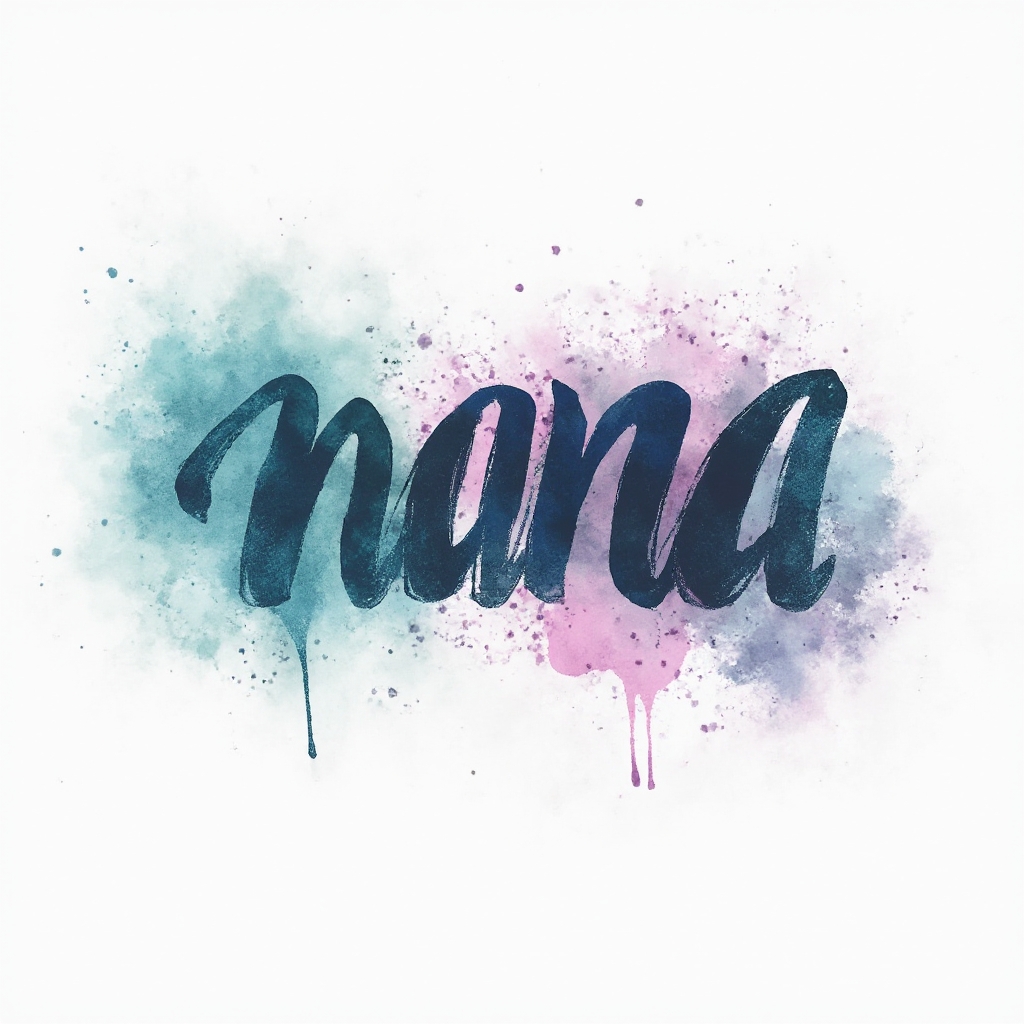
Nana Watercolor Ink Flow Tattoo Concept

Nana Surrealism Dreamscape Lettering Tattoo
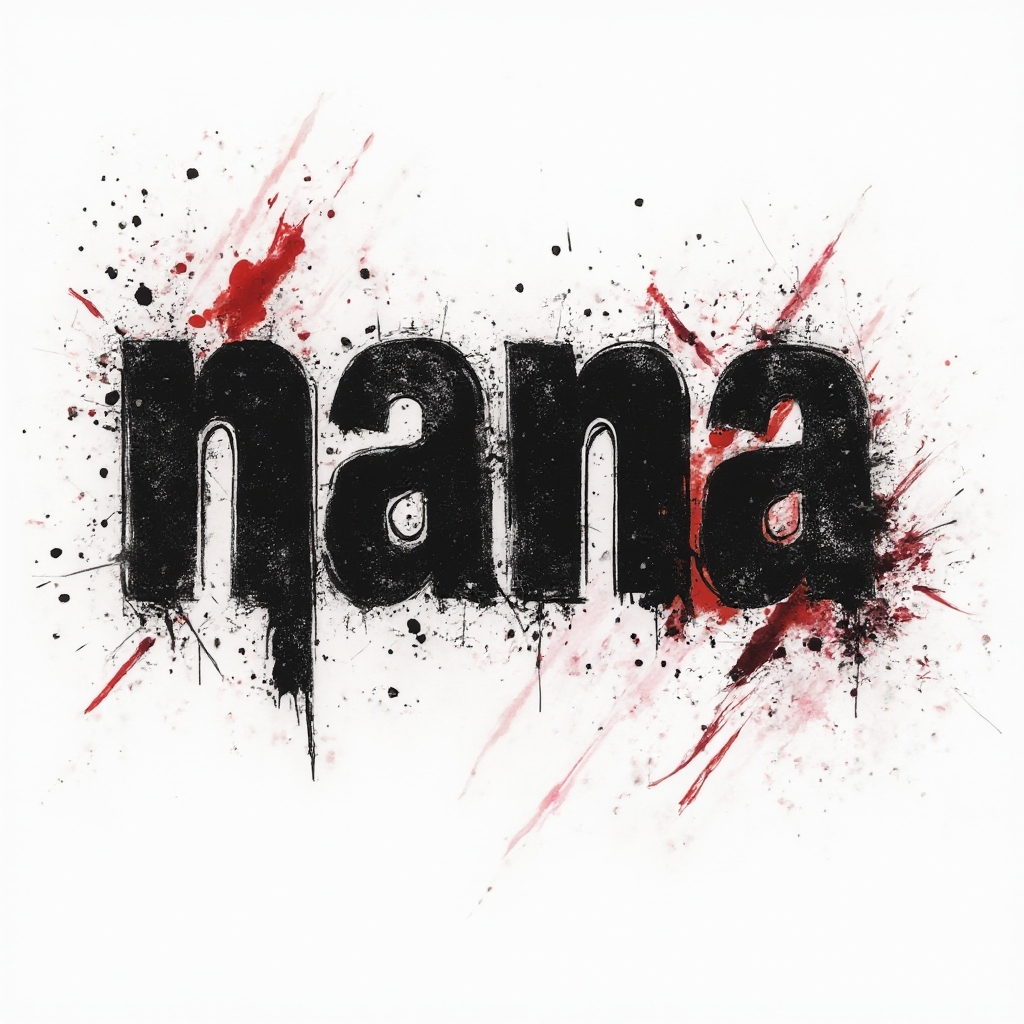
Nana Trash Polka Contrast Lettering Tattoo

Nana AI-Original-Style Abstract Dimensional Lettering Tattoo
Global distribution & gender ratio
Indonesia
21.79% of recorded usage
Female: 83.45% · Male: 16.55%
Malaysia
18.73% of recorded usage
Female: 98.76% · Male: 1.24%
Ghana
10.62% of recorded usage
Female: 21.65% · Male: 78.35%
Brazil
7.94% of recorded usage
Female: 98.13% · Male: 1.88%
Thailand
6.29% of recorded usage
Female: 92.63% · Male: 7.37%
You may also like
Similar names
Nene
A popular name in Japan, often associated with the idea of a beloved sister.Nia
A name of Swahili origin meaning purpose.Nina
Of Spanish origin, meaning little girl or fire.Naomi
A Hebrew name meaning sweet and pleasant.Norah
A name of Irish origin meaning honor.Neha
A popular name in India, signifying love or beauty.Nadia
Derived from Russian, meaning hope.Neneh
Common in African cultures, meaning ancestor or forebear.Nala
From African origin, meaning successful.Nyah
A modern name with purpose or aim meaning.
Frequently asked questions about nana
What is the meaning of the name Nana?
The name Nana conveys meanings such as grace, spring, mother, or grandmother, depending on cultural context.
What is the origin of the name Nana?
Nana has its origins in both African and Japanese cultures, with diverse significance and usage.
What is the gender association for the name Nana?
Nana is a gender-neutral name, used for both males and females around the world.
How popular is the name Nana?
While less common in the US, Nana maintains popularity in Japan and Ghana, with fluctuating global trends.
How is the name Nana used globally?
Nana enjoys global recognition across various cultures, with notable usage differences in countries like Ghana and Japan.
What are common career paths for people named Nana?
Many named Nana pursue careers in creative arts, education, healthcare, business, and social work.
What are characteristic features of people named Nana?
Individuals named Nana are often seen as graceful, nurturing, versatile, creative, and resilient.
What are similar names to Nana?
Similar names include Nene, Nia, Nina, Naomi, Norah, among others, sharing similar phonetic qualities or meanings.
Who are some famous people named Nana?
Well-known figures include Nana Mouskouri, a renowned Greek singer, and Nana Patekar, an Indian actor.