
Meaning of the Name Nasser
Origin of the Name Nasser
Gender Association of the Name Nasser
Popularity of the Name Nasser
Global Usage of the Name Nasser
Characteristic Features of People Named Nasser
Ambitious
Individuals named Nasser often exhibit strong ambition, striving for excellence and overcoming obstacles.
Leadership
This name is associated with leadership qualities, enabling people to inspire others effectively.
Courageous
Known for their bravery, those named Nasser face challenges head-on and with confidence.
Common Career Paths for People Named Nasser
Leadership Roles
Many pursue careers where they can lead, such as managers or directors.
Creative Industry
Due to their innovative nature, Nasser's often thrive in creative fields.
Public Service
Aligning with the attribute of victory, they are drawn to politics and governance.
Unique and Interesting Characteristics of the Name Nasser
Political Influence
Gamal Abdel Nasser's historical leadership brings robust recognition to the name.
Literary Presence
Appearing in various novels and texts, it highlights cultural storytelling.
Media Representation
Featured in films and media, it draws attention for its powerful connotation.
Famous People Named Nasser
- Nasser Hussain: Former English cricketer and captain.
- Gamal Abdel Nasser: Second President of Egypt.
- Nasser Al-Attiyah: Qatari rally driver and Olympic shooter.
- Nasser El Sonbaty: Professional bodybuilder from Germany.
Nasser Artistic Tattoo Concept Collection
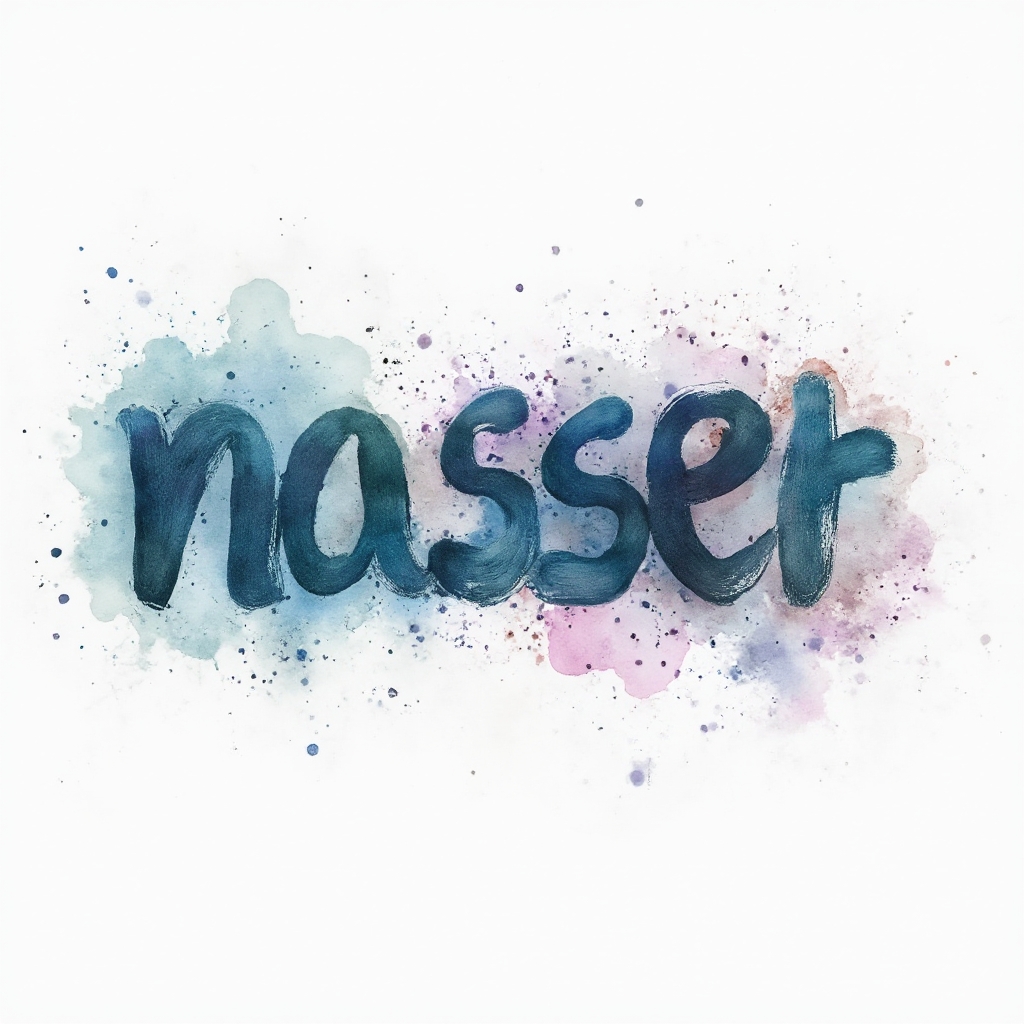
Nasser Watercolor Splash Tattoo Concept
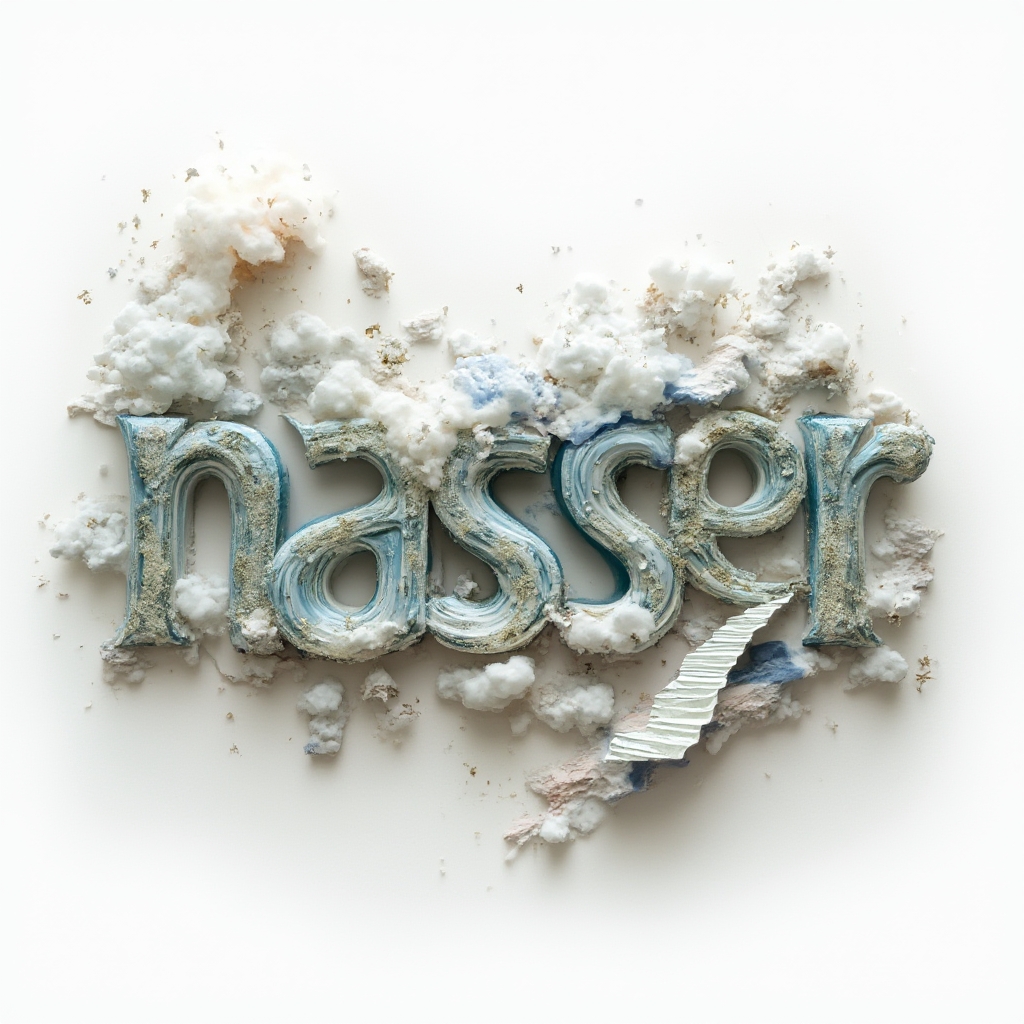
Nasser Surrealism Dreamscape Tattoo Design
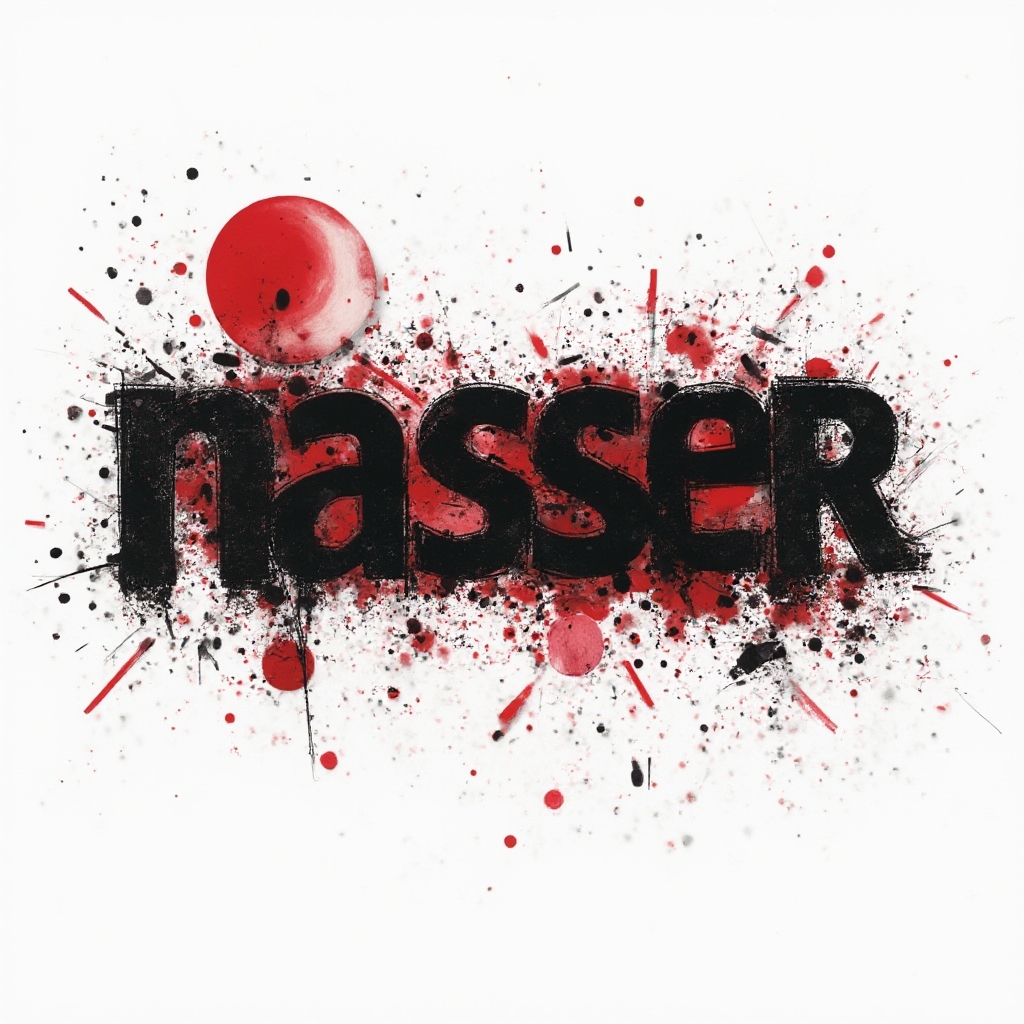
Nasser Trash Polka High-Contrast Tattoo Concept
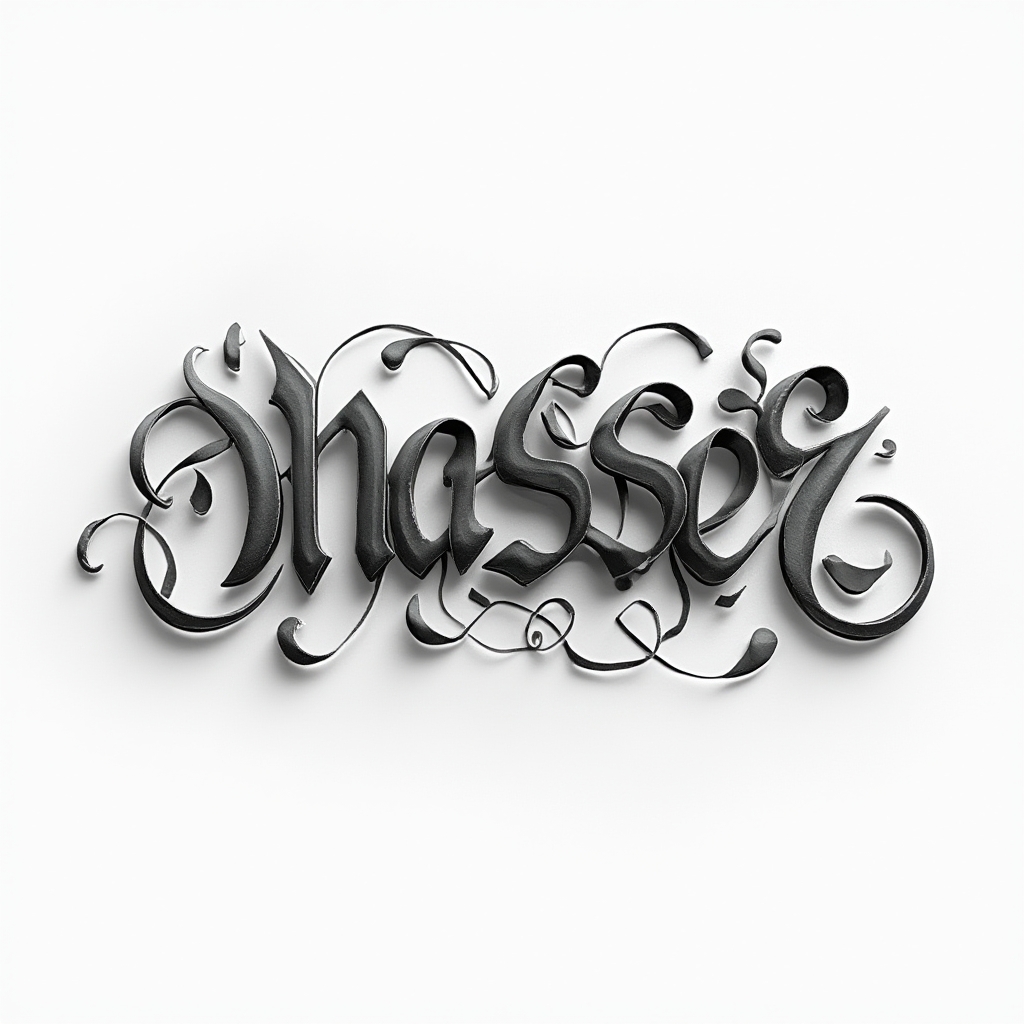
Nasser AI-Original-Style Dimensional Flow Tattoo Design
Global distribution & gender ratio
Saudi Arabia
58.17% of recorded usage
Female: 1.95% · Male: 98.05%
Kuwait
21.67% of recorded usage
Female: 1.84% · Male: 98.16%
United States
3.00% of recorded usage
Female: 1.06% · Male: 98.94%
United Arab Emirates
2.65% of recorded usage
Female: 1.81% · Male: 98.19%
Qatar
2.44% of recorded usage
Female: 2.61% · Male: 97.39%
You may also like
Similar names
Nasir
Protector and supporter, close in phonetics to Nasser.Nasar
Similar sounding, with meanings related to victory.Nazir
Shares roots and often translates to observer or supervisor.Nasr
Another variant, signifying triumph and help.Yasser
Means wealthy or prosperous, and culturally related to Nasser.Bader
Reflects ideas of a full moon and shares cultural settings.Hassan
This name conveys concepts of beauty and excellence.Fahd
Means leopard and shares regional commonality.Sami
Translates to elevated or exalted, linked through meaning.Amir
Signifies a prince or leader, closely connected in relevance.
Frequently asked questions about nasser
What is the meaning of the name Nasser?
The name Nasser translates to victory or triumph, often symbolizing confidence and determination.
What is the origin of the name Nasser?
Nasser originates from Arabic culture, engrained deeply within Middle Eastern traditions.
Is Nasser a gender-neutral name?
Primarily regarded as a male name, Nasser has started transcending gender norms globally.
How popular is the name Nasser?
Nasser remains popular in the Middle East, marking its significance in historical and modern contexts.
Where is the name Nasser commonly used?
Nasser is widely used across North Africa, the Middle East, and select regions in Asia.
What careers do people with the name Nasser often pursue?
They often gravitate towards leadership, creative industries, and public service.
What are some characteristic features of individuals named Nasser?
Individuals named Nasser typically display traits like ambition, leadership, and courage.
Are there any similar names to Nasser?
Related names include Nasir, Nazir, and Yasser, all sharing linguistic or cultural connections.
Who are some famous people named Nasser?
Notable individuals include Nasser Hussain, Gamal Abdel Nasser, and Nasser Al-Attiyah.