
Meaning of the Name Naz
Origin of the Name Naz
Gender Association of the Name Naz
Popularity of the Name Naz
Global Usage of the Name Naz
Characteristic Features of People Named Naz
Elegance
Individuals named Naz tend to carry themselves with grace and a refined demeanor, exuding an aura of sophistication.
Confidence
Typically self-assured, those named Naz often exhibit a calm sense of pride in their actions and decisions.
Charm
Known for their enchanting presence, people named Naz often have a way with words and interactions, winning over the hearts of those around them.
Empathy
With an intuitive understanding of others’ feelings, individuals with this name often demonstrate care and concern in relationships.
Creativity
A strong inclination towards artistic and creative pursuits marks those named Naz, encouraging them to explore new ideas.
Common Career Paths for People Named Naz
Art and Design
Individuals named Naz frequently gravitate towards careers where they can express their creativity, such as painting, fashion, or graphic design.
Communication
With their charming persona, many Nazs excel in fields like public relations, marketing, or journalism.
Education
The empathy aspect can guide many towards teaching or counseling, where they can positively impact others’ lives.
Enterpreneurship
Many Nazs pursue entrepreneurial ventures, leveraging their confidence to initiate and lead projects successfully.
Performing Arts
Acting, dance, and music are popular choices, allowing Nazs to utilize their imaginative strengths and express themselves.
Unique and Interesting Characteristics of the Name Naz
Cultural Representation
The name Naz appears in numerous Persian poems and songs, celebrating its historical and cultural significance.
Media Influence
In Turkish media, the name has been used for characters symbolizing grace and wisdom, enhancing its popularity.
Public Figures
Many public figures named Naz contribute to arts and politics, showcasing their dynamic influence in society.
Literature
In literary works, characters named Naz often embody beauty and charm, reflecting the name’s universal themes.
Historical Roots
Historically, the name has been used in royal Persian families, imbuing it with a noble lineage.
Famous People Named Naz
- Naz Osmanoglu: British comedian and member of the Ottoman imperial family.
- Naz Aydemir: Renowned Turkish volleyball player known for her skills on the court.
Naz Artistic Tattoo Concepts Collection
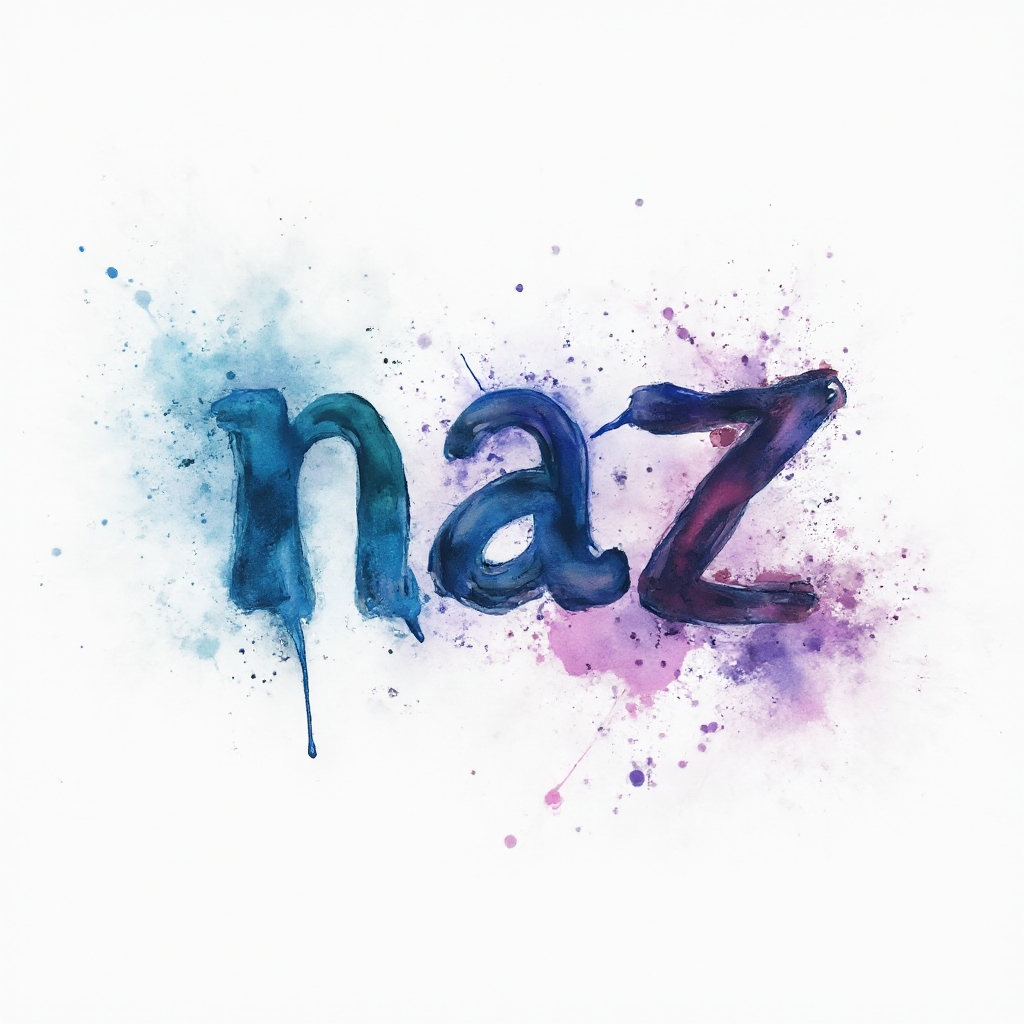
Naz Watercolor Splash Tattoo Concept

Naz Surrealism Dreamscape Tattoo Design
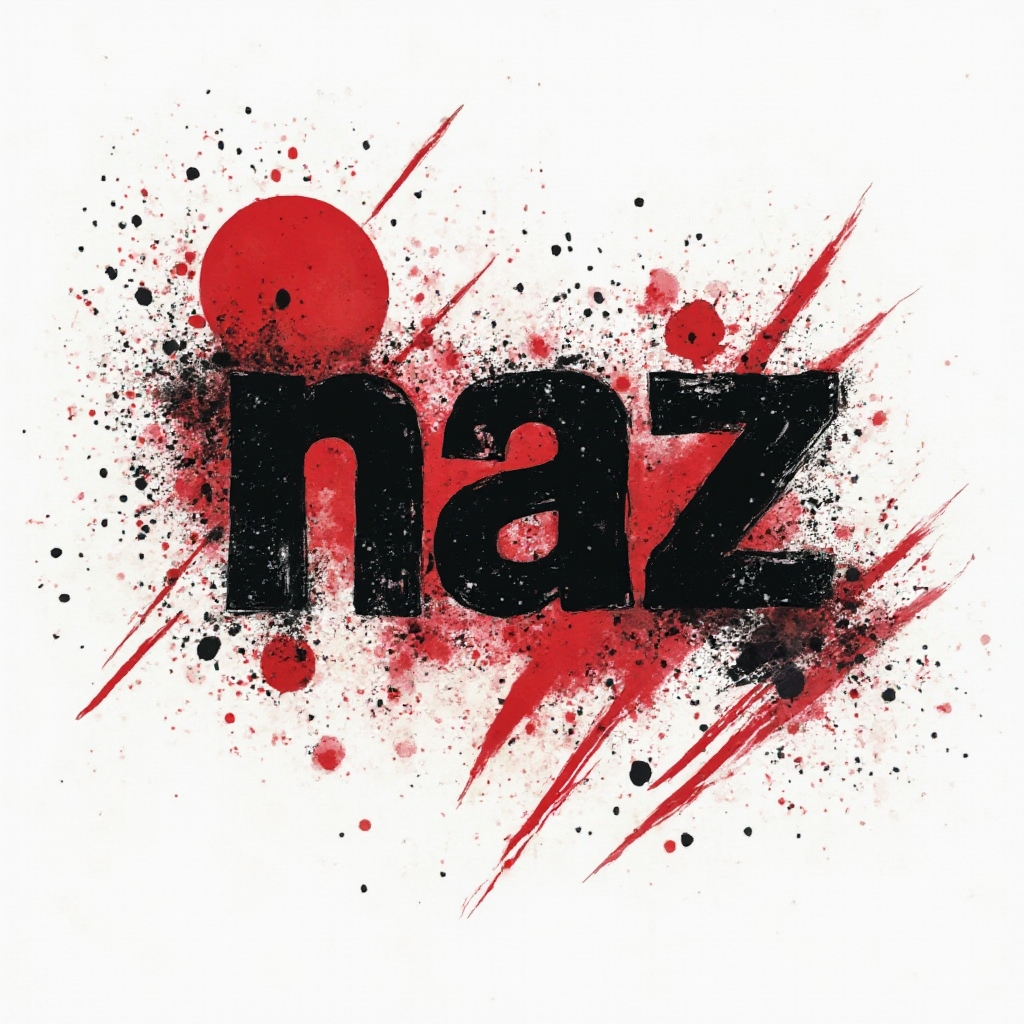
Naz Trash Polka Contrast Tattoo Concept
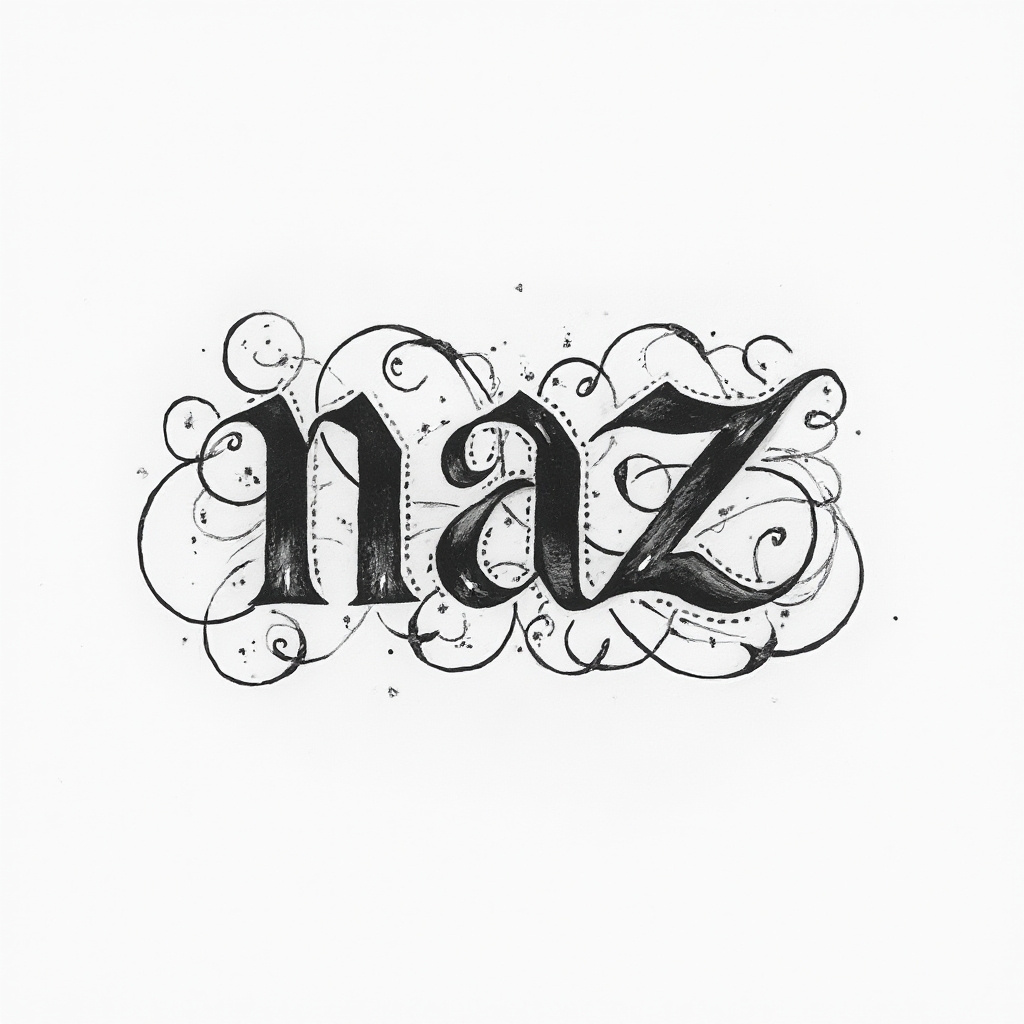
Naz AI-Original-Style Ink Flow Tattoo Concept
Global distribution & gender ratio
Türkiye
89.07% of recorded usage
Female: 98.16% · Male: 1.84%
Malaysia
3.25% of recorded usage
Female: 26.19% · Male: 73.81%
Iran
1.34% of recorded usage
Female: 97.12% · Male: 2.88%
United States
1.06% of recorded usage
Female: 70.00% · Male: 30.00%
Saudi Arabia
0.84% of recorded usage
Female: 33.33% · Male: 66.67%
You may also like
Similar names
Nazan
Derived from a Persian origin, meaning charming or graceful. Often associated with beauty and allure.Nazia
With roots in Persian culture, Nazia means pride and is used to evoke a sense of self-respect and dignity.Nazar
A closely linked name with Arabic origins, meaning vision or sight, symbolizing perception and insight.Nazira
This name finds its roots in Arabic culture, meaning spectator or observer.Nazgul
A name derived from Persian, combining delight and flower, symbolizing beauty and joy.Nazim
Of Persian origin, Nazim means organizer or manager, often indicating leadership qualities.Nazli
A Turkish name meaning coquettish or alluring, capturing a sense of playful attractiveness.Nazneen
This name is of Persian origin, meaning delicate or gentle beauty.Nastaran
Persian in origin, it refers to a type of rose, evoking elegance and beauty.Naseem
An Arabic name meaning fresh air or breeze, symbolizing calmness and peace.
Frequently asked questions about naz
What is the meaning of the name Naz?
The name Naz means charm, delicacy, and grace. It reflects refinement and elegance.
What is the origin of the name Naz?
Naz originates from the Persian language and represents charm and beauty, with a rich cultural heritage.
Is the name Naz gender-neutral?
Yes, Naz is widely recognized as gender-neutral and is used for both males and females in various cultures.
How popular is the name Naz?
Naz enjoys moderate popularity, especially in regions like Iran and Turkey, and remains culturally significant.
How is the name Naz used globally?
Naz has global usage, particularly in the Middle East and South Asia, with variations in pronunciation across cultures.
What are common careers for people named Naz?
People named Naz often pursue careers in art, communications, education, entrepreneurship, and the performing arts.
Are there similar names to Naz?
Similar names include Nazan, Nazia, Nazar, Nazira, and Nazgul, among others, with varied meanings.
Can you name some famous people with the name Naz?
Famous people include Naz Osmanoglu, a British comedian, and Naz Aydemir, a Turkish volleyball player.