
Meaning of the Name Olga
Origin of the Name Olga
Gender Association of the Name Olga
Popularity of the Name Olga
Global Usage of the Name Olga
Characteristic Features of People Named Olga
Strong Leadership
Olgas often exhibit robust leadership qualities, guiding teams with confidence and vision. Their decisiveness is admired.
Empathetic
Known for their empathy, individuals with this name connect deeply with others, offering support and understanding.
Resilient
With strong resilience, Olgas face challenges head-on, turning obstacles into opportunities for growth.
Traditional
Embracing tradition, Olgas often have a profound respect for heritage and cultural practices.
Intelligent
Recognized for their intellect, they excel in academic and professional settings, contributing innovative ideas.
Elegant
Carrying a sophisticated charm, Olgas leave a lasting impression, often admired for their grace and poise.
Common Career Paths for People Named Olga
Leadership Roles
Many Olgas thrive in leadership positions, from business executives to project managers, showcasing their strategic acumen.
Humanitarian Fields
With a strong empathy drive, they excel in roles like social work and counseling, where they can aid those in need.
Creative Sectors
Olgas often gravitate towards creative professions, such as artists, writers, and designers, where they express their creative spirits.
Academic Careers
Excelling in education, Olgas are often found as professors or researchers, contributing significantly to knowledge fields.
Healthcare
Driven by a desire to help, many Olgas pursue healthcare careers, offering compassionate care and medical expertise.
Public Service
Those named Olga often feel drawn to public service positions, working within governments or NGOs to effect change.
Unique and Interesting Characteristics of the Name Olga
Historic Saint
Saint Olga of Kiev is a notable figure in history, known for her role in the spread of Christianity in Eastern Europe.
Symbol of Strength
Throughout literature and history, Olga often represents courage, resilience, and a fighting spirit.
Pop Culture Representation
The name has appeared in various films and books, often depicting a character of depth and complexity.
Royal Connections
The name has a royal feel, associated historically with nobility and majesty.
Linguistic Variations
While primarily Slavic, Olga has variations in pronunciation across languages, showing its cultural adaptability.
Rich Ancestry
The name carries ancestral significance, often passed down through generations in Eastern European families.
Famous People Named Olga
- Olga Kurylenko: Ukrainian-French actress and model known for her role in the James Bond film, Quantum of Solace.
- Olga Tokarczuk: Polish author and 2018 Nobel Prize in Literature laureate.
- Olga Korbut: Renowned Belarusian gymnast, a four-time Olympic gold medalist.
- Olga Tañón: Puerto Rican singer known for her contributions to Merengue and Latin Pop.
Olga Artistic Tattoo Design Collection
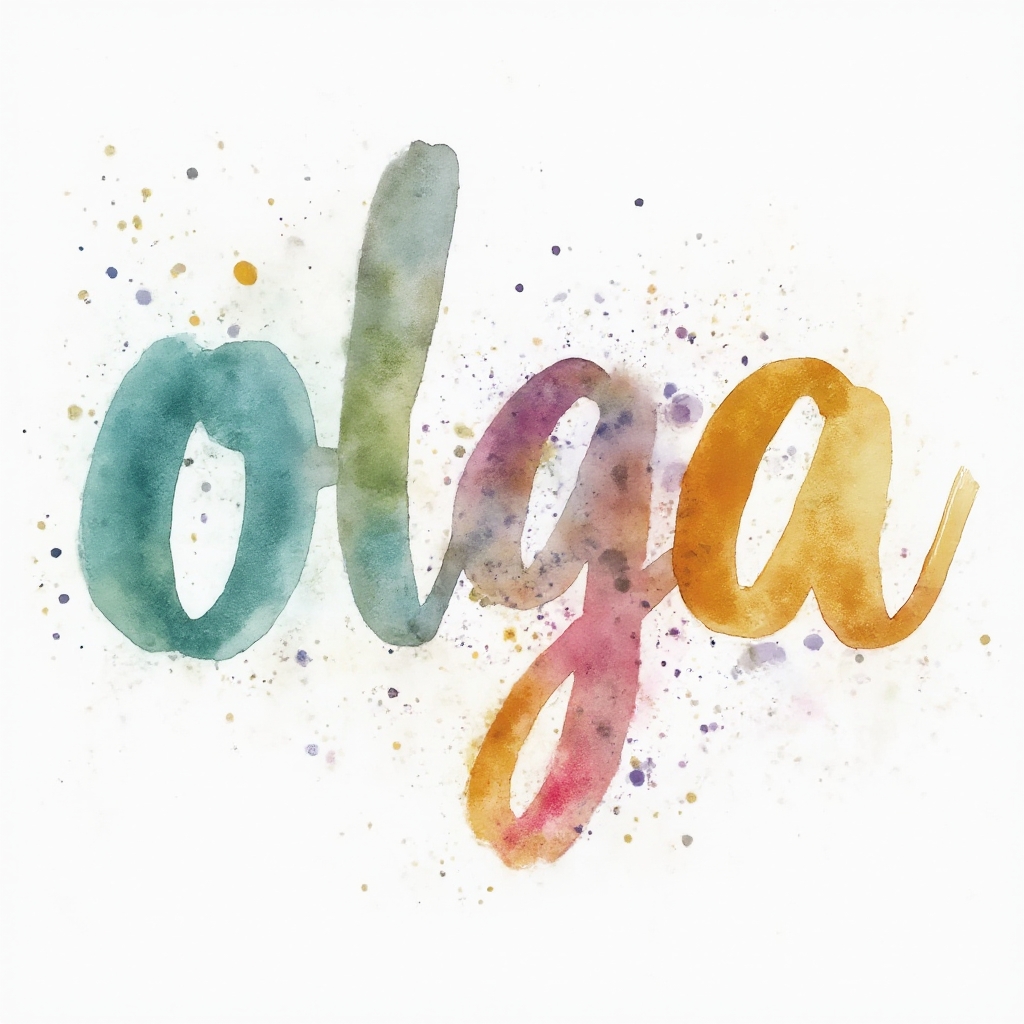
Olga Watercolor Name Tattoo Concept

Olga Surrealism Name Tattoo Artwork
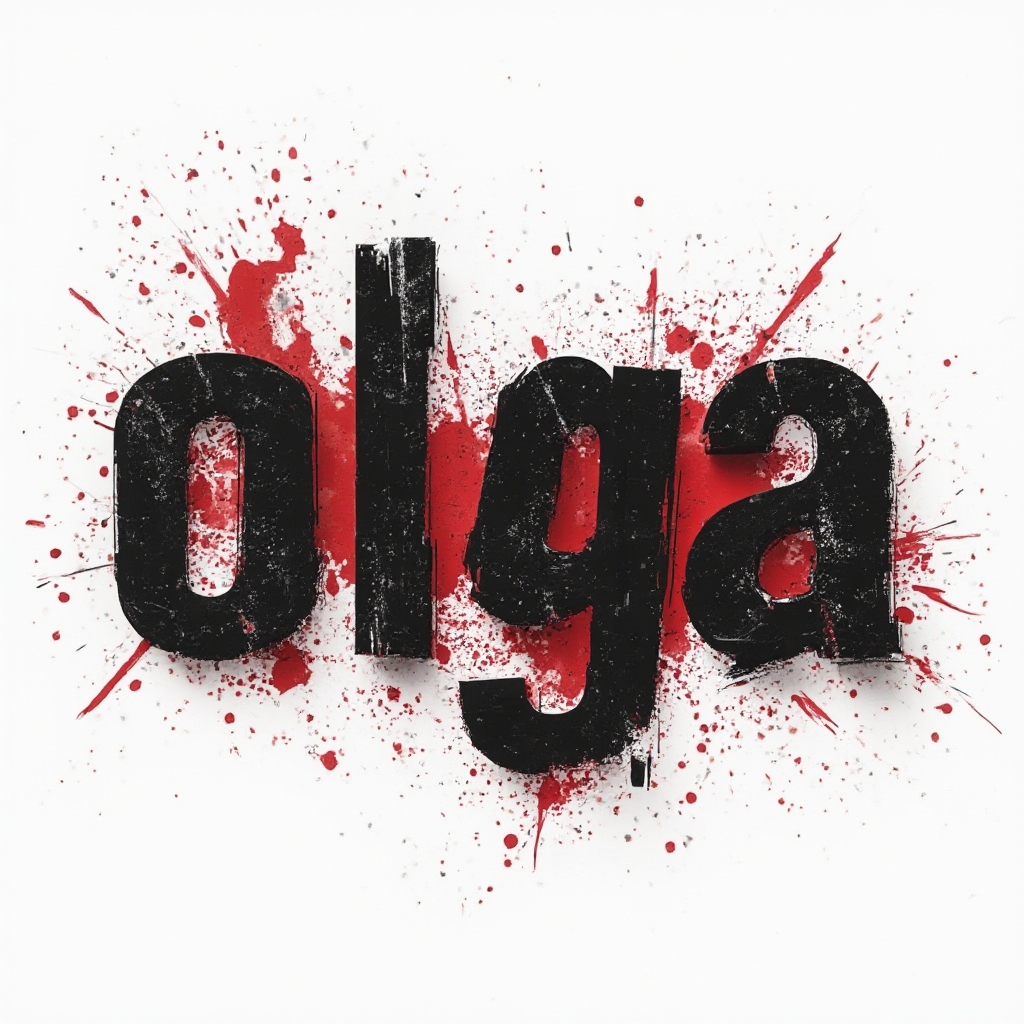
Olga Trash Polka Graphic Tattoo Concept
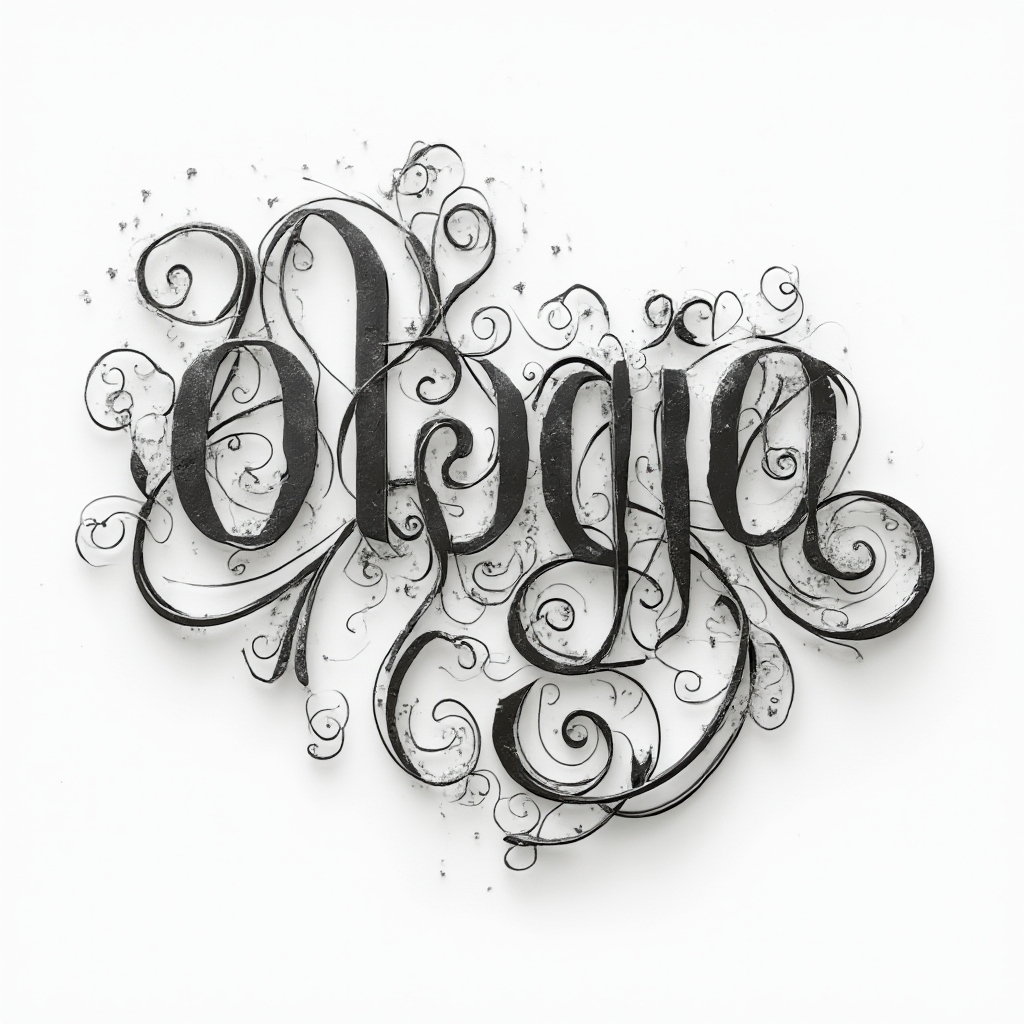
Olga AI-Original-Style Abstract Name Tattoo
Global distribution & gender ratio
Russia
46.03% of recorded usage
Female: 99.67% · Male: 0.33%
Ukraine
14.71% of recorded usage
Female: 99.68% · Male: 0.32%
United States
5.13% of recorded usage
Female: 99.49% · Male: 0.51%
Mexico
2.96% of recorded usage
Female: 100.00% · Male: 0.00%
Türkiye
2.87% of recorded usage
Female: 85.43% · Male: 14.57%
You may also like
Similar names
Helga
Helga has similar Scandinavian roots and shares meanings linked to being holy or blessed.Olesya
Olesya is of Slavic origin, often connoting charm and elegance, much like Olga.Oksana
Oksana is a popular Eastern European name, meaning "praise be given" or linked to hospitality.Alina
Alina, often associated with bright or beautiful, shares a tenderness similar to Olga.Svetlana
A common Russian name, Svetlana means "light" or "holy" and pairs well phonetically with Olga.Natalia
Derived from the Latin "natale", meaning "birthday", often referred to Christ's birthday.Irina
With a meaning akin to "peace", Irina represents a calm elegance similar to Olga.Tatiana
A regal, noble name often linked with beauty and grace.Anastasia
Associates with resurrection, offering a grand and classical appeal.Yuliya
Similar to Julia, it carries meanings tied to youth and youthful spirit.
Frequently asked questions about olga
What is the meaning of the name Olga?
Olga is associated with meanings such as 'holy', 'blessed', and 'noble'.
Where does the name Olga originate from?
The name Olga has roots in Russia and is derived from the Old Norse name Helga.
Is the name Olga used for males and females?
Olga is predominantly a female name.
How popular is the name Olga?
Olga remains a popular name in Eastern Europe, although its global popularity has fluctuated.
How is the name Olga used globally?
Olga is used mainly in European countries with variations in pronunciation depending on the region.
What are common careers for people named Olga?
Careers in leadership, creative sectors, and humanitarian fields are common paths for people named Olga.
What are the characteristic features of people named Olga?
People named Olga are often viewed as strong leaders, empathetic, resilient, and intelligent.
What are some similar names to Olga?
Similar names include Helga, Olesya, Oksana, Alina, and Svetlana.
Who are some famous people named Olga?
Famous Olgas include actress Olga Kurylenko and Nobel laureate Olga Tokarczuk.