
Meaning of the Name Olive
Origin and History of Olive
Gender of the Name Olive
Popularity of the Name Olive
Global Usage and Pronunciation of Olive
Personality Traits Associated With Olive
Peaceful
Often seen as calm and diplomatic, bringing harmony to social circles.
Nurturing
Has a caring, supportive nature and looks after others thoughtfully.
Creative
Drawn to art, music, or writing, with a rich inner imagination.
Grounded
Connected to nature and practicality, with steady values.
Optimistic
Tends to see possibility and hope, even in challenging situations.
Careers and Professional Tendencies for Olive
Artist or Designer
Excels in visual creativity, crafting beautiful and meaningful work.
Writer or Editor
Skilled with words, storytelling, and thoughtful communication.
Teacher or Educator
Naturally patient and encouraging, enjoys helping others grow.
Counselor or Therapist
A good listener who provides calm, empathetic support.
Environmental or Nonprofit Worker
Drawn to causes that promote peace, nature, or community well-being.
Unique and Interesting Facts About the Name Olive
Botanical Heritage
Olive belongs to the family of nature and plant names that have become stylish again.
Vintage Revival
Once popular in the early 1900s, it has returned with the resurgence of old-fashioned names.
Symbol of Peace
The olive branch has long represented peace, giving the name a gentle, hopeful tone.
Literary Presence
Authors have used Olive for memorable characters in classic and modern works.
Famous People Named Olive
- Olive Thomas: American silent film actress and early Hollywood star.
- Olive Schreiner: South African writer and feminist intellectual.
- Olive Oatman: 19th-century American woman known for her dramatic life story on the frontier.
- Olive Borden: American film actress of the silent era.
- Olive Ann Burns: American author best known for the novel "Cold Sassy Tree."
How to Pronounce Olive in Latin and English
/ˈɒl.ɪv/ (UK), /ˈɑː.lɪv/ (US) — Olive
- /ˈɒl/ or /ˈɑːl/: stressed first syllable, like "ol" in "olive" or "ahl" in American English.
- /ɪv/: short "iv" sound, as in "give" without the "g".
AH-liv
Tattoo Design Ideas Featuring the Name Olive
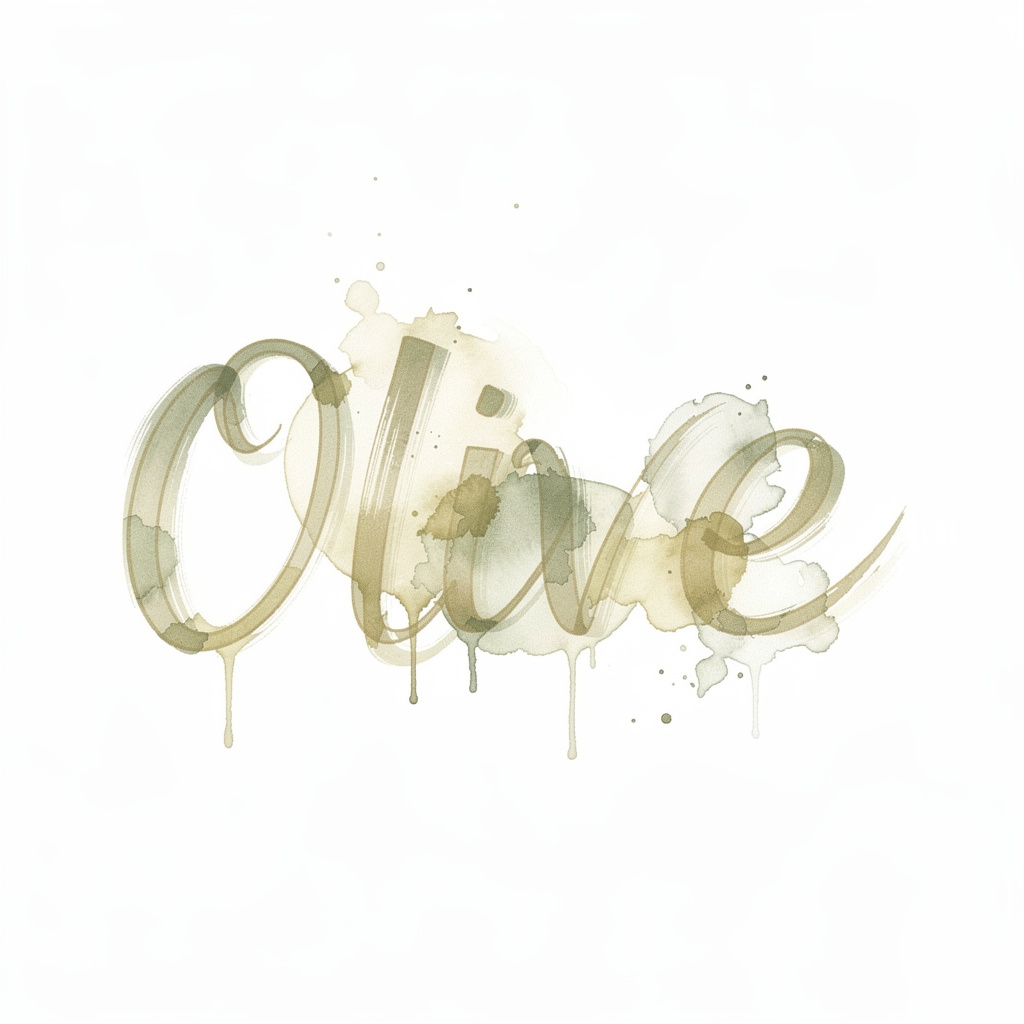
Watercolor Olive Name Tattoo Design
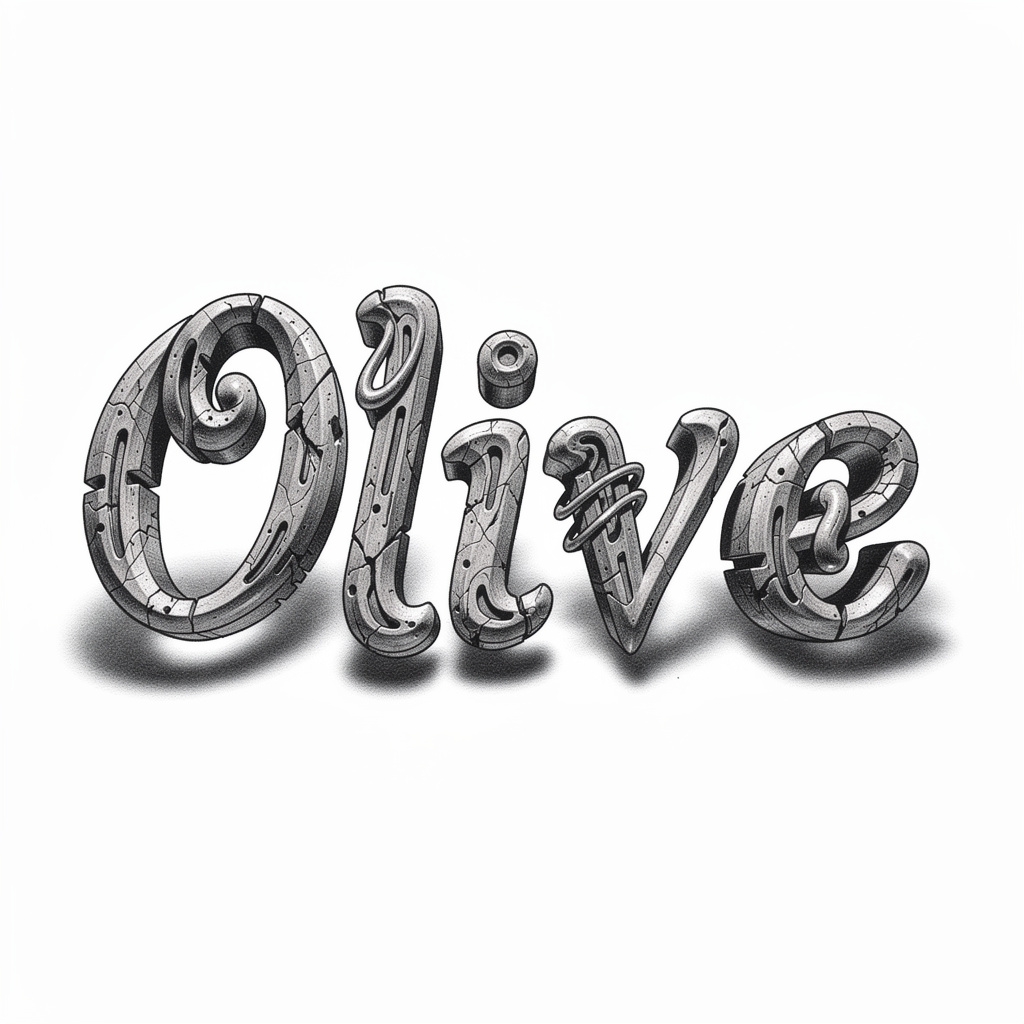
Surrealist Olive Name Tattoo Design
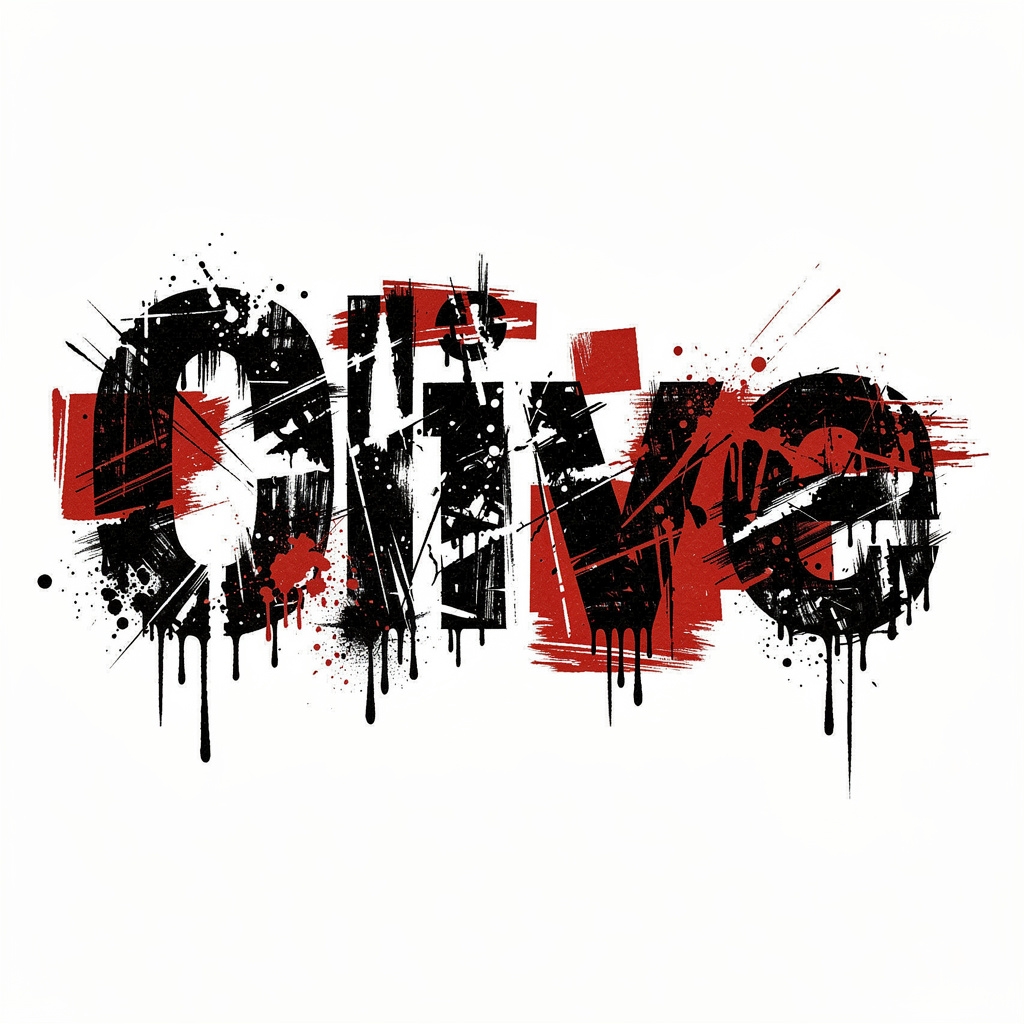
Trash Polka Olive Name Tattoo Design

Luminara-Fusion Olive Name Tattoo Design
Global distribution & gender ratio
Indonesia
24.54% of recorded usage
Female: 98.48% · Male: 1.52%
Philippines
17.29% of recorded usage
Female: 97.85% · Male: 2.15%
United States
15.24% of recorded usage
Female: 85.37% · Male: 14.63%
Thailand
9.67% of recorded usage
Female: 92.31% · Male: 7.69%
Malaysia
3.90% of recorded usage
Female: 90.48% · Male: 9.52%
You may also like
Similar names
Olivia
Related to the olive tree and often interpreted as peace and fruitfulness.Olivette
A French-influenced diminutive with ties to the olive tree and peace.Olivea
A variant linked to the olive tree, echoing peace and prosperity.Liv
Often derived from Scandinavian roots meaning life or connected to Olivia and its olive symbolism.Livia
Latin-influenced name associated with life and sometimes with the olive tree.Olivine
Gemstone name related to the mineral peridot, evoking freshness and vitality.Hazel
Nature name tied to the hazel tree and nut, symbolizing wisdom and protection.Ivy
Botanical name linked to the climbing plant, symbolizing fidelity and endurance.Pearl
Nature and gem name associated with purity and wisdom.Flora
From Latin for "flower," representing blossoming and natural beauty.
Frequently asked questions about olive
What does the name Olive mean?
Olive is a nature-inspired name derived from the olive tree, long associated with peace, harmony, prosperity, and new beginnings.
What is the origin of the name Olive?
Olive comes from the Latin word 'oliva', meaning olive tree or olive fruit, and became popular as a given name in English-speaking countries in the 19th century.
Is Olive a girl name or a unisex name?
Olive is traditionally used as a girl name, though some parents now choose it as a gentle, nature-inspired unisex option.
How popular is the name Olive?
Olive has risen in popularity in recent years, especially in English-speaking countries, often ranking within the top 200 baby names for girls in the United States, United Kingdom, and Australia.
How do you pronounce Olive?
Olive is generally pronounced AH-liv, with the stress on the first syllable.