
Meaning of the Name Rana
Origin of the Name Rana
Gender Association of the Name Rana
Popularity of the Name Rana
Global Usage of the Name Rana
Characteristic Features of People Named Rana
Leadership
Often seen in leadership roles, individuals named Rana exude authority and confidence.
Charisma
They typically have a magnetic personality, easily attracting people and making friends.
Resilience
Known for their strong character, they can overcome adversities with grace and strength.
Common Career Paths for People Named Rana
Leadership Roles
Ranas are often drawn to leadership positions in business, politics, or community organizations.
Creative Fields
Many are found in artistic professions such as music, writing, or visual arts.
Social Services
A strong sense of justice and determination often leads them to roles in social work or advocacy.
Unique and Interesting Characteristics of the Name Rana
Royal Heritage
In history, the title 'Rana' was used for royalty in the Indian subcontinent, reflecting noble distinction.
Pop Culture Presence
The name has appeared in films and books, adding a touch of visual mystique and allure.
Mythological Connection
In various mythologies, individuals named Rana are associated with gods and goddesses, highlighting its ancient roots.
Famous People Named Rana
- Rana Daggubati: Indian actor and producer known for his work in the Telugu and Hindi film industries.
- Rana Mansour: Iranian American singer-songwriter known for her soulful music.
- Rana Bahadur Shah: King of Nepal from the Shah dynasty.
Rana Artistic Name Tattoo Design Collection

Rana Watercolor Ink Splash Tattoo Concept

Rana Surrealism Dreamform Tattoo Design

Rana Trash Polka High-Contrast Tattoo Concept
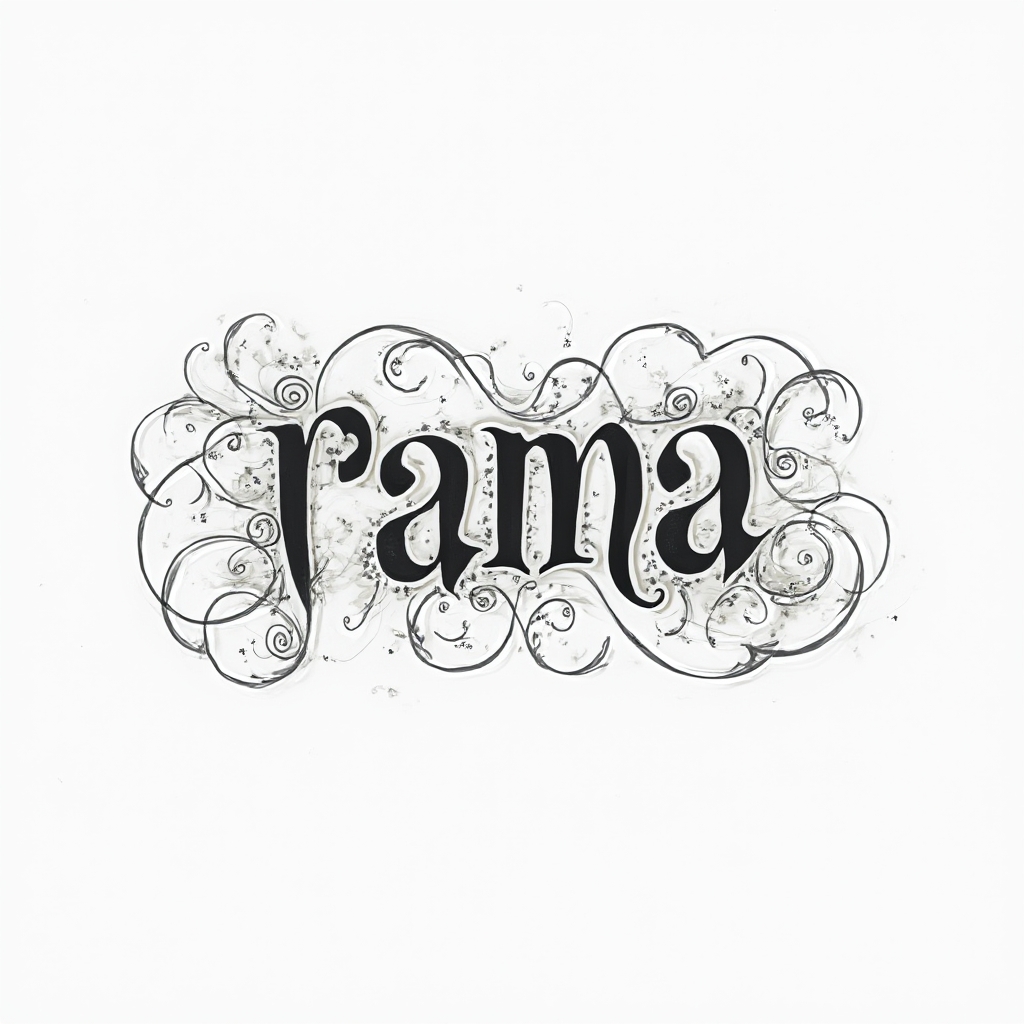
Rana AI-Original-Style Abstract Flow Tattoo
Global distribution & gender ratio
Türkiye
54.32% of recorded usage
Female: 98.39% · Male: 1.61%
Saudi Arabia
19.14% of recorded usage
Female: 96.63% · Male: 3.37%
Egypt
3.84% of recorded usage
Female: 100.00% · Male: 0.00%
Iran
2.98% of recorded usage
Female: 96.39% · Male: 3.61%
Indonesia
2.72% of recorded usage
Female: 69.49% · Male: 30.51%
You may also like
Similar names
Reena
Reena is commonly found in Indian culture and means gem or melted gold.Raina
Raina carries meanings like queen and is popular in European regions.Rani
In Sanskrit, Rani means queen, emphasizing elegance and grace.Rania
Rania is attractive in Arabic-speaking regions with a meaning of queen or gazing.Rianna
Known in Western cultures, Rianna means great queen or goddess.Rayna
In Slavic languages, Rayna connotes queen and carries a royal mystique.Rina
Rina can mean gem or joy and is used across various cultures.Rhea
Rhea is found in Greek mythology, meaning flowing or earth.Rosa
Meaning rose in Latin, it carries floral beauty and femininity.Rona
Rona means mighty counselor in Scottish history, drawing strength and wisdom.
Frequently asked questions about rana
What is the meaning of the name Rana?
The name Rana is associated with royalty and nobility, denoting a queen or a leader in various cultural contexts.
What is the origin of the name Rana?
Rana originates from Arabic and Indian cultures, where it is often linked to leadership and royalty.
Is the name Rana gender-neutral?
Yes, Rana is commonly used as a gender-neutral name, suitable for both males and females.
How popular is the name Rana?
The name Rana holds moderate popularity, especially in the Middle East and South Asia regions.
How is the name Rana used globally?
Globally, the name Rana is recognized in Arabic and South Asian cultures, often associated with nobility.
What are common career paths for people named Rana?
Individuals named Rana often pursue careers in leadership, creative industries, and social services.
What are some characteristic features of people named Rana?
People named Rana are typically seen as charismatic, resilient, and natural leaders.
What are similar names to Rana?
Similar names include Reena, Raina, Rani, Rania, Rianna, Rayna, Rina, Rhea, Rosa, and Rona.
Who are some famous people named Rana?
Famous individuals named Rana include Rana Daggubati, Rana Mansour, and Rana Bahadur Shah.