
Meaning of the Name Rin
Cultural and Historical Origin of Rin
Gender of the Name Rin
Popularity of Rin by Country and Over Time
Global Usage and Pronunciation of Rin
Personality Traits Associated with Rin
Independent
Often seen as self-reliant and confident in their choices.
Creative
Tends to have a vivid imagination and artistic flair.
Calm
Gives off a composed, collected presence even under pressure.
Perceptive
Quickly understands people and situations at a deeper level.
Elegant
Carries a quiet sophistication in style and behavior.
Career Paths and Professional Orientation for Rin
Designer
Excels in graphic, fashion, or product design with a minimalist sensibility.
Writer
Brings reflective and imaginative ideas into stories or essays.
Researcher
Suits analytical work in science, tech, or social fields.
Performer
May be drawn to music, dance, or acting with emotional nuance.
Entrepreneur
Combines independence and vision to build new ventures.
Unique and Interesting Facts About Rin
Anime and Manga Presence
Frequently appears as a character name in Japanese media, boosting global awareness.
Flexible Kanji
In Japanese, different kanji let parents choose specific nuances like “dignity” or “cold purity.”
Short and Global
Its single-syllable sound makes it easy to pronounce in many languages.
Unisex Trend
Fits perfectly into the modern trend of gender-neutral baby names.
Famous People Named Rin
- Rin Tin Tin: Iconic German Shepherd dog actor featured in early American films and television.
- Rin Honoka: Japanese actress and model known for roles in TV dramas.
- Rin Kurusu: Japanese voice actress active in anime and game projects.
- Rin Usami: Japanese novelist recognized for award-winning contemporary fiction.
How to Pronounce Rin in Japanese and Other Languages
/ɾin/ — りん / リン
- /ɾ/: A light flap sound, similar to a quick blend of English r and l.
- /i/: A short “ee” vowel as in “machine,” but quicker.
- /n/: A simple n sound produced with the tongue touching behind the upper teeth.
RIN (rhymes with “pin” or “fin”)
Tattoo Design Ideas for the Name Rin
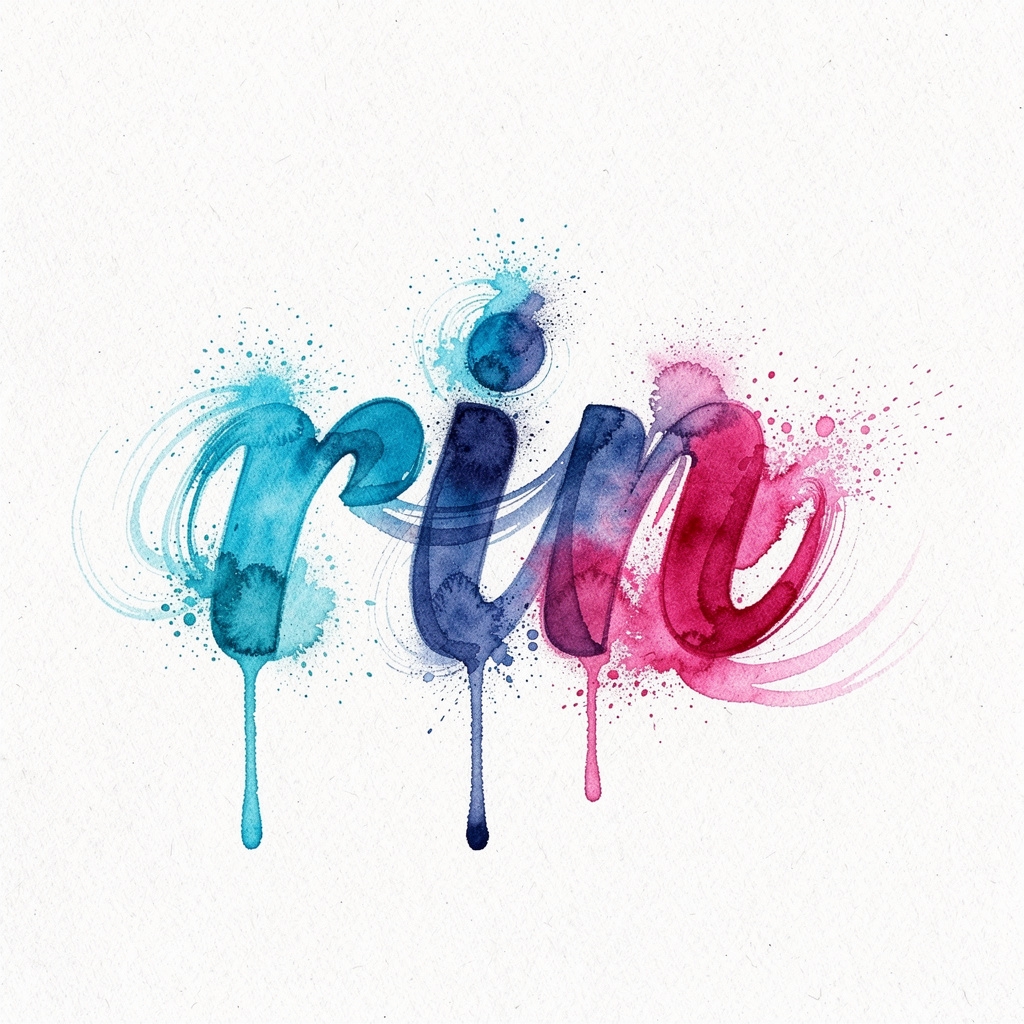
Watercolor Rin Tattoo Design

Surrealism Rin Tattoo Design

Trash Polka Rin Tattoo Design

NeoLume Script – AI-Original-Style Rin Tattoo Design
Global distribution & gender ratio
Thailand
22.12% of recorded usage
Female: 79.34% · Male: 20.66%
Indonesia
17.92% of recorded usage
Female: 92.86% · Male: 7.14%
Japan
12.80% of recorded usage
Female: 54.29% · Male: 45.71%
United States
12.61% of recorded usage
Female: 84.06% · Male: 15.94%
Malaysia
8.96% of recorded usage
Female: 77.55% · Male: 22.45%
You may also like
Similar names
Lin
Related short name found in East Asian and Western cultures, often linked to meanings like “forest” or “fine jade”.Rina
A longer variant that can carry meanings such as “jasmine”, “song”, or “joyful” depending on origin.Ren
Another Japanese-style name with meanings like “lotus”, “love”, or “benevolence”.Ria
Short, melodic name associated with meanings such as “river” or “small stream”.Rinley
Modern invented-sounding name, often interpreted with nature or “meadow”-related meanings.Rynn
Stylized spelling that preserves the sound while feeling modern and unique; meanings vary but can echo “pure” or “clean”.Wren
English bird name linked to the small songbird, symbolizing “freedom” and “creativity”.Quinn
Irish-derived unisex name associated with “wisdom” or “chief”.Riko
Japanese given name often built from kanji suggesting “jasmine child” or “truth child”.Rinako
Longer Japanese feminine form that may incorporate elements meaning “dignified child” or “companion child”.
Frequently asked questions about rin
What does the name Rin mean?
Rin is a short name with several meanings depending on language and kanji, commonly including ideas like dignity, cold purity, ethics, or companion, and sometimes pure or grace as a short form of other names.
What is the origin of the name Rin?
The origin of the name Rin is primarily Japanese, where it is written with various kanji. It also appears as a phonetic variant or short form in Chinese, Irish, and English contexts.
Is Rin a boy or girl name?
Rin is widely used as a gender-neutral name. In Japan it is often given to girls but can also be used for boys, and in many Western countries it is chosen as a unisex option.
How do you pronounce Rin?
Rin is typically pronounced as one syllable, rhyming with 'pin' or 'fin'. In Japanese it is closer to /ɾin/, using a light flap sound between r and l.
Is the name Rin popular?
Rin is moderately popular in Japan, where it has appeared in baby name rankings, especially for girls. In English-speaking countries it is still rare but has been rising in visibility through anime, manga, and pop culture.
What names are similar to Rin?
Similar names to Rin include Lin, Rina, Ren, Ria, Rinley, Rynn, Wren, Quinn, Riko, and Rinako, which share comparable sounds, origins, or meanings.