
Meaning of the Name Rolf
Origin and History of Rolf
Gender Use of the Name Rolf
Popularity of Rolf
Global Usage and Pronunciation of Rolf
Personality Traits Associated with Rolf
Leadership
Often seen as confident and capable, someone named Rolf may naturally step into guiding roles.
Loyalty
Strong commitment to friends, family, and causes is commonly linked with this name.
Courage
The "wolf" association suggests bravery and willingness to face challenges directly.
Reliability
Rolf is frequently perceived as steady, trustworthy, and dependable in difficult times.
Pragmatism
A practical, solution-focused mindset is another trait sometimes attributed to this name.
Career Paths Suited to the Name Rolf
Engineer
Known for structure and logic, Rolf may fit well in technical and engineering roles.
Leader or Manager
With associations of strength and guidance, leadership positions can suit this name.
Military or Security Professional
The historical "wolf" symbolism aligns with protective, disciplined careers.
Entrepreneur
Independence and decisiveness linked to the name can translate into business ownership.
Researcher or Academic
A thoughtful, analytical side can thrive in science, history, or cultural studies.
Unique and Interesting Facts About Rolf
Ancient Germanic Roots
Rolf is directly tied to early Germanic and Norse warrior culture.
Connection to Hrolfr
It descends from names like Hrolfr and Rudolph, sharing the "famous wolf" idea.
Literary and Saga Appearances
Variants of the name appear in medieval sagas and historical chronicles.
Classic Yet Uncommon
In many countries, Rolf is now rare for babies, giving it a distinctive vintage charm.
Cross-European Recognition
Despite regional variations, the name is recognizable in much of Europe.
Famous People Named Rolf
- Rolf Harris: Australian entertainer, musician, and television personality (noting later controversy).
- Rolf Benirschke: American former NFL placekicker and television host.
- Rolf Lassgård: Swedish actor known for film and television roles, including Nordic crime dramas.
- Rolf Dobelli: Swiss author and entrepreneur, known for books on clear thinking and decision-making.
- Rolf Zuckowski: German songwriter and singer, especially famous for children’s music.
How to Pronounce Rolf in Old Norse / Old High German and Modern Languages
/rɒlf/ or /ʀɔlf/ — Hrolfr / Hrodwulf
- /r/: Rolled or tapped "r" sound, depending on language.
- /ɒ/: Short "o" as in British "lot" or a slightly open back vowel.
- /l/: Clear "l" sound, tongue touching the ridge behind the upper teeth.
- /f/: Soft "f" sound, made with the lower lip and upper teeth.
ROLF (rhymes loosely with "golf" in many accents).
Tattoo Design Ideas Featuring the Name Rolf
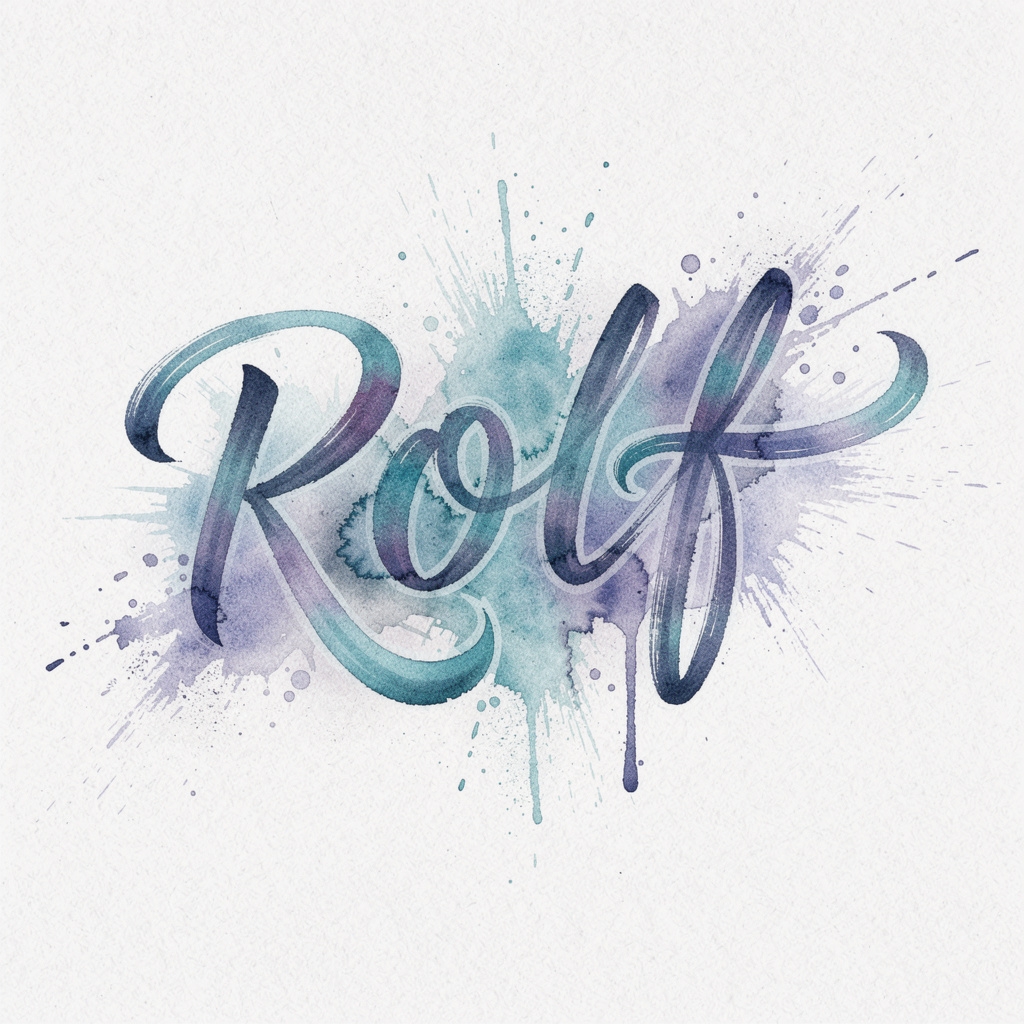
Watercolor Rolf Name Tattoo Design
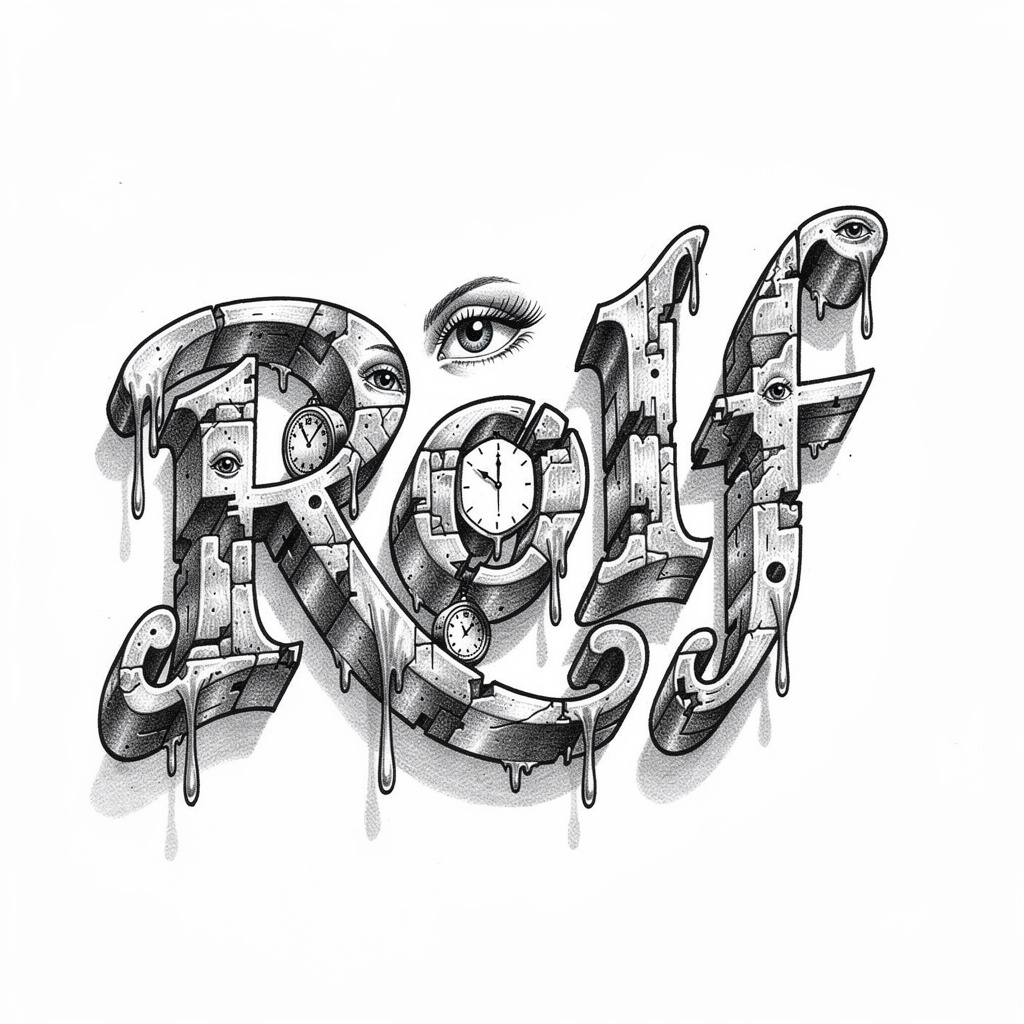
Surrealist Rolf Name Tattoo Concept
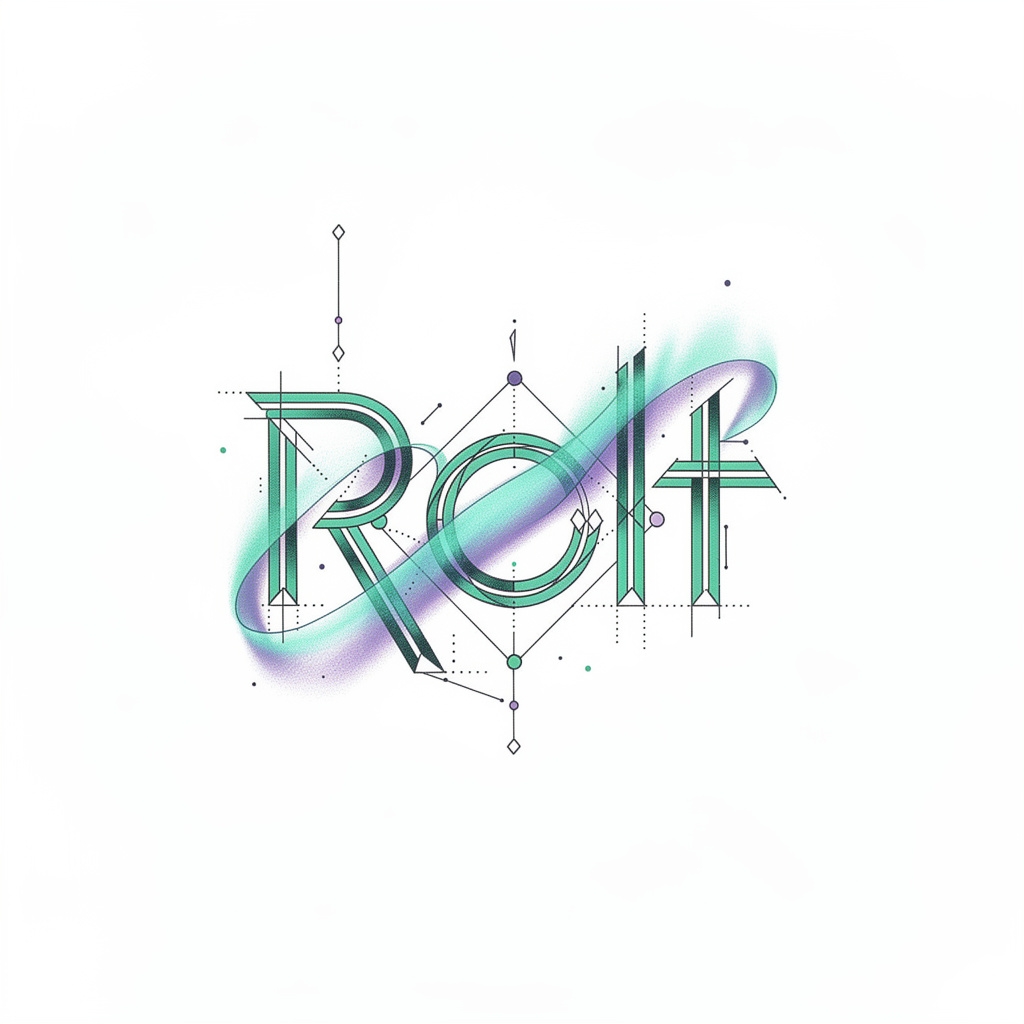
AuroraGlyph Rolf Name Tattoo Style
Global distribution & gender ratio
Germany
24.21% of recorded usage
Female: 0.00% · Male: 100.00%
Netherlands
13.86% of recorded usage
Female: 1.33% · Male: 98.67%
United States
8.50% of recorded usage
Female: 2.17% · Male: 97.83%
Switzerland
8.13% of recorded usage
Female: 0.00% · Male: 100.00%
Brazil
7.39% of recorded usage
Female: 0.00% · Male: 100.00%
You may also like
Similar names
Rudolf
Related Germanic name meaning famous wolf, sharing etymological roots.Ralph
English form linked to Old Norse/Old German for wolf counsel or wise wolf.Raoul
French variant conveying the idea of a wolf-related or counseling wolf name.Roland
Germanic name associated with famous land or renowned in the land.Rolfur
Icelandic-style variant connected to the famous wolf meaning.Rollo
Short form derived from similar roots, often interpreted with wolf-related strength.Wolfgang
German name combining wolf and path, evoking a strong, determined nature.Ulrich
German name linked with power and heritage, sharing a noble tone.Harald
Scandinavian name meaning army ruler, echoing strong, heroic connotations.Leif
Nordic name often associated with heir or descendant, with a similar cultural feel.
Frequently asked questions about rolf
What does the name Rolf mean?
Rolf is a Germanic and Scandinavian name traditionally interpreted as 'renowned wolf,' combining elements of fame and the symbolic strength of the wolf.
What is the origin of the name Rolf?
The name Rolf originates from Old Norse and Old High German forms such as Hrolfr and Hrodwulf, used widely in medieval Germanic and Viking societies.
Is Rolf a male or female name?
Rolf is traditionally a male given name in Germanic and Scandinavian cultures, and it is still overwhelmingly used for boys and men today.
How popular is the name Rolf today?
Rolf was more common in the mid-20th century in countries like Germany, Norway, and Sweden. Its usage has since declined, making it a more distinctive, vintage-style name for modern babies.
How do you pronounce Rolf?
In English, Rolf is typically pronounced with a clear 'R' and a short 'o' sound, roughly like 'ROLF' rhyming with 'golf.' In German and Scandinavian languages, the 'R' may be rolled or guttural.