
Meaning of the Name Roman
Origin of the Name Roman
Gender Association of the Name Roman
Popularity of the Name Roman
Global Usage of the Name Roman
Characteristic Features of People Named Roman
Charismatic
Individuals named Roman tend to possess a natural charm that attracts others.
Intelligent
Roman's are often perceived as smart, with a keen ability to solve problems.
Leadership
Many demonstrate strong leadership qualities, positioned to take charge and guide others.
Resilient
Known for their perseverance, Roman's face challenges head-on with a resilient spirit.
Cultural Awareness
They generally have a deep appreciation for history and culture, often exploring their heritage with interest.
Loyal
Roman's are often seen as fiercely loyal, valuing long-term relationships and friendships.
Creative
They usually have a creative side, flourishing in artistic and innovative fields.
Common Career Paths for People Named Roman
Leadership
Many Romans excel in leadership roles, thriving in positions that require decisive action and vision, such as CEOs or managers.
Academics
Known for their intellect, they are often drawn to academic pursuits, including teaching or research.
Arts & Entertainment
A creative streak leads some to careers in music, acting, or writing, where expression is key.
Historian
With a penchant for history, some align their professions with fields that explore the past, such as archaeology or cultural studies.
Diplomacy
Romans' cultural awareness makes them suitable for roles in diplomacy or international relations.
Entrepreneurship
Their leadership skills and innovative thinking also make them successful entrepreneurs, starting and managing businesses.
Unique and Interesting Characteristics of the Name Roman
Historical Significance
Associated with the iconic city of Rome, the name carries a legacy of historical intrigue and power.
Pop Culture
Roman is a name frequently seen in pop culture, from movies to video games, ensuring its presence in contemporary society.
Literary Presence
Many authors choose Roman for their characters, lending an air of timelessness and sophistication.
Religious and Spiritual Ties
Through ancient connections, it's occasionally linked to religious or spiritual contexts.
Sports Influence
The name appears in the ranks of athletes and sports professionals, highlighting strength and competition.
Famous People Named Roman
- Roman Polanski: Academy Award-winning film director
- Roman Reigns: Professional wrestler and actor
- Roman Abramovich: Businessman and former owner of Chelsea F.C.
- Roman Griffin Davis: British actor
- Roman Coppola: Filmmaker and producer
Roman Name Tattoo Design Collection

Roman Watercolor Name Tattoo Concept

Roman Surrealism Name Tattoo Concept
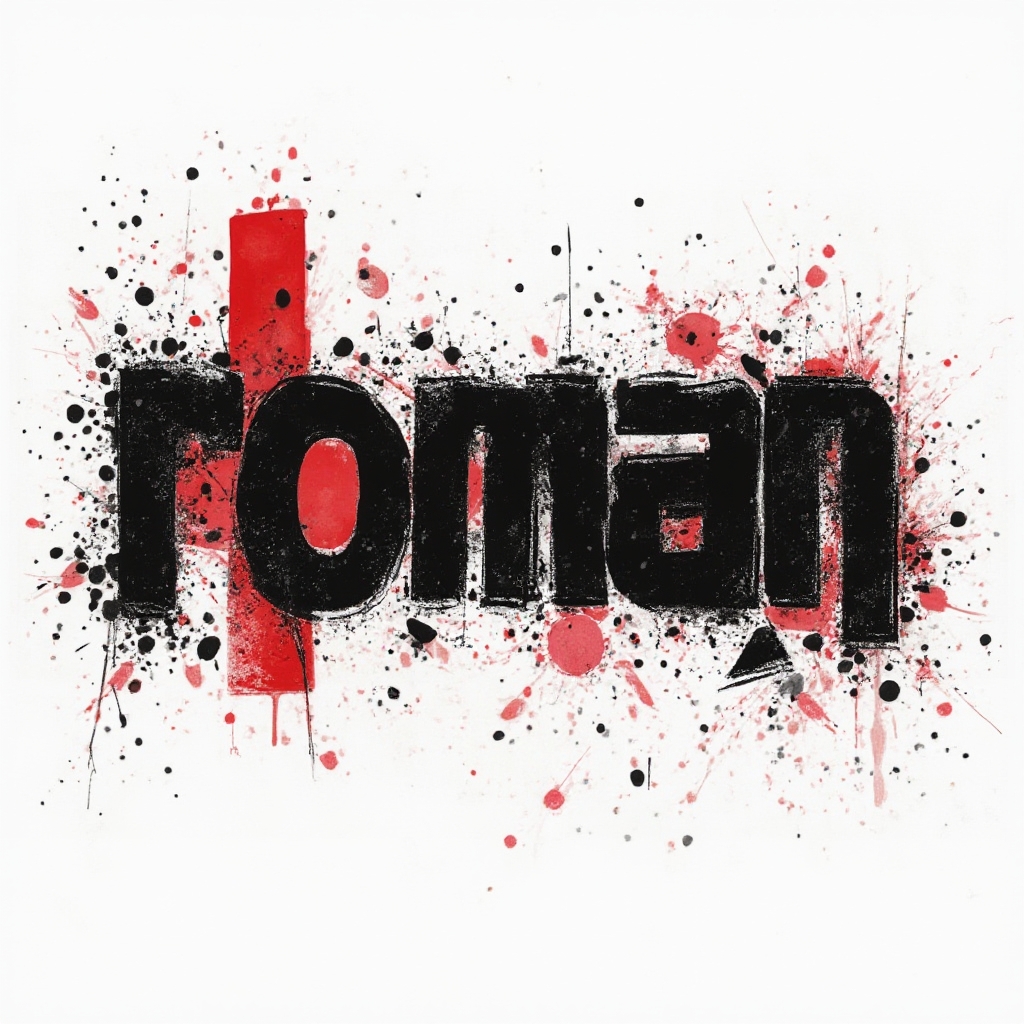
Roman Trash Polka Name Tattoo Concept
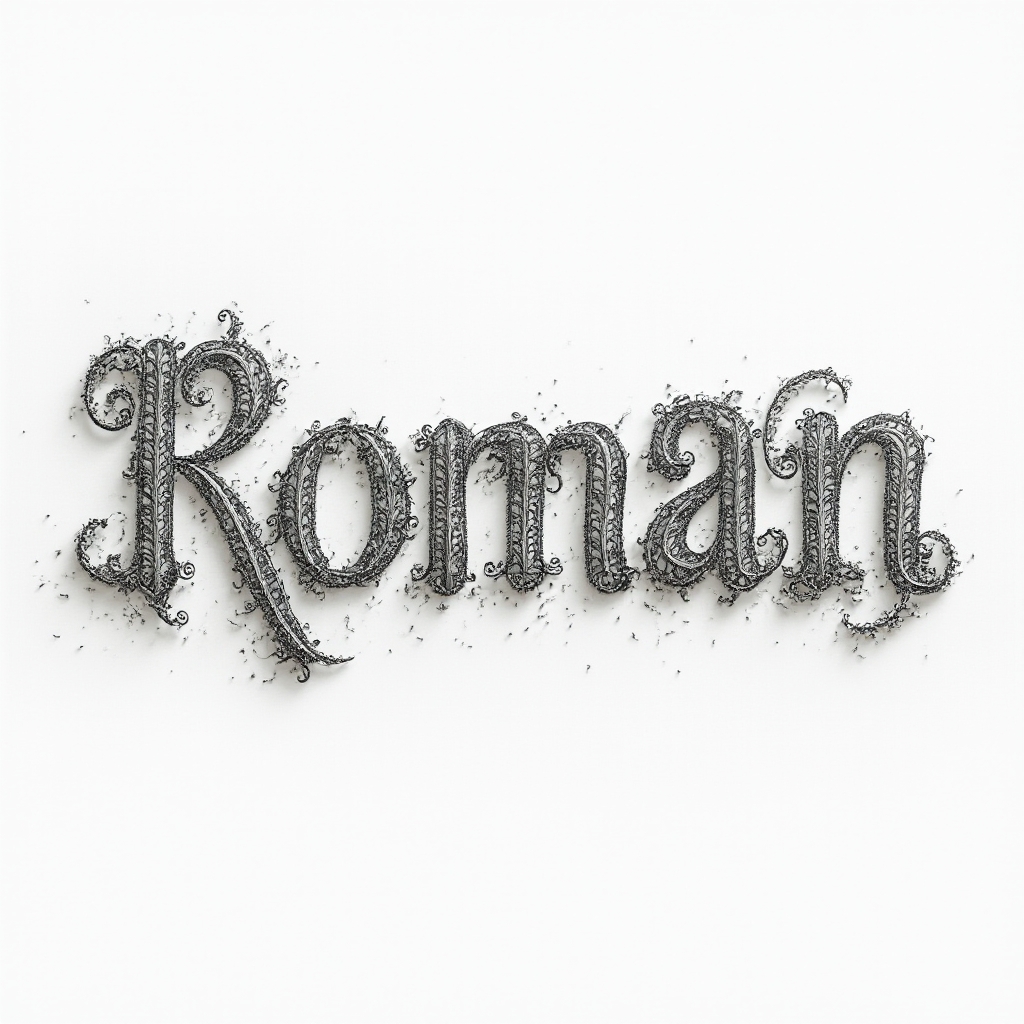
Roman AI-Original-Style Name Tattoo Concept
Global distribution & gender ratio
Russia
38.51% of recorded usage
Female: 0.21% · Male: 99.79%
Ukraine
16.04% of recorded usage
Female: 0.36% · Male: 99.64%
United States
8.63% of recorded usage
Female: 1.86% · Male: 98.14%
Mexico
5.75% of recorded usage
Female: 1.39% · Male: 98.61%
Czechia
4.64% of recorded usage
Female: 0.25% · Male: 99.75%
You may also like
Similar names
Romano
A strong name of Italian origin, Romano expresses similar connections to the city of Rome.Ramon
Often considered equivalent in sound, Ramon is common in Spanish-speaking countries.Romulus
Historically rooted, Romulus shares a legendary status with the story of Rome's founding.Romaine
This is a French variant that carries the same underlying meaning of the Roman legacy.Romero
Meaning "pilgrim," Romero holds a spiritual and historical resonance.Romeo
This name, imbued with romance, shares a deep connection with cultural works from Shakespearean lore.Ronan
Ronan blends similar phonetics and holds its roots in Gaelic meaning "little seal."Remus
Remus, like Romulus, delves into the mythological tales surrounding Roman heritage.Rowan
Symbolizing strength akin to the Roman name, Rowan is often seen as gender-neutral.Roshan
Sharing a sense of illumination, Roshan emerges from Persian origin with similar phonetics.
Frequently asked questions about roman
What is the meaning of the name Roman?
The name Roman signifies someone 'from Rome,' embodying strength and nobility linked to the ancient civilization.
What is the origin of the name Roman?
Roman originates from Latin, mainly tied to Rome, with historic significance in Italian and Romanian cultures.
Is Roman a male or female name?
Roman is generally a male name, notable figures like Roman Polanski and Roman Reigns are examples.
How popular is the name Roman?
The name Roman holds significant popularity in countries such as the United States and Russia, appearing often in baby name charts.
Is the name Roman used worldwide?
Roman is widely recognized in the United States, Russia, and Austria, with adaptations in other languages like Romain in France.
What careers are common for people named Roman?
People named Roman often pursue leadership roles, academic paths, creative arts, and areas with a historical focus.
What are similar names to Roman?
Similar names include Romano, Ramon, Romulus, Romaine, and Romero, reflecting a shared phonetic or cultural background.
Who are famous people named Roman?
Notable individuals include Roman Polanski, a distinguished director, and Roman Reigns, a renowned wrestler.