
Meaning of the Name Ros
Cultural and Historical Origin of Ros
Gender Usage of Ros
Popularity of the Name Ros
Global Usage and Cultural Presence of Ros
Personality Traits Associated with Ros
Gentle
Often perceived as kind-hearted and considerate toward others.
Artistic
May have a strong appreciation for beauty, design, or creative expression.
Graceful
Carries an air of quiet confidence and poise in social situations.
Loyal
Known for standing by friends and family through changing circumstances.
Thoughtful
Tends to reflect deeply before making decisions or offering advice.
Professional Paths for People Named Ros
Designer
Excels in visual fields such as graphic, interior, or fashion design.
Writer
Drawn to storytelling, journalism, or poetry, expressing nuance through words.
Therapist or Counselor
Uses empathy and listening skills to support others’ well-being.
Educator
Shares knowledge patiently, inspiring curiosity in students.
Nonprofit Leader
Advocates for social causes with dedication and compassion.
Unique and Interesting Facts About the Name Ros
Floral Diminutive
Ros is closely tied to rose-based names, giving it a floral yet streamlined feel.
Vintage Charm
The name evokes mid-20th-century style, appealing to lovers of retro names.
Global Nickname
In many cultures, Ros serves as a friendly, easy-to-pronounce nickname.
Literary Potential
Its brevity and symbolism make it a favorite for fictional characters or pen names.
Famous People Named Ros
- Ros Atkins: British journalist and BBC news presenter.
- Ros Barber: British poet, novelist, and academic.
- Ros Kelly: Australian former politician and government minister.
- Ros Pritchard: Fictional character from the UK television drama "The Amazing Mrs Pritchard."
How to Pronounce Ros in Latin and English
/ɹɒz/ or /ɹɔːz/ — Ros
- /ɹ/: Soft "r" sound as in "rain" in many English accents.
- /ɒ/: Short "o" as in British "lot," or /ɔː/ long "or" sound in some accents.
- /z/: Voiced "z" sound as in "zoo," closing the name smoothly.
roz (rhymes with "poz") or rawz (rhymes with "cause")
Tattoo Design Ideas Featuring the Name Ros
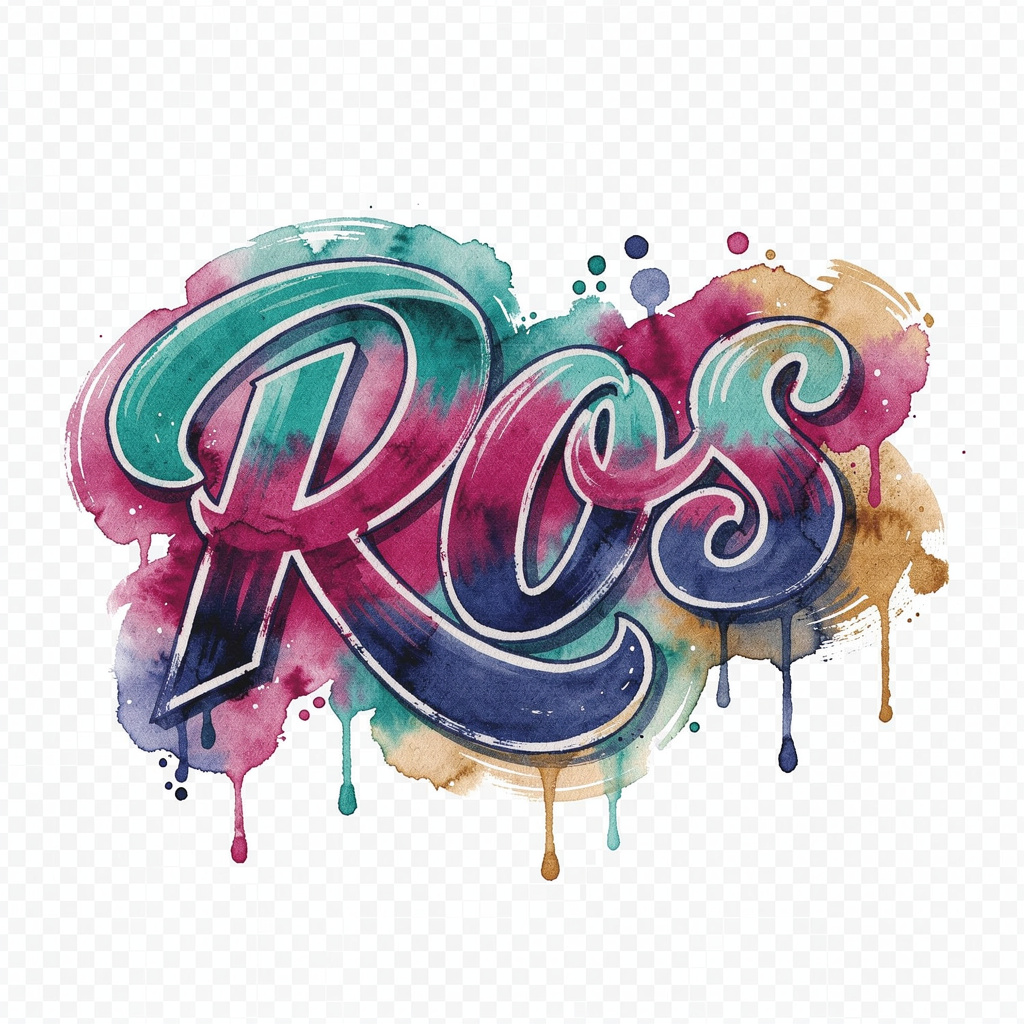
Watercolor Ros Name Tattoo Design

Surreal Ros Name Tattoo Composition
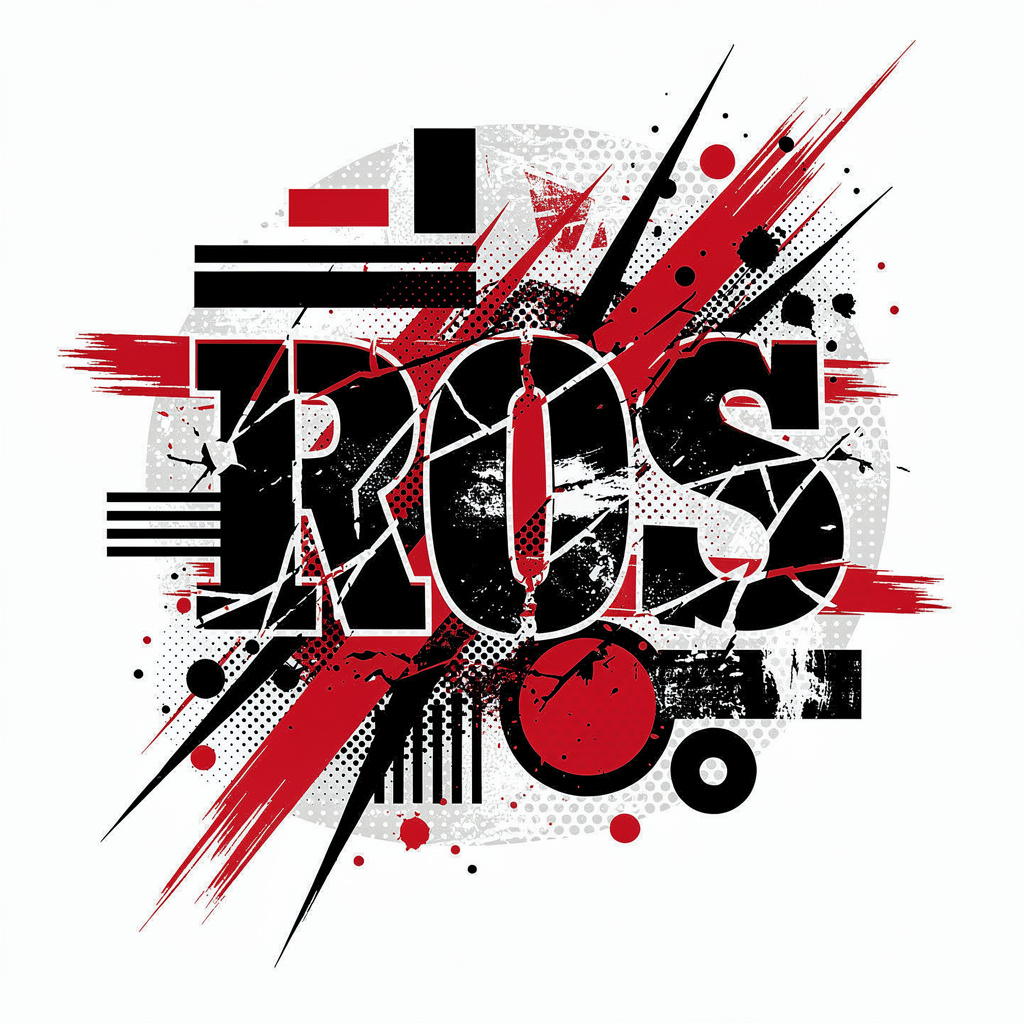
Trash Polka Ros Lettering Tattoo
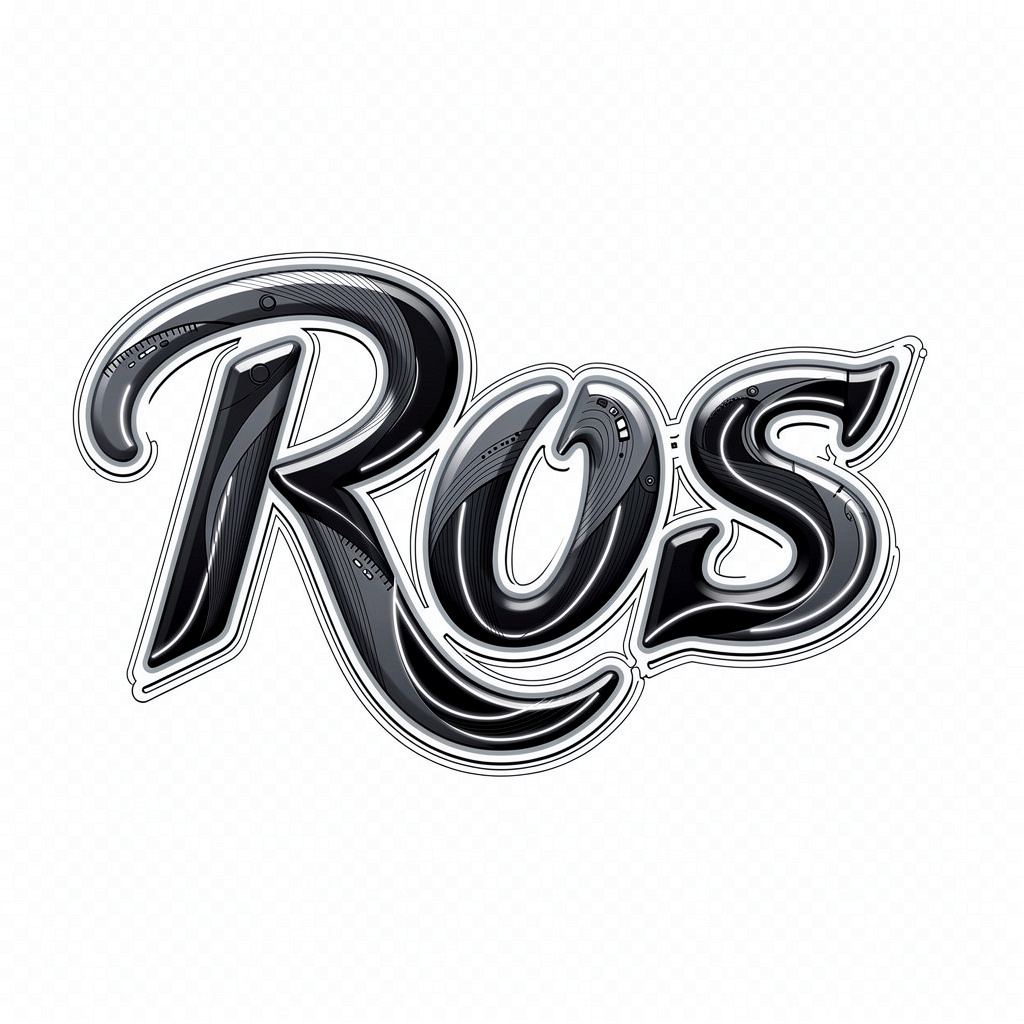
Luminex-Fusion Ros Name Tattoo
Global distribution & gender ratio
Malaysia
31.24% of recorded usage
Female: 88.51% · Male: 11.49%
Indonesia
13.29% of recorded usage
Female: 93.24% · Male: 6.76%
Mexico
10.77% of recorded usage
Female: 93.33% · Male: 6.67%
United States
6.82% of recorded usage
Female: 81.58% · Male: 18.42%
Philippines
4.13% of recorded usage
Female: 60.87% · Male: 39.13%
You may also like
Similar names
Rose
Associated with the rose flower, symbolizing love, beauty, and grace.Rosa
A Latin and Romance-language form tied directly to the rose and ideas of beauty and elegance.Rosie
A diminutive with a playful tone, still rooted in the rose and its sweet, loving symbolism.Roslyn
Blends elements of "rose" and "lake," often read as graceful and serene.Rosalind
Shakespearean name linked to the rose, conveying beauty and nobility.Rosaline
Romantic form suggesting tender, delicate charm like a rose blossom.Rosario
Spanish and Italian name meaning "rosary," connected with devotion and spiritual grace.Roisin
Irish name meaning "little rose," evoking love and poetic imagery.Rois
Variant that echoes the rose and carries a sense of romantic elegance.Roz
Phonetic variant often linked to rose-based names and strong individuality.
Frequently asked questions about ros
What is the meaning of the name Ros?
Ros is commonly associated with the rose flower, symbolizing love, beauty, and grace, often used as a short form of longer rose-based names.
What is the origin of the name Ros?
The name Ros has roots in Latin via the word 'rosa' for 'rose' and has been adopted into British, Irish, and other European naming traditions, frequently as a diminutive of longer floral names.
Is Ros a unisex name?
Yes, Ros is considered a gender-neutral name. It is often used for women as a short form of names like Rosemary, but it can also be given to men or used as a surname in several cultures.
How popular is the name Ros?
Ros is not highly ranked in modern baby name charts but has maintained steady, modest use, particularly in the UK, Ireland, and parts of the English-speaking world, making it a distinctive yet recognizable choice.
How do you pronounce Ros?
Ros is most commonly pronounced 'roz' (rhyming with 'poz') or 'rawz' (rhyming with 'cause'), with slight variation depending on regional accents.