
Meaning of the Name Ruth
Origin and History of Ruth
Gender Association of the Name Ruth
Popularity of the Name Ruth
Global Usage of the Name Ruth
Characteristic Features of People Named Ruth
Compassionate
Individuals named Ruth often exhibit a strong sense of empathy and kindness towards others.
Resilient
Known for their endurance and ability to thrive in challenging situations.
Loyal
Displays unwavering loyalty and commitment in relationships and friendships.
Faithful
Often deeply connected to spiritual or religious beliefs.
Supportive
Offers strong emotional support to family and friends.
Common Career Paths for People Named Ruth
Social Work
People named Ruth may be drawn to helping professions focused on supporting communities and individuals.
Teaching
Their nurturing qualities make them effective educators.
Healthcare
May choose careers as nurses or therapists, roles that benefit from their inherent caring nature.
Legal Sector
Advocate for justice, reflecting integrity and fairness.
Creative Arts
Express themselves artistically, drawing from inner sensitivity.
Unique and Interesting Characteristics of the Name Ruth
Biblical Origin
Ruth is a revered figure in biblical tales, symbolizing loyalty.
Time-Honored
Maintains a strong presence in popular culture, inspiring plays and literature.
Ruth Bader Ginsburg
A prominent namesake, symbolizing justice and resilience.
Classic Appeal
Holds relevance across eras, celebrated for its simplicity and grace.
Cultural Adaptability
Adopts well to different cultures while retaining the roots.
Famous People Named Ruth
- Ruth Bader Ginsburg: U.S. Supreme Court Justice known for her work in gender equality and civil rights.
- Ruth Wilson: Acclaimed British actress known for her roles in films and theatre.
- Ruth Rendell: Renowned British author famous for her crime fiction novels.
- Ruth Ellis: The last woman to be executed in the United Kingdom, with a noteworthy case.
Ruth Artistic Name Tattoo Concepts
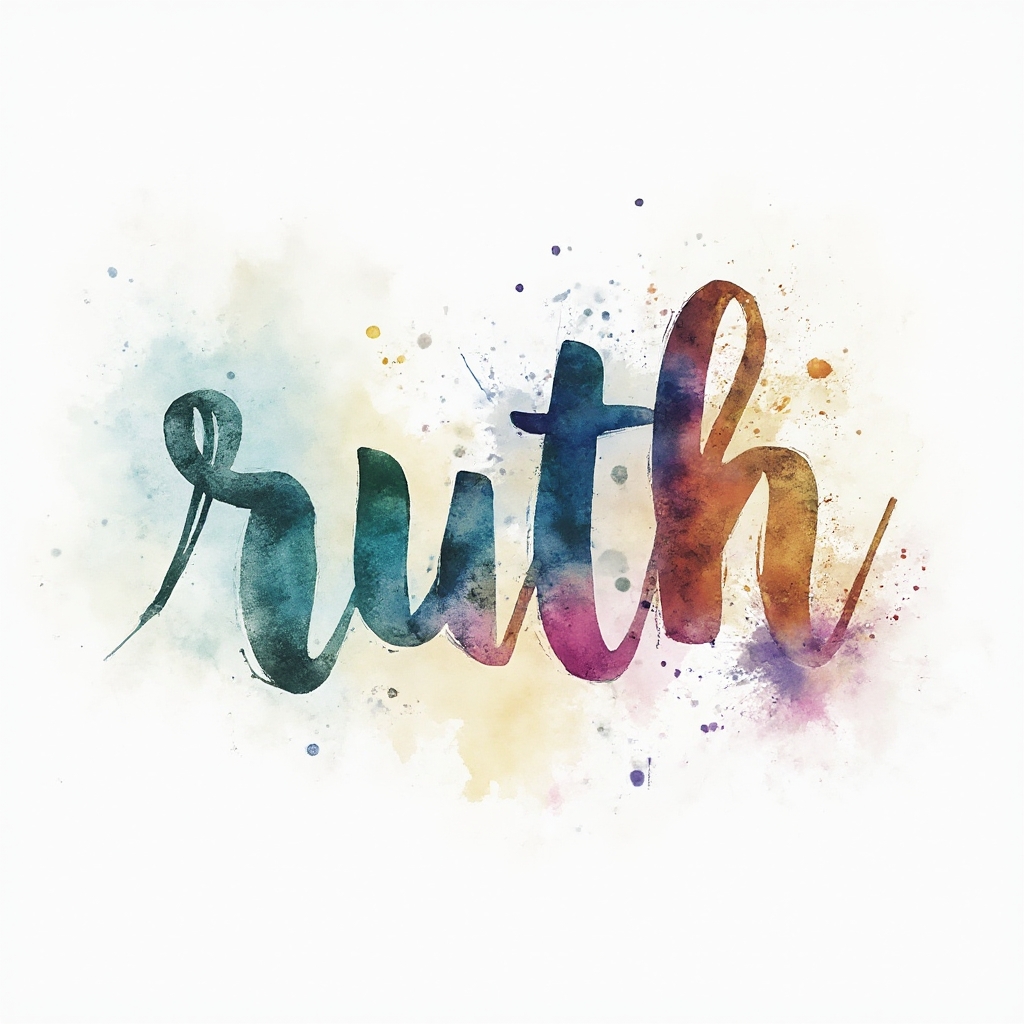
Ruth Watercolor Ink Splash Tattoo Concept

Ruth Surrealism Dreamscape Tattoo Design
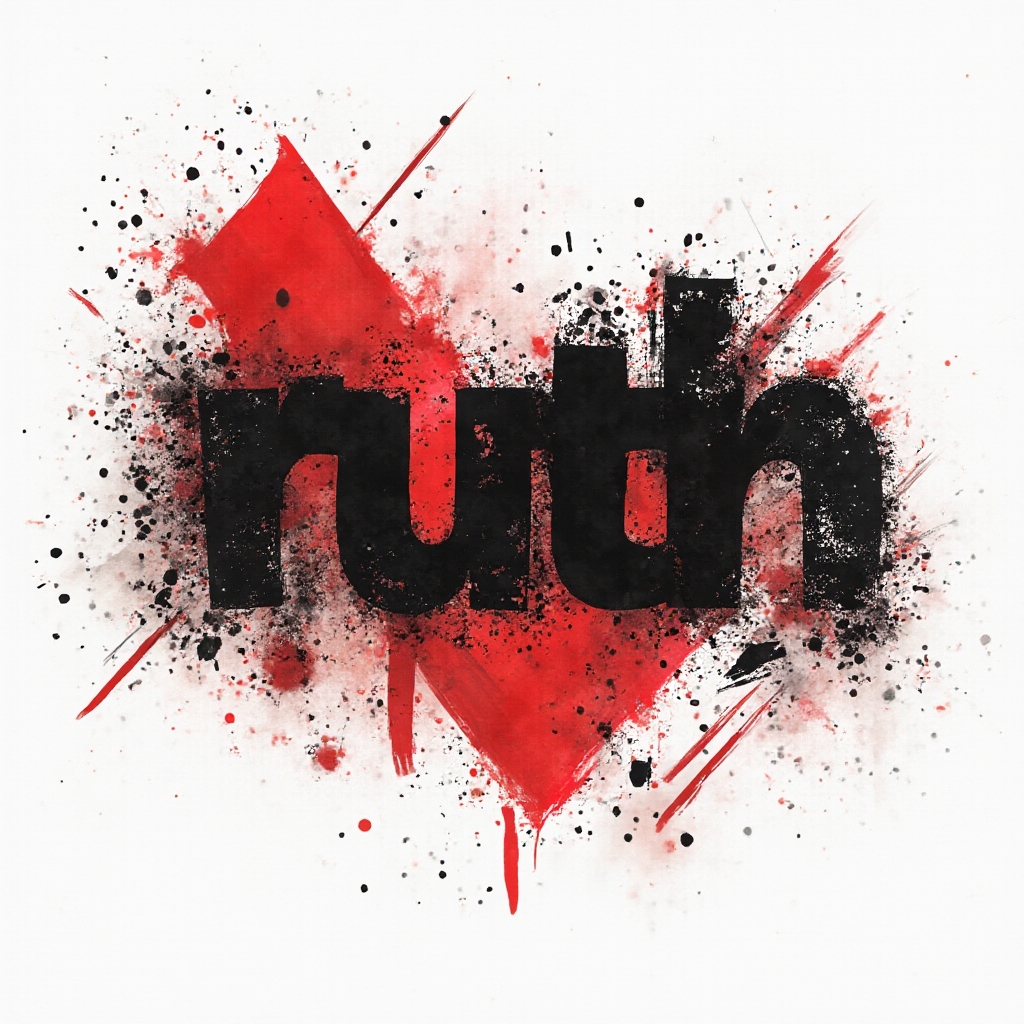
Ruth Trash Polka Contrast Tattoo Concept
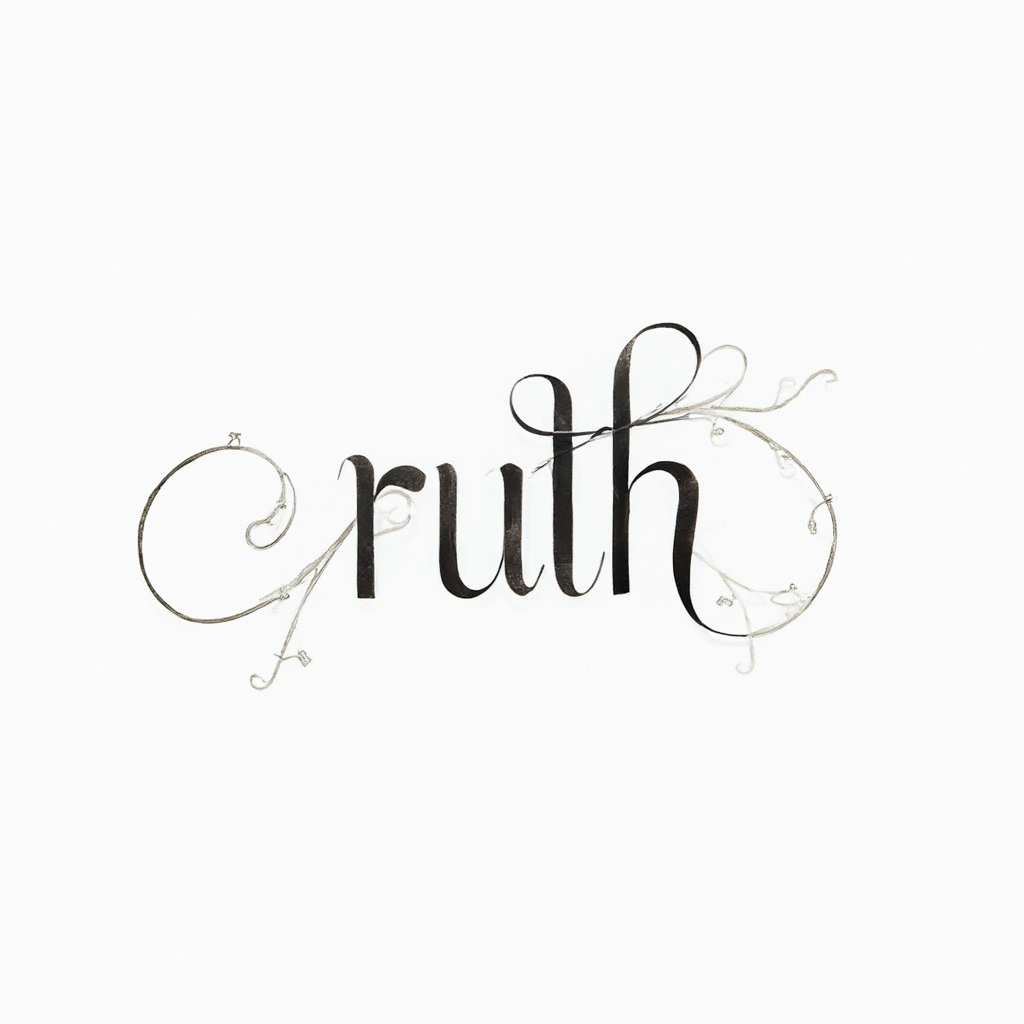
Ruth AI-Original-Style Signature Flow Tattoo
Global distribution & gender ratio
United States
21.41% of recorded usage
Female: 99.15% · Male: 0.85%
Brazil
13.42% of recorded usage
Female: 99.66% · Male: 0.34%
Indonesia
12.77% of recorded usage
Female: 99.76% · Male: 0.24%
Mexico
12.27% of recorded usage
Female: 99.38% · Male: 0.62%
Philippines
6.46% of recorded usage
Female: 99.06% · Male: 0.94%
You may also like
Similar names
Rebekah
Derived from the Hebrew name Rivka, evoking the sensation of ensnarement or trapping.Rahab
A biblical name symbolizing broadness and mercy, with deep cultural resonance.Miriam
A name of Hebrew origin, meaning beloved or wished-for child.Hannah
A classic Hebrew name signifying grace and favor.Abigail
Meaning my father's joy, a name celebrated for its sweetness.Naomi
Refers to pleasantness, used in diverse cultural contexts.Esther
Possesses a regal aura, often connected with the star in Persian origin.Deborah
Translates to the bee, a biblical name symbolizing diligence.Lydia
Expresses the noble connotation, originally from ancient Greece.Sarah
A timeless classic meaning princess in a variety of cultures.
Frequently asked questions about ruth
What does the name Ruth mean?
The name <strong>Ruth</strong> signifies <strong>friendship</strong> and <strong>compassion</strong>, often associated with loyalty and devotion.
What is the origin of the name Ruth?
Ruth has its roots in the <strong>Hebrew</strong> tradition, carrying a deep cultural and religious significance.
Is the name Ruth associated with a gender specifically?
The name Ruth is traditionally <strong>female</strong> but occasionally used for males, supported by historical trends and namesakes.
How popular is the name Ruth?
Ruth has remained a popular choice throughout history, significantly in the United States and United Kingdom, cherished for its classic elegance.
How is the name Ruth used globally?
Around the globe, <strong>Ruth</strong> is widely used and carries consistent pronunciation, adjusting only to slight regional differences.
What traits do people named Ruth have?
Ruths are often seen as compassionate, resilient, and loyal individuals, possessing a deep sense of faith and supportiveness.
What are common career paths for the name Ruth?
Ruths frequently pursue careers in social work, teaching, healthcare, legal professions, and the creative arts, leveraging their nurturing instincts.
Who are some famous people named Ruth?
Famed individuals include Supreme Court Justice Ruth Bader Ginsburg, actress Ruth Wilson, and author Ruth Rendell, among others.