
Understanding the Meaning of Salih
Tracing the Origins of Salih
Gender Association of the Name Salih
Popularity of the Name Salih
Global Usage of the Name Salih
Characteristic Features of People Named Salih
Wise
Individuals named Salih are often perceived as wise and balanced, possessing an inherent ability to think deeply about issues and provide sound advice.
Trustworthy
Being trustworthy is considered a hallmark of their character, enabling them to build solid relationships both professionally and personally.
Diplomatic
They often exhibit diplomatic traits, easily navigating complex social and professional dynamics with grace and respect.
Communicators
Skilled in communication, people named Salih may excel in roles that require empathetic listening and clear articulation of ideas.
Intuitive
An intuitive nature helps them sense nuanced emotional and social cues, making them adept at understanding the unspoken needs of others.
Problem-solvers
Known for their practical approach and analytical skills, they are often called upon to solve challenging problems efficiently.
Common Career Paths for People Named Salih
Leadership and Management
Given their innate ability to guide and inspire, many named Salih find success in managerial and leadership roles.
Education and Teaching
Their affinity for communication often leads them to educational fields, where they impact lives through teaching and mentorship.
Social Services and Counseling
With a strong sense of empathy and understanding, they do well in roles that involve counseling or social services, helping others find their path.
Politics and Diplomacy
Their diplomatic skill sets make political and diplomatic careers a natural fit, allowing them to influence change on larger scales.
Creative Arts
Many Salihs channel their introspective qualities into the arts, excelling in roles that require creative expression and innovation.
Entrepreneurship
A daring and insightful mindset makes entrepreneurship a thrilling domain for those named Salih, paving new avenues of success.
Unique and Interesting Characteristics of the Name Salih
Historical Significance
Salih is notable in Islamic history for being the name of a prophet known for preaching monotheism, giving it a deep religious resonance.
Cultural References
The name appears in literary and historical texts across Islamic countries, marking its profound cultural footprint.
Media Presence
Prominently found in Middle-Eastern media and novels, Salih represents themes of righteousness and moral valor.
Sports Figures
Several renowned athletes from the Middle Eastern regions share this name, enhancing its visibility and significance worldwide.
Political Influence
Figures in politics with this name underscore its association with leadership, reinforcing its role in societal governance.
Literary Legends
As a name often used by authors, it embodies intellectual and philosophical ideals, a favorite choice for narratives requiring depth.
Famous People Named Salih
- Salih Bozok: A close associate of Mustafa Kemal Ataturk, an influential figure in Turkey's modern history.
- Salih Mirzabeyoğlu: A Turkish thinker and writer known for his philosophical works and influence.
- Salih Uçan: Turkish professional footballer, known for his midfield prowess.
- Salih Hudayar: Political figure advocating for the independence of East Turkistan.
Tattoo Designs for the Name 'salih'
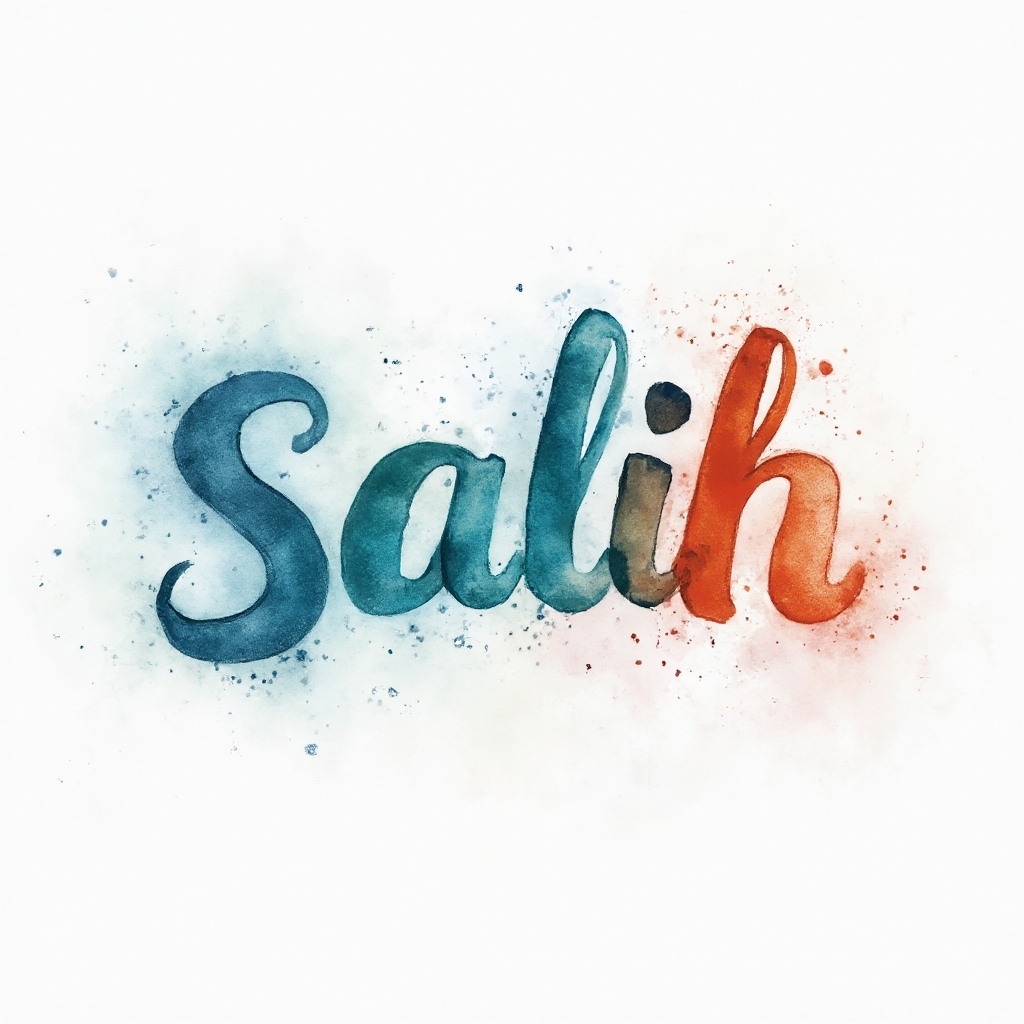
Watercolor Salih

Surreal Salih Dreamscape
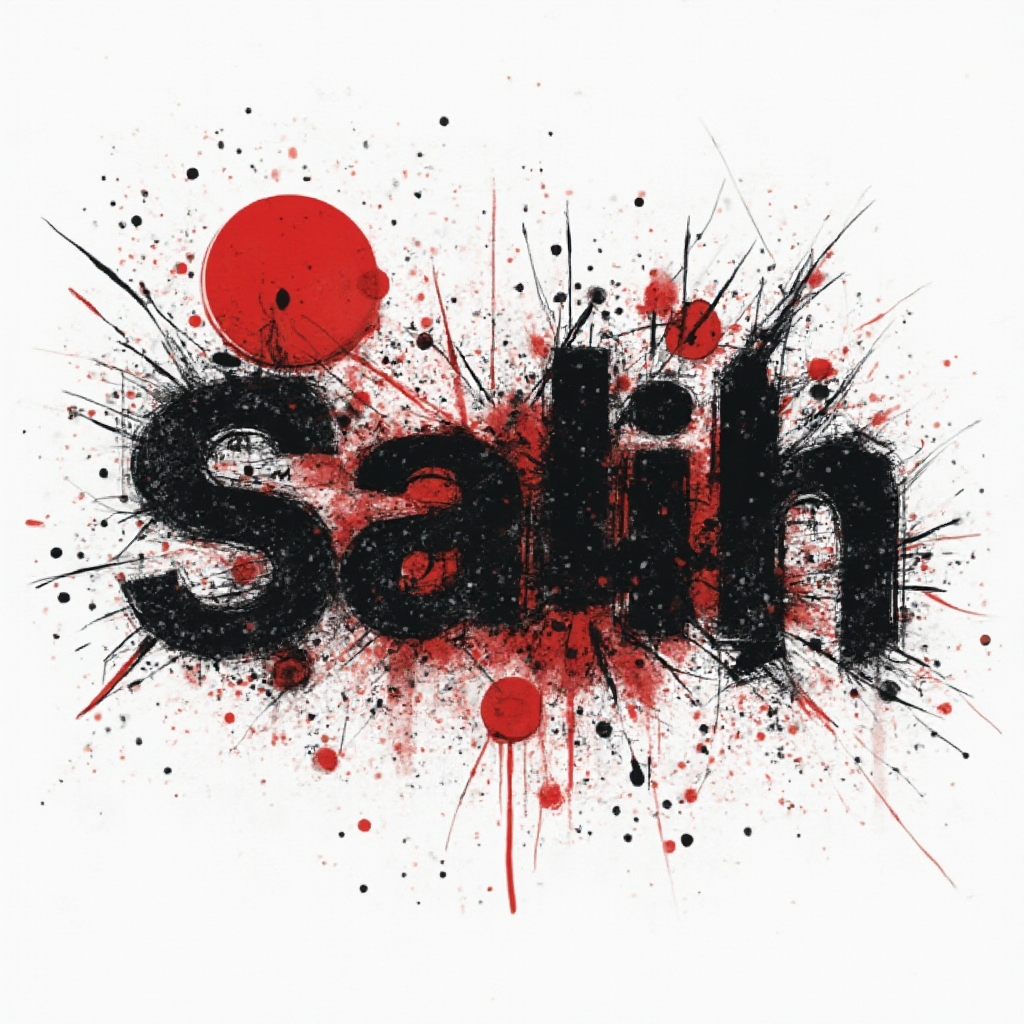
Trash Polka Salih

AI-Original-Style Salih
Global distribution & gender ratio
Türkiye
96.54% of recorded usage
Female: 0.80% · Male: 99.20%
Cyprus
1.04% of recorded usage
Female: 1.74% · Male: 98.26%
Saudi Arabia
0.29% of recorded usage
Female: 2.06% · Male: 97.94%
Germany
0.27% of recorded usage
Female: 0.00% · Male: 100.00%
United States
0.17% of recorded usage
Female: 3.51% · Male: 96.49%
You may also like
Similar names
Saleh
An Arabic variant of Salih, meaning righteous or virtuous.Salah
Means righteousness or goodness, widely used in Arabic-speaking countries.Sulaiman
A name meaning peaceful, often associated with wisdom.Said
Meaning happy or fortunate, popular across Arabic cultures.Samir
Translates to loyal companion, common in Middle Eastern cultures.Amir
Means prince or leader, showcasing nobility.Rahim
Means merciful, often used to express tenderness.Karim
Translates to generous, appreciated in Middle Eastern societies.Zayd
Meaning increase or growth, prevalent in Islamic cultures.Amin
Means honest or trustworthy, reinforcing integrity.