
Meaning of the Name Selçuk
Cultural and Historical Origin of Selçuk
Gender Usage of the Name Selçuk
Popularity of Selçuk Across Time and Countries
Global Usage and Pronunciation of Selçuk
Personality Traits Associated with Selçuk
Leadership
Often seen as naturally taking initiative and guiding others with confidence.
Courage
Tends to face challenges directly, willing to stand up for beliefs and values.
Loyalty
Deeply committed to family, friends, and long-term responsibilities.
Strategic Thinking
Inclined to plan ahead, analyze options, and make deliberate decisions.
Resilience
Capable of recovering from setbacks and continuing with steady determination.
Professions Suited to the Name Selçuk
Leader & Manager
Roles in business or public administration that require direction and coordination.
Historian or Academic
Careers involving research, culture, or history, reflecting the name’s heritage.
Engineer
Technical and problem-solving fields that value precision and strategic planning.
Diplomat
Positions that call for negotiation, representation, and cross-cultural understanding.
Entrepreneur
Building new ventures, taking calculated risks, and shaping long-term visions.
Unique and Interesting Facts About Selçuk
Dynastic Heritage
The name is tied to the Seljuk dynasty, a major power in medieval Eurasia.
Place Names
Several towns and districts, especially in Türkiye, carry the name in honor of this legacy.
Cultural Symbol
Frequently appears in historical literature, documentaries, and academic works on Turkic history.
Spelling Variants
Commonly written as “Selcuk” in international contexts without the diacritic on "ç".
Famous People Named Selçuk
- Selçuk Yula: Turkish professional footballer known for his successful career as a striker.
- Selçuk İnan: Turkish footballer and coach, celebrated for his playmaking skills and free-kick talents.
- Selçuk Yöntem: Turkish actor renowned for his performances in television, cinema, and theater.
- Selçuk Şahin: Turkish footballer recognized for his long-term contributions to top Turkish clubs.
- Selçuk Bayraktar: Turkish engineer and entrepreneur, known for his role in developing unmanned aerial vehicles.
How to Pronounce Selçuk in Turkish
/selt͡ʃuk/ — Selçuk
- /sel/: like “sell” in English, short and clear.
- /t͡ʃ/: the "ç" sound, like "ch" in "church."
- /uk/: like "ook" in "book," but with a shorter, closed "u" sound.
SEHL-chook
Tattoo Design Ideas Featuring the Name Selçuk
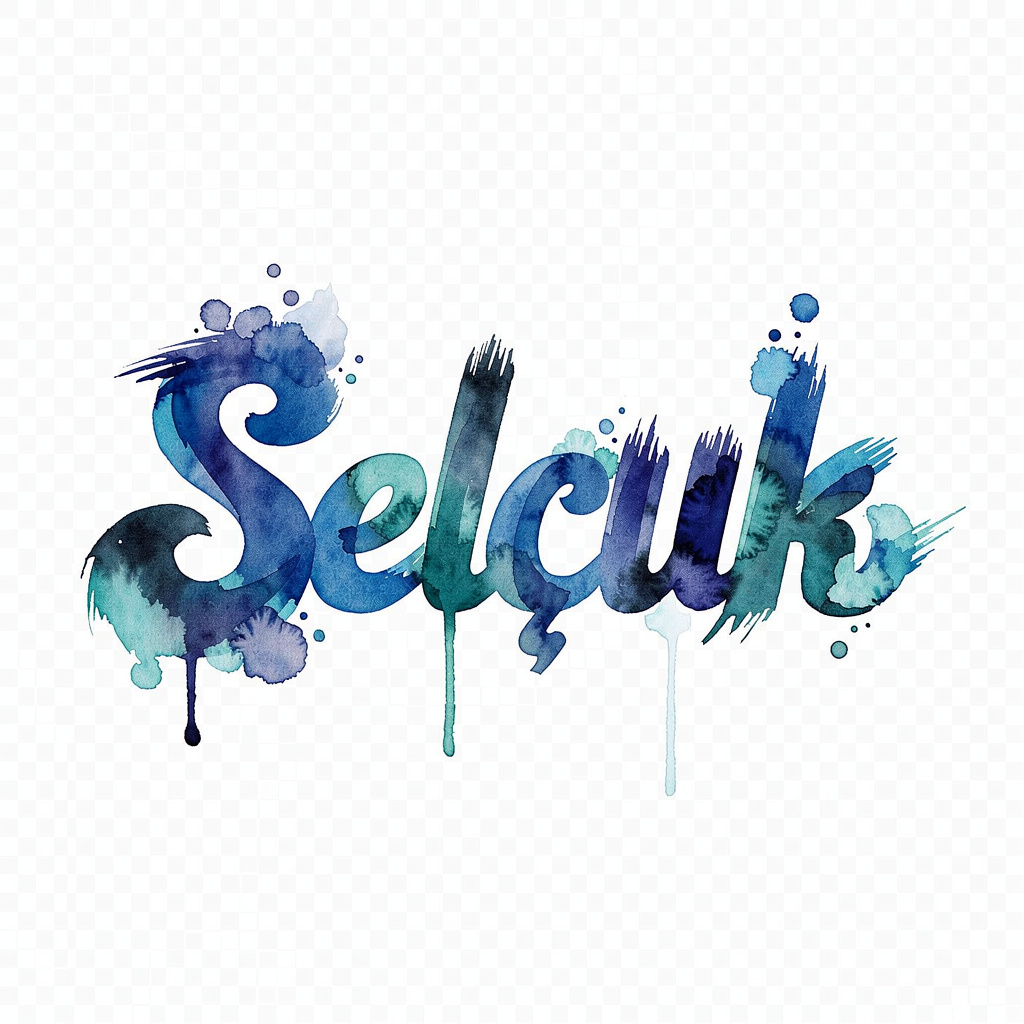
Watercolor Selçuk Name Tattoo Design

Surrealist Selçuk Name Tattoo Design

Trash Polka Selçuk Name Tattoo Design
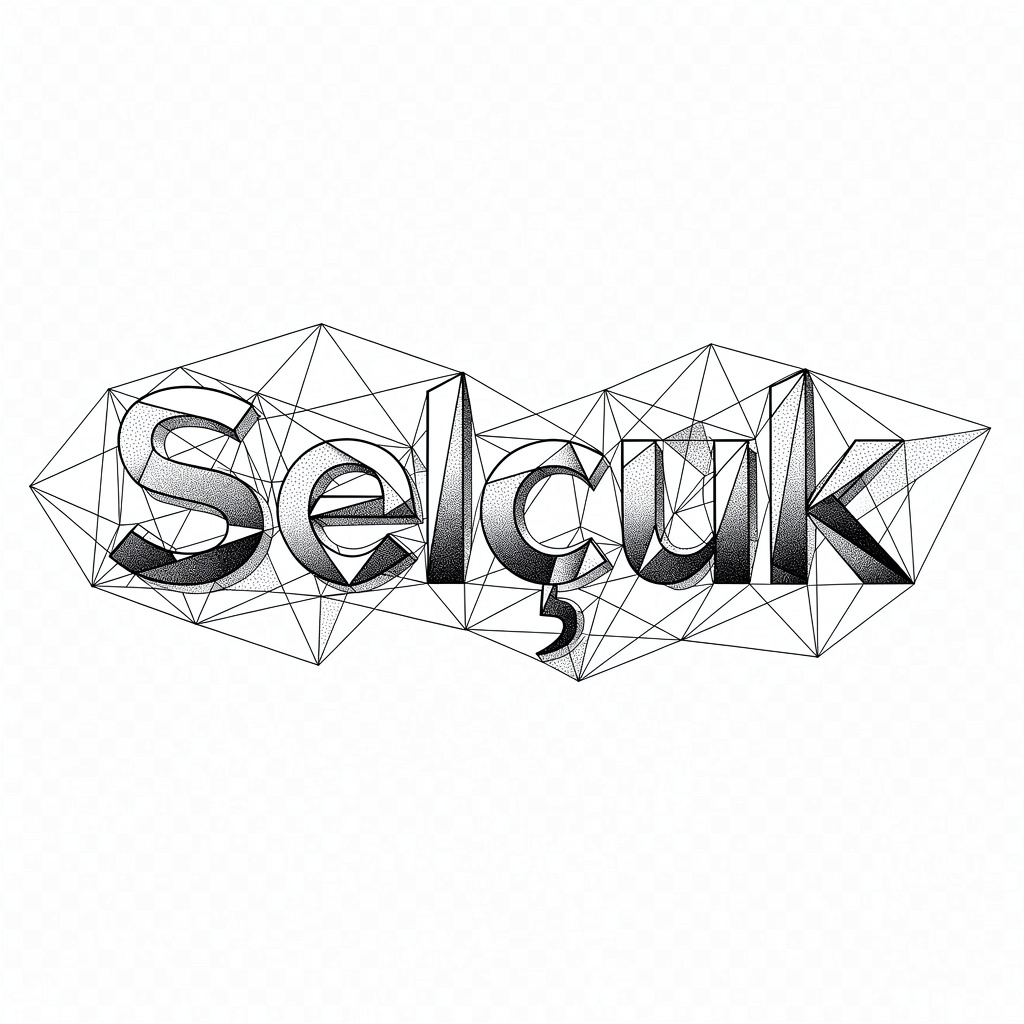
AeonFlux-Ink Selçuk Name Tattoo Design
Global distribution & gender ratio
Türkiye
97.95% of recorded usage
Female: 1.09% · Male: 98.91%
Cyprus
0.42% of recorded usage
Female: 0.00% · Male: 100.00%
Germany
0.24% of recorded usage
Female: 0.00% · Male: 100.00%
United States
0.14% of recorded usage
Female: 0.00% · Male: 100.00%
Greece
0.08% of recorded usage
Female: 0.00% · Male: 100.00%
You may also like
Similar names
Selim
Related Turkish name conveying peace and safety.Serkan
Modern Turkish name often associated with leader and protector qualities.Sencer
Historical Turkic name linked to victory and power.Sinan
Classic name sometimes connected to spear and protection symbolism.Sefa
Turkish name tied to joy and pleasure.Seçkin
Given name implying distinguished, elite, or select person.Sercan
Modern name that can suggest heartfelt and sincere character.Sedat
Name related to concepts of calm, serenity, and order.Serdar
Derived title-like name associated with commander and chief meanings.Selçin
Similar-sounding Turkish name linked with choice and selection.
Frequently asked questions about selçuk
What is the meaning of the name Selçuk?
Selçuk is a historical Turkish name associated with leadership, nobility, strength, and valor, often evoking the image of a guiding, warrior-like figure.
What is the origin of the name Selçuk?
The name Selçuk originates from the early Turkic world and is famously connected to the founding leader of the Seljuk dynasty, a powerful medieval state influential across Anatolia and the Middle East.
Is Selçuk a male or female name?
Selçuk is traditionally used as a male given name in Turkish culture, though modern naming trends sometimes extend historical names across gender lines.
How popular is the name Selçuk?
Selçuk is well known and moderately common in Türkiye, particularly among generations born in the late 20th century, while remaining relatively rare outside Turkish-speaking communities.
How do you pronounce Selçuk?
Selçuk is pronounced approximately as SEHL-chook, with the Turkish letter "ç" sounding like the "ch" in "church." Its IPA transcription is /selt͡ʃuk/.
Are there similar names to Selçuk?
Names similar to Selçuk in sound, origin, or historical feel include Selim, Serkan, Sencer, Sinan, Sefa, Seçkin, Sercan, Sedat, Serdar, and Selçin.