
Meaning of the Name Shirin
Origin and Background of Shirin
Gender of the Name Shirin
Popularity of Shirin
Global Usage of Shirin
Personality Traits Associated with Shirin
Kind-hearted
Often seen as compassionate, caring, and considerate toward others.
Graceful
Carries herself with elegance, calmness, and quiet confidence.
Optimistic
Tends to look on the bright side and uplift those around her.
Artistic
Drawn to beauty, creativity, and expressive pursuits.
Loyal
Values deep, lasting relationships and stands by loved ones.
Career Paths for the Name Shirin
Artist or Designer
Expressing creativity through visual arts, fashion, or design.
Writer or Poet
Using language to convey emotion, stories, and ideas.
Counselor or Psychologist
Providing empathy, support, and guidance to others.
Teacher or Professor
Sharing knowledge and inspiring students in various fields.
Diplomat or Cultural Liaison
Bridging cultures and fostering understanding in international contexts.
Unique and Interesting Facts About Shirin
Legendary Love Story
Central heroine of the classic Persian romance “Khosrow and Shirin.”
Symbol of Sweetness
Frequently used in poetry to symbolize sweetness and tender affection.
Cross-Cultural Appeal
Recognized across Persian, Kurdish, Tajik, and other regional traditions.
Literary Legacy
Celebrated by famous poets such as Nizami Ganjavi and later Persian writers.
Famous People Named Shirin
- Shirin Ebadi: Iranian lawyer, former judge, and Nobel Peace Prize–winning human rights activist.
- Shirin Neshat: Iranian visual artist and filmmaker known for powerful works on identity and culture.
- Shirin David: German rapper, singer, and media personality of Iranian-Lithuanian descent.
- Shirin R. Tahir-Kheli: American foreign policy expert and diplomat of Pakistani heritage.
Pronunciation of Shirin in Persian
/ʃiːˈriːn/ — شيرين
- /ʃiː/: like “she” in English, with a long "ee" sound.
- /riːn/: sounds like "reen," with a long "ee" followed by a soft "n".
shee-REEN
Tattoo Ideas and Design Prompts for the Name Shirin

Watercolor Shirin Name Tattoo Design
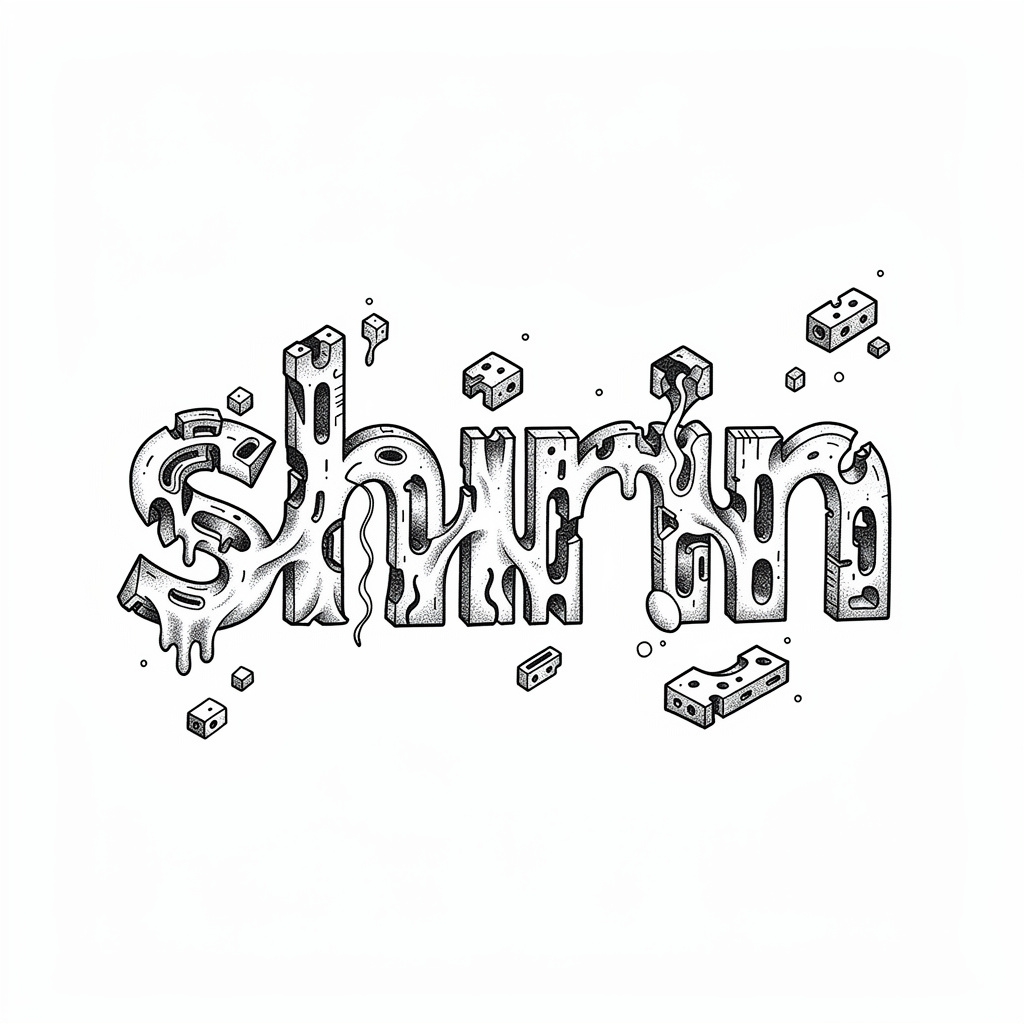
Surrealist Shirin Name Tattoo Concept

Luminara-Fusion Shirin Name Tattoo
Global distribution & gender ratio
Iran
45.32% of recorded usage
Female: 97.57% · Male: 2.43%
United States
11.93% of recorded usage
Female: 100.00% · Male: 0.00%
Türkiye
10.83% of recorded usage
Female: 93.22% · Male: 6.78%
Singapore
3.30% of recorded usage
Female: 100.00% · Male: 0.00%
Malaysia
2.75% of recorded usage
Female: 93.33% · Male: 6.67%
You may also like
Similar names
Sherin
A variant form often used in South Asia, associated with sweetness and charm.Sharmin
A name of similar sound linked with modesty and grace.Shireen
Another common spelling that also conveys sweet, pleasant qualities.Serin
A softer variant, sometimes connected to delicacy and gentleness.Sherine
A modern style spelling with meanings of sweet and delightful.Sabine
European name with a gentle sound, associated with beauty and femininity.Shima
Persian name often linked to face or beloved, sharing cultural roots.Shahla
Persian name connected with dark-eyed beauty and elegance.Simin
Persian name meaning silvery, suggesting delicacy and refinement.Nazanin
Popular Persian name meaning sweetheart or darling.
Frequently asked questions about shirin
What is the meaning of the name Shirin?
Shirin is a Persian name that primarily means sweet, pleasant, and charming, often associated with a warm and kind-hearted personality.
What is the origin of the name Shirin?
The name Shirin originates from Persian culture and history, where it is tied to classical literature and the famous love story of Khosrow and Shirin.
Is Shirin a girl's or boy's name?
Shirin is traditionally a feminine name, especially in Persian-speaking regions, though it may appear in broader contexts as naming practices evolve.
How do you pronounce Shirin?
Shirin is commonly pronounced as shee-REEN, with the stress on the second syllable. In IPA, it is written as /ʃiːˈriːn/.
How popular is the name Shirin?
Shirin is moderately popular in Persian-speaking and nearby regions, and less common but increasingly recognized in Western countries due to migration and cultural exchange.