
Meaning of the Name Tufan
Origin of the Name Tufan
Gender Association of the Name Tufan
Popularity of the Name Tufan
Global Usage of the Name Tufan
Characteristic Features of People Named Tufan
Resilient
Those named Tufan often face challenges with strength and determination, bouncing back from setbacks.
Dynamic
Much like a storm, they bring energy and excitement into their environments.
Charismatic
Their presence can dominate a room, drawing attention and respect from others.
Innovative
Creative problem-solving and thinking outside the box are common traits.
Common Career Paths for People Named Tufan
Environmental Sciences
Tufans are often drawn to studying natural phenomena.
Public Speaking
Their dynamic personalities find a home in communication-related fields.
Technology
Innovation and forward-thinking guide them in tech-oriented careers.
Leadership Roles
Their inherent charisma positions them to lead and inspire teams.
Unique and Interesting Characteristics of the Name Tufan
Historical Significance
The name Tufan appears in historical texts referencing ancient storms.
Literary Connections
Often used in fiction as a name for characters with transformative power.
Celebrity Influence
Several actors and musicians in the Middle East bear this name.
Pop Culture
Tufan features in songs that metaphorically speak about change and renewal.
Famous People Named Tufan
- Tufan Erdurmaz: Renowned Turkish musician known for his innovative compositions.
- Tufan Tengiz: A celebrated Iranian director with notable films on natural themes.
- Tufan Aliyev: Prominent Azerbaijani academic specializing in environmental sciences.
Tufan Artistic Name Tattoo Collection

Tufan Watercolor Ink Flow Tattoo Concept
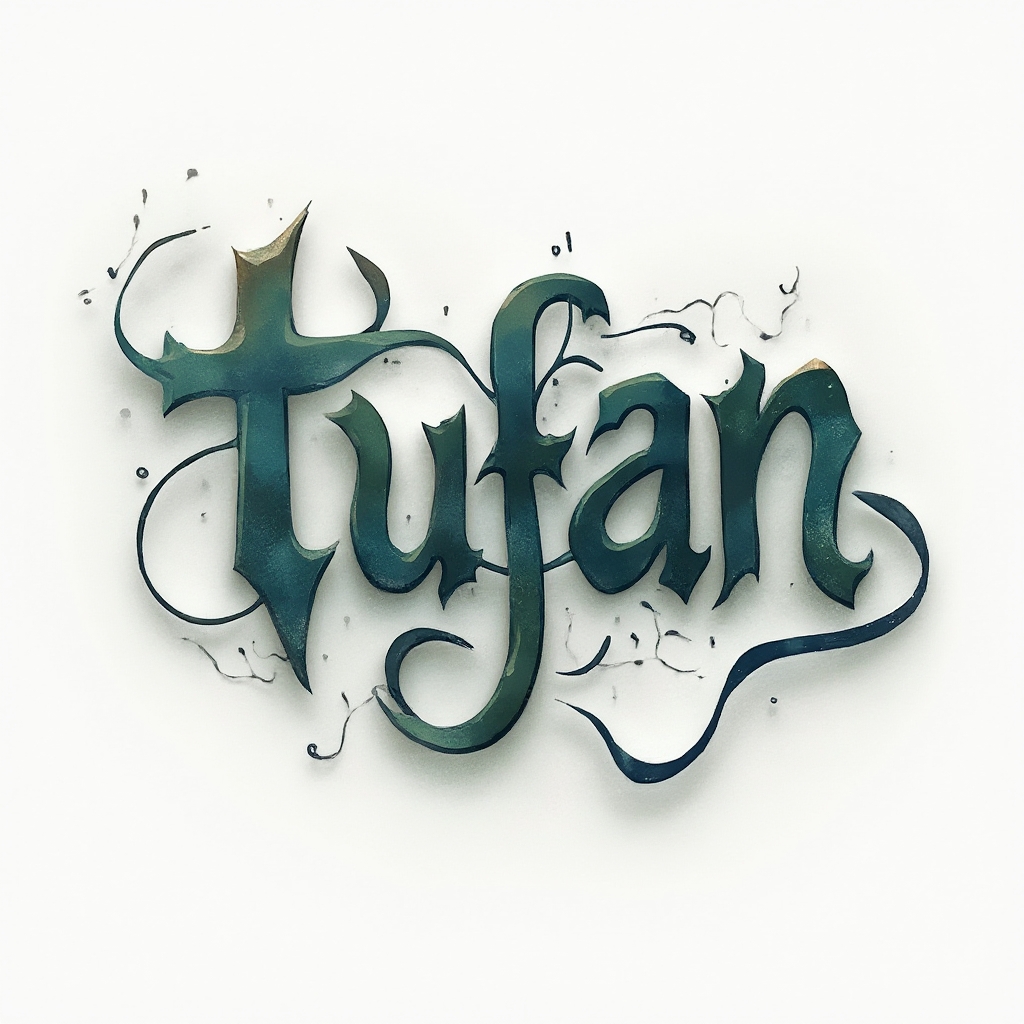
Tufan Surrealism Name Morph Tattoo Design
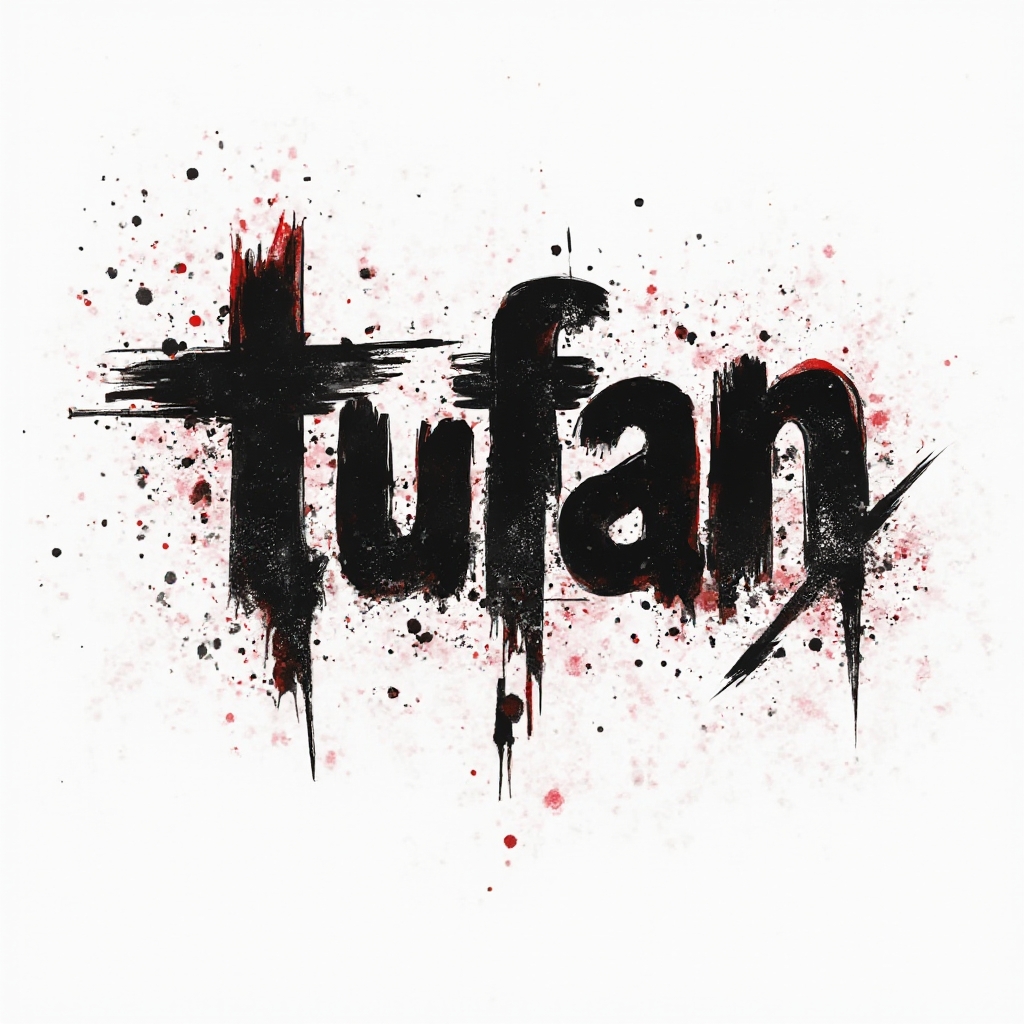
Tufan Trash Polka Contrast Lettering Tattoo
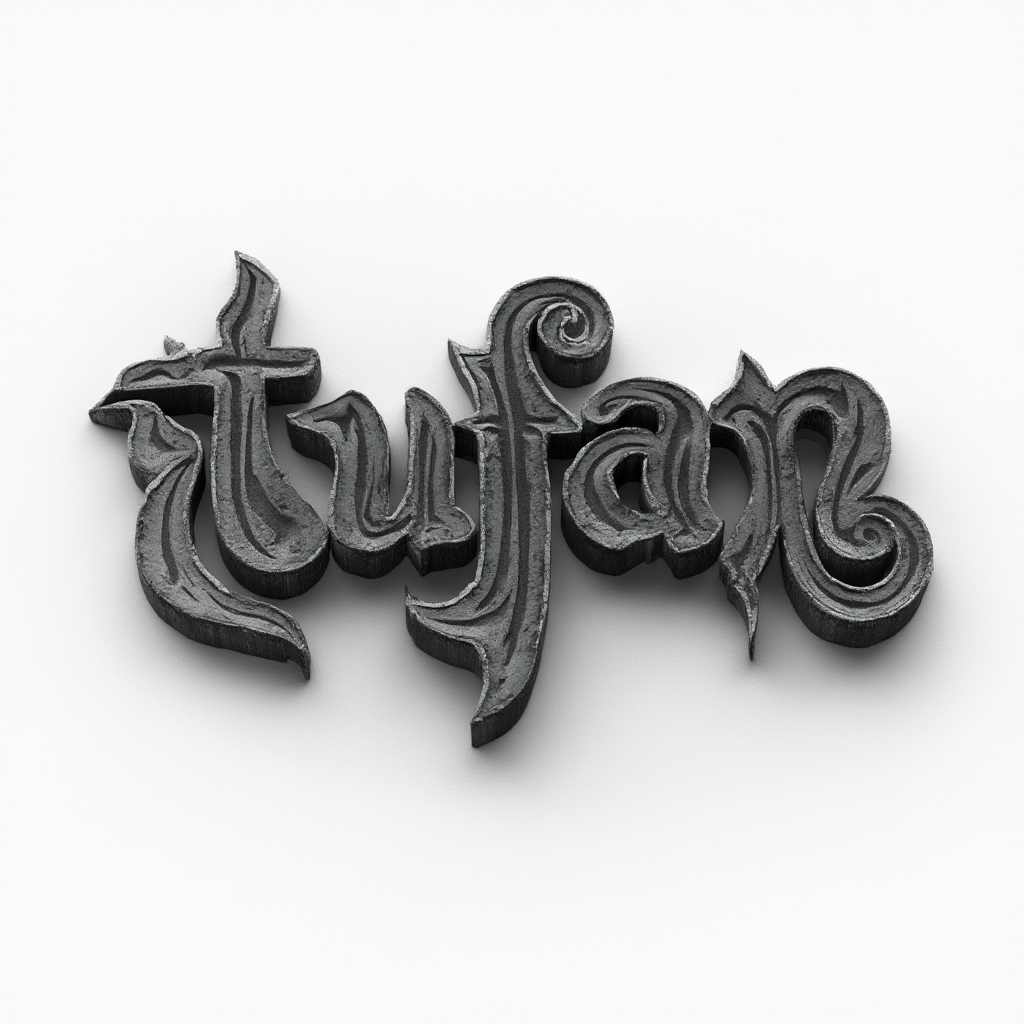
Tufan AI-Original-Style Abstract Depth Tattoo
Global distribution & gender ratio
Türkiye
96.46% of recorded usage
Female: 1.29% · Male: 98.71%
Cyprus
0.56% of recorded usage
Female: 2.78% · Male: 97.22%
Germany
0.56% of recorded usage
Female: 0.00% · Male: 100.00%
United States
0.26% of recorded usage
Female: 0.00% · Male: 100.00%
Iran
0.20% of recorded usage
Female: 15.38% · Male: 84.62%
You may also like
Similar names
Burak
In Turkish, meaning lightning, associated with speed and energy.Fırtına
Turkish for storm, highlighting strength and turbulence.Rüzgar
Means wind in Turkish, representing movement and change.Yıldırım
Meaning thunderbolt in Turkish, symbolizing power.Savaş
Translates to war or battle, evoking bravery.Deniz
Turkish for sea, indicative of vastness and depth.Kaan
Means king or ruler in Turkish, denoting leadership.Volkan
Turkish translation of volcano, linked to fiery passion.Akay
Means white moon, suggesting purity and enlightenment.Taner
Turkish for born at dawn, implying new beginnings.
Frequently asked questions about tufan
What is the meaning of the name Tufan?
The name Tufan means storm or hurricane, symbolizing strength and resilience.
What is the origin of the name Tufan?
Tufan arises from Turkish and Persian origins, representing natural phenomena.
Is Tufan a gender-neutral name?
Yes, Tufan is a gender-neutral name, used for both males and females.
How popular is the name Tufan?
Tufan is popular in countries like Turkey and Iran but less so in Western cultures.
What are some professions for people named Tufan?
Common career paths include environmental sciences, technology, and leadership roles.
What are the characteristic features of people named Tufan?
People named Tufan are often resilient, dynamic, charismatic, and innovative.
What are similar names to Tufan?
Similar names include Burak, Fırtına, and Rüzgar, among others.