
Meaning of the Name Tuğba
Cultural and Historical Origin of Tuğba
Gender Usage of the Name Tuğba
Popularity of the Name Tuğba
Global Usage and Pronunciation of Tuğba
Personality Traits Associated with Tuğba
Compassionate
Often seen as caring and emotionally supportive, valuing harmony.
Idealistic
Drawn to high moral standards and inspired by spiritual or ethical values.
Creative
Tends to express herself through art, words, or aesthetic choices.
Reliable
Can be counted on by friends and family in important moments.
Calm
Carries a soothing presence that helps ease tension in social settings.
Professional Paths Suited to the Name Tuğba
Counselor or Psychologist
Empathetic nature and listening skills support others’ emotional wellbeing.
Teacher or Academic
Patience and idealism fit roles in education and knowledge sharing.
Designer or Artist
Aesthetic sensitivity can flourish in visual, graphic, or fashion design.
Healthcare Professional
Compassion lends itself to nursing, medicine, or therapeutic careers.
Nonprofit or Community Worker
Motivated to help others and contribute to social good.
Unique and Interesting Facts About the Name Tuğba
Paradise Tree Reference
Linked to the “Ṭūbā” tree in Islamic lore, symbolizing eternal happiness.
Special Turkish Letter
The name contains the letter “ğ,” unique to Turkish, which lengthens the vowel sound.
Modern Classic
Considered a modern yet spiritually rooted classic in contemporary Turkish culture.
Poetic Usage
Frequently appears in Turkish poetry, songs, and literature as a symbol of purity and joy.
Famous People Named Tuğba
- Tuğba Büyüküstün: Award-winning Turkish actress known for TV series and films.
- Tuğba Şenoğlu: Turkish professional volleyball player who has represented the national team.
- Tuğba Ekinci: Turkish pop singer and media personality.
- Tuğba Danışmaz: Turkish triple jumper and national athletics champion.
How to Pronounce Tuğba in Turkish
/tuːˈba/ — Tuğba
- /tuː/: like “too,” with a slightly lengthened vowel created by the silent ğ.
- /ˈba/: “bah,” with the stress on this final syllable.
too-BAH
Tattoo Design Ideas for the Name Tuğba
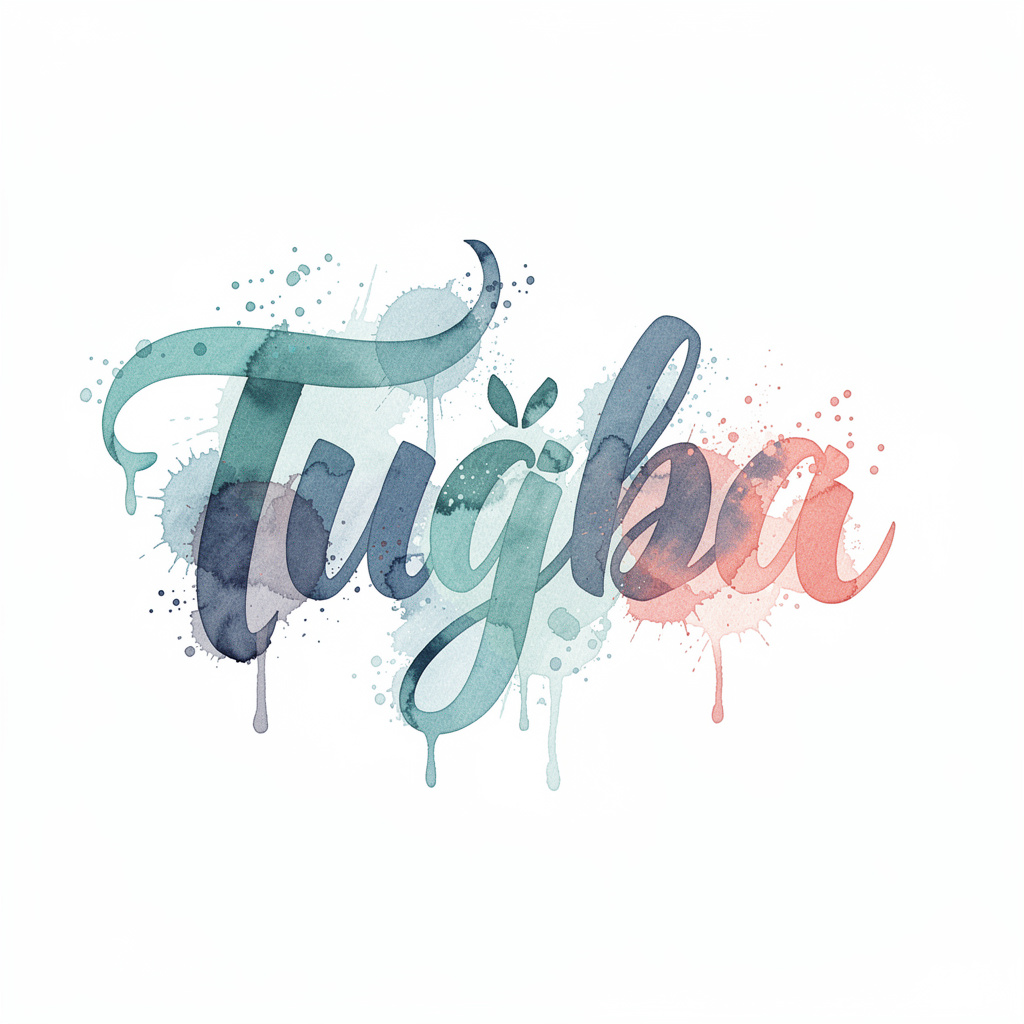
Watercolor Tuğba Name Tattoo Design

Surreal Tuğba Name Tattoo Artwork
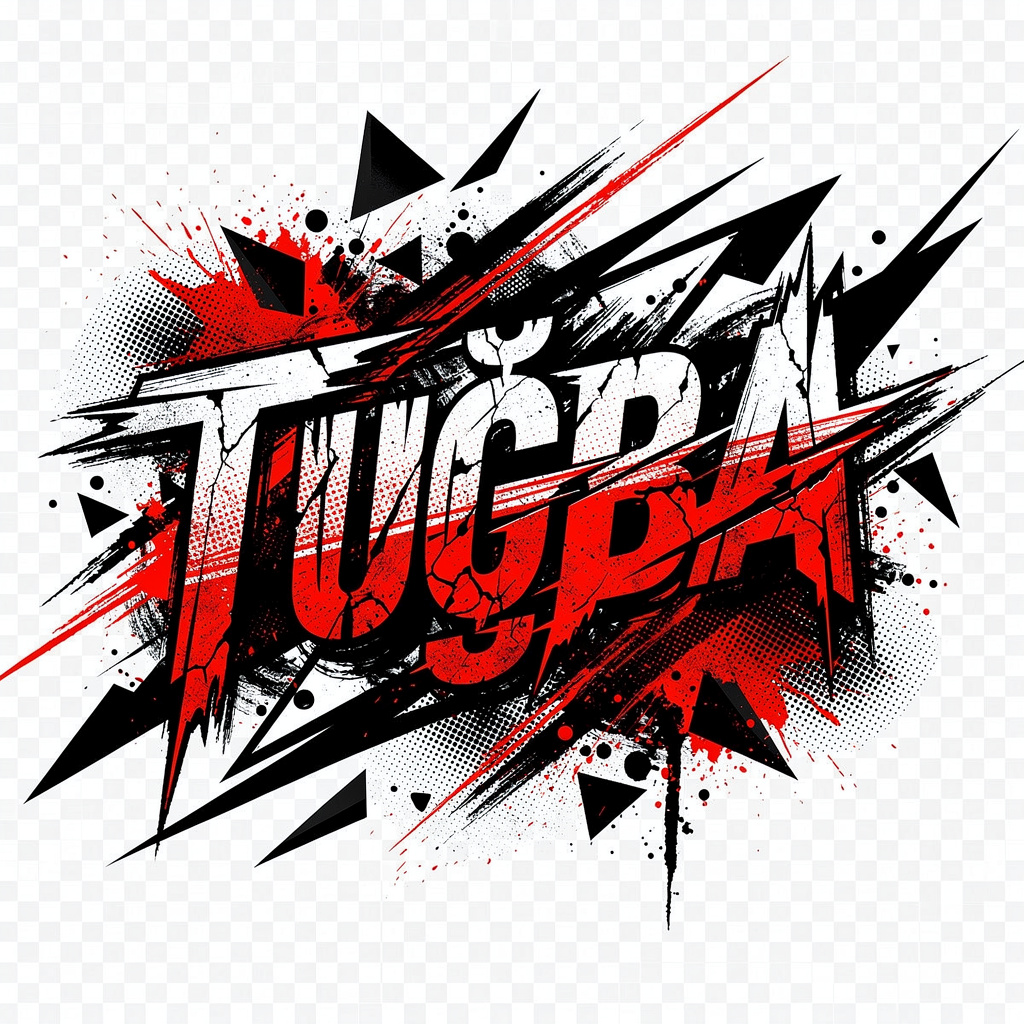
Trash Polka Tuğba Name Tattoo Concept
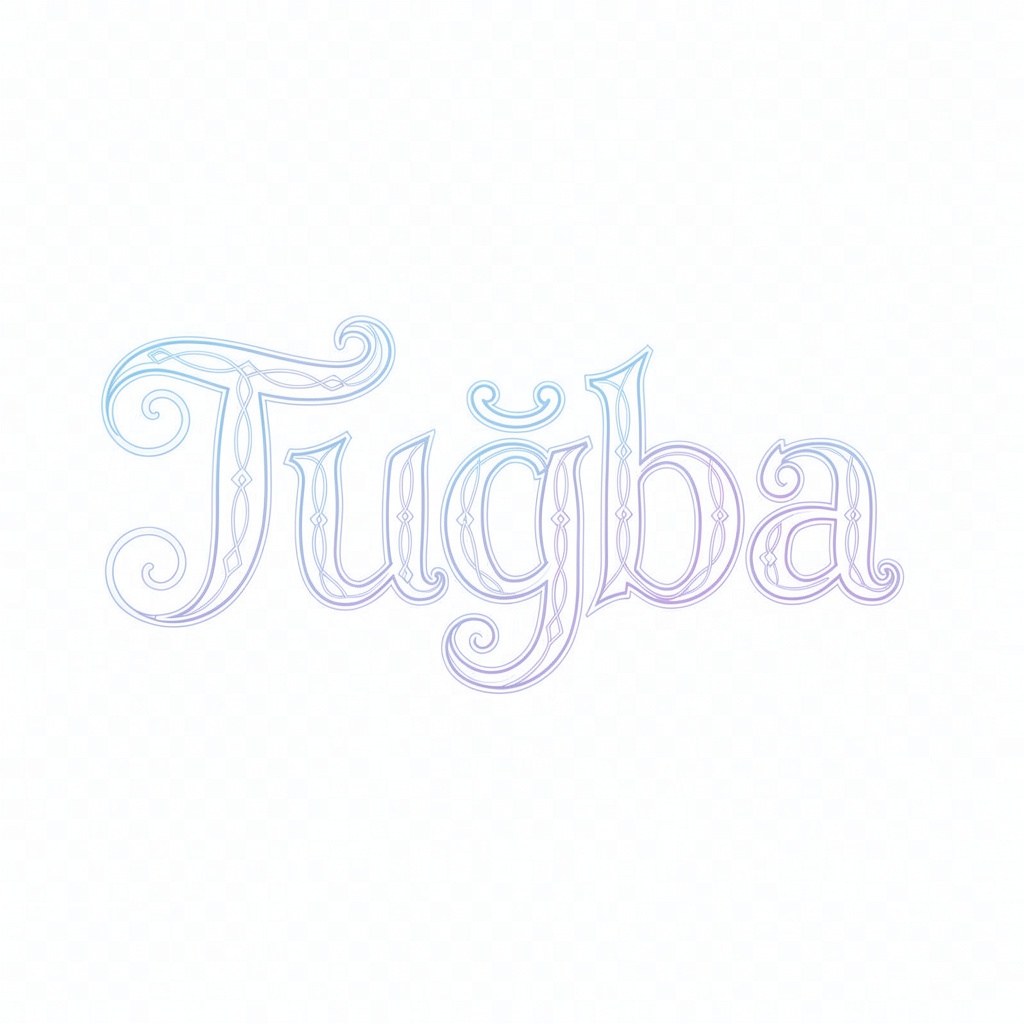
NeoAura Tuğba Name Tattoo Style
Global distribution & gender ratio
Türkiye
98.68% of recorded usage
Female: 97.99% · Male: 2.01%
Cyprus
0.32% of recorded usage
Female: 96.36% · Male: 3.64%
Germany
0.25% of recorded usage
Female: 97.70% · Male: 2.30%
United States
0.16% of recorded usage
Female: 98.15% · Male: 1.85%
France
0.07% of recorded usage
Female: 95.83% · Male: 4.17%
You may also like
Similar names
Tuba
A close variant of Tuğba, often interpreted with blessing or happiness connotations in Islamic tradition.Tuğçe
Turkish feminine name sometimes linked with grace and elegance, sharing similar sound patterns.Leyla
Widely used name with poetic associations of night and romantic beauty in Middle Eastern literature.Elif
Popular Turkish and Arabic name symbolizing nobility and grace, often chosen for its simplicity.Zeynep
Classic Turkish and Arabic name connected to ornament and beauty, very common for girls.Merve
Turkish feminine name sometimes related to purity and spiritual symbolism.Esra
Name with roots in religious tradition, associated with spiritual journey and night travel.Nisa
Name of Arabic origin meaning women or ladies, often chosen for its soft sound.Hira
Name linked to the mountain of Hira, carrying spiritual and reflective connotations.Yasmin
Internationally known name meaning jasmine flower, symbolizing fragrance and beauty.
Frequently asked questions about tuğba
What is the meaning of the name Tuğba?
Tuğba is a feminine given name associated with the tree of paradise in Islamic tradition and symbolizes happiness, blessing, and spiritual beauty.
What is the origin of the name Tuğba?
The name Tuğba originates from the Arabic concept of the heavenly 'Ṭūbā' tree mentioned in Islamic texts and became popular in Turkey and Turkish-speaking communities.
Is Tuğba a female or male name?
Tuğba is used almost exclusively as a female given name, especially in Turkey and among Turkish diaspora communities.
How do you pronounce Tuğba?
Tuğba is pronounced roughly as too-BAH, where the special Turkish letter ğ lengthens the vowel without adding a separate consonant sound.
How popular is the name Tuğba?
Tuğba has been very popular in Turkey, especially from the late 1980s to the early 2000s, and remains familiar though slightly less common among recent baby name trends.