
Meaning of the Name Vedat
Origin of the Name Vedat
Gender Association of the Name Vedat
Popularity of the Name Vedat
Global Usage of the Name Vedat
Characteristic Features of People Named Vedat
Friendly
Individuals named Vedat are often seen as warm-hearted and approachable, enjoying connections with people from all walks of life.
Peaceful
They tend to avoid conflicts, seeking harmony in their environment and relationships.
Understanding
With a keen sense of empathy, they are adept at recognizing and acknowledging others' feelings.
Reliable
Whether in personal or professional settings, Vedat is someone others can consistently depend on.
Communicative
Effective communication is a hallmark, facilitating clarity in conveying thoughts and ideas.
Common Career Paths for People Named Vedat
Diplomacy
With their peaceful demeanor and communicative prowess, Vedats often excel in careers related to diplomacy and international relations.
Education
Their understanding nature makes them exceptional educators, where they can foster environments of learning and growth.
Social Work
With empathy at their core, careers in social work provide a platform to make impactful community contributions.
Artistry
Creative fields such as music, painting, or writing can be fulfilling for Vedats, driven by their desire to express and connect.
Healthcare
The compassion and reliability associated with Vedat make for skilled healthcare professionals dedicated to patient well-being.
Unique and Interesting Characteristics of the Name Vedat
Historical Significance
In Turkish folklore, the name is often associated with mystical tales of friendship and alliance.
Literary Appearances
Vedat appears in modern literary works characterizing protagonists who embody peace and amity.
Pop Culture References
Though rare in Western cinema, it's celebrated in Turkish film and television as a symbol of loyalty.
Music Influence
Several songs within Turkish music reflect themes inspired by the name Vedat, singing praises of friendship.
Famous Figures
Prominent individuals named Vedat have contributed significantly to sports and academia, thus enhancing the name's stature.
Famous People Named Vedat
- Vedat Muriqi: Professional footballer
- Vedat Demir: Academic and writer
- Vedat Dalokay: Architect and former mayor of Ankara
Vedat Artistic Name Tattoo Collection

Vedat Watercolor Name Splash Tattoo Concept

Vedat Surrealism Name Portal Tattoo Design
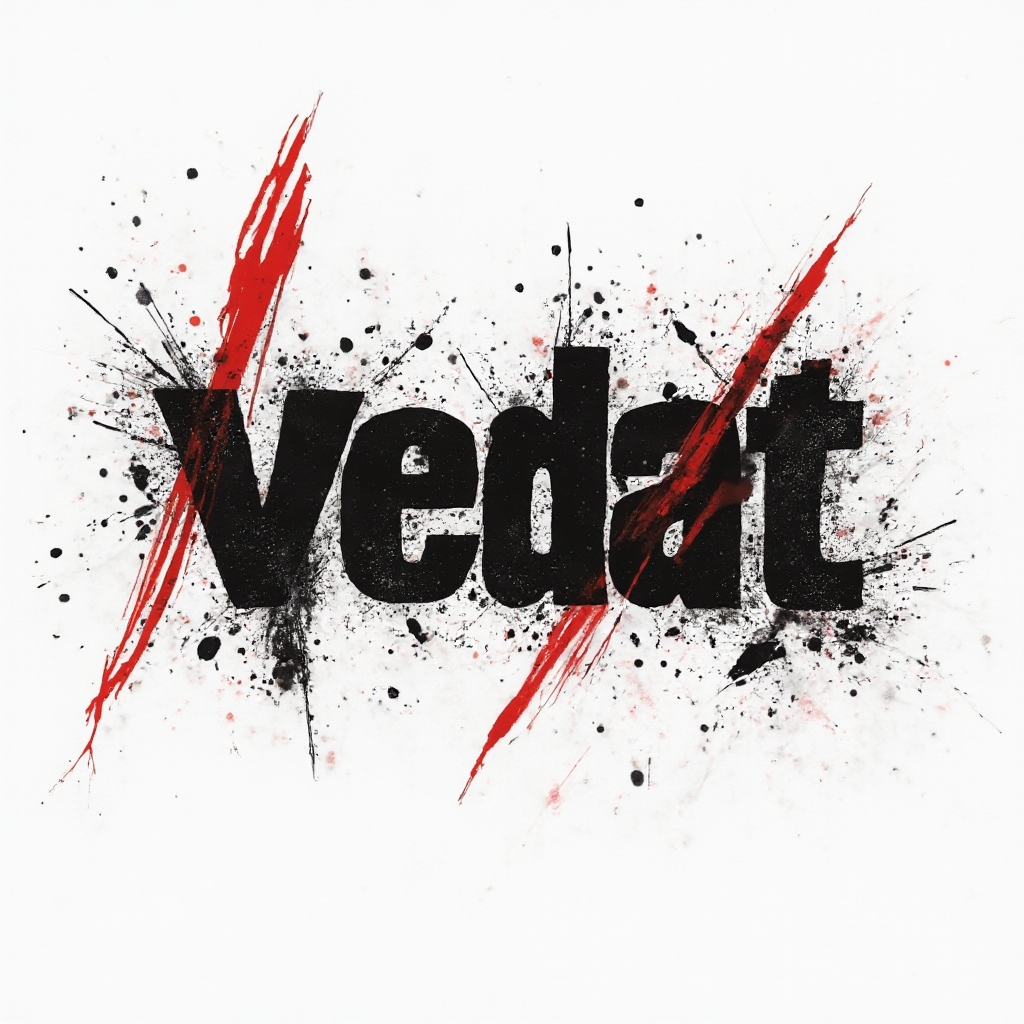
Vedat Trash Polka Bold Name Tattoo Concept

Vedat AI-Original-Style Dimensional Name Tattoo
Global distribution & gender ratio
Türkiye
97.14% of recorded usage
Female: 0.78% · Male: 99.22%
Cyprus
0.72% of recorded usage
Female: 0.85% · Male: 99.15%
Germany
0.41% of recorded usage
Female: 1.52% · Male: 98.48%
France
0.19% of recorded usage
Female: 0.00% · Male: 100.00%
United States
0.16% of recorded usage
Female: 0.00% · Male: 100.00%
You may also like
Similar names
Vedad
Vedad often means friendship and is commonly used in Bosnia and Herzegovina, closely related to the sentiments expressed by Vedat.Veli
In Turkish, Veli translates to guardian or protector, echoing the protective nature often associated with Vedat.Vedran
A name of Slavic origin meaning cheerful or joyful, Vedran shares phonetic qualities and a positive essence with Vedat.Mehmet
A common Turkish name meaning praised, similar in its widespread cultural use to Vedat.Emre
Emre, meaning friend in Turkish, captures similar relational themes as Vedat.Zeki
Meaning smart-intelligent, Zeki connects with the thoughtful nature often attributed to Vedat.Umit
This Turkish name means hope, resonating with the uplifting and positive attributes of Vedat.Talat
Meaning smile in some Turkish contexts, Talat complements Vedat's friendly nature.Ege
Meaning sea, it reflects the expansive and calming qualities present in the personality traits associated with Vedat.Can
Representing soul or life, Can is rich in culturally emotive value, akin to Vedat's depth.
Frequently asked questions about vedat
What is the meaning of the name Vedat?
Vedat is often associated with meanings such as friendship and love, embodying peaceful and compassionate qualities.
What is the origin of the name Vedat?
The name Vedat originates from Turkish culture and holds significant historical and cultural value.
Is Vedat a male or female name?
Vedat is predominantly a male name but is sometimes considered gender-neutral in certain contexts.
How popular is the name Vedat?
Vedat is most popular in Turkey and among Turkish communities, where it holds familial and cultural significance.
How is the name Vedat used globally?
Global usage of Vedat is concentrated in Turkey and the Turkish diaspora, with consistent pronunciation across languages.
What characteristics are associated with people named Vedat?
Common traits include friendliness, peace, empathy, and reliability, making them valued in personal and professional circles.
What are common career paths for people named Vedat?
Vedats often pursue careers in diplomacy, education, social work, the arts, and healthcare due to their communicative and empathetic nature.
Who are some famous people named Vedat?
Notable individuals include Vedat Muriqi, a footballer, and Vedat Demir, an academic and author.