
Meaning of the Name Vladimir
Origin of the Name Vladimir
Gender Association of the Name Vladimir
Popularity of the Name Vladimir
Global Usage of the Name Vladimir
Characteristic Features of People Named Vladimir
Leadership
Individuals named Vladimir often exhibit strong leadership qualities, driven by a natural ability to guide and influence others.
Determination
They are known for their perseverance and dedication, showing resilience in achieving their goals.
Intelligence
A common trait is a sharp mind and analytical prowess, allowing them to excel in complex situations.
Charisma
Charismatic by nature, they possess the charm and eloquence to captivate audiences and form meaningful connections.
Strategic Thinking
Vladimir often demonstrates adept strategic thinking, able to see the bigger picture and plan accordingly.
Common Career Paths for People Named Vladimir
Politics
Many named Vladimir are drawn to governance and political roles, thriving in environments where they can lead.
Business
Their strategic mindset and leadership abilities make them well-suited for executive and entrepreneurial positions.
Academics
With a penchant for learning, they frequently pursue academic careers, contributing significantly to research and education.
Engineering
Their analytical skills often lead them to professions in engineering, where problem-solving is key.
Law
The name often inclines towards law professions, where they can utilize their skills in advocacy and justice.
Unique and Interesting Characteristics of the Name Vladimir
Historical Figures
The name is famously associated with figures like Vladimir Lenin and Vladimir the Great, linking it to powerful historical narratives.
Fiction and Literature
In pop culture, Vladimir appears in significant works of literature and film, such as Vladimir Nabokov's contributions to literature.
Political prominence
In contemporary settings, namesakes such as Vladimir Putin further solidify its association with influential leadership.
Global Appeal
While rooted in Slavic history, its reach extends globally, appearing in multiple cultural contexts as a symbol of power.
Cultural Resonance
The name carries cultural weight, resonating with themes of heritage and influence.
Famous People Named Vladimir
- Vladimir Putin: President of Russia
- Vladimir Lenin: Revolutionary Leader
- Vladimir Nabokov: Author
- Vladimir Kramnik: Chess Grandmaster
- Vladimir Horowitz: Pianist
Vladimir Artistic Name Tattoo Concepts
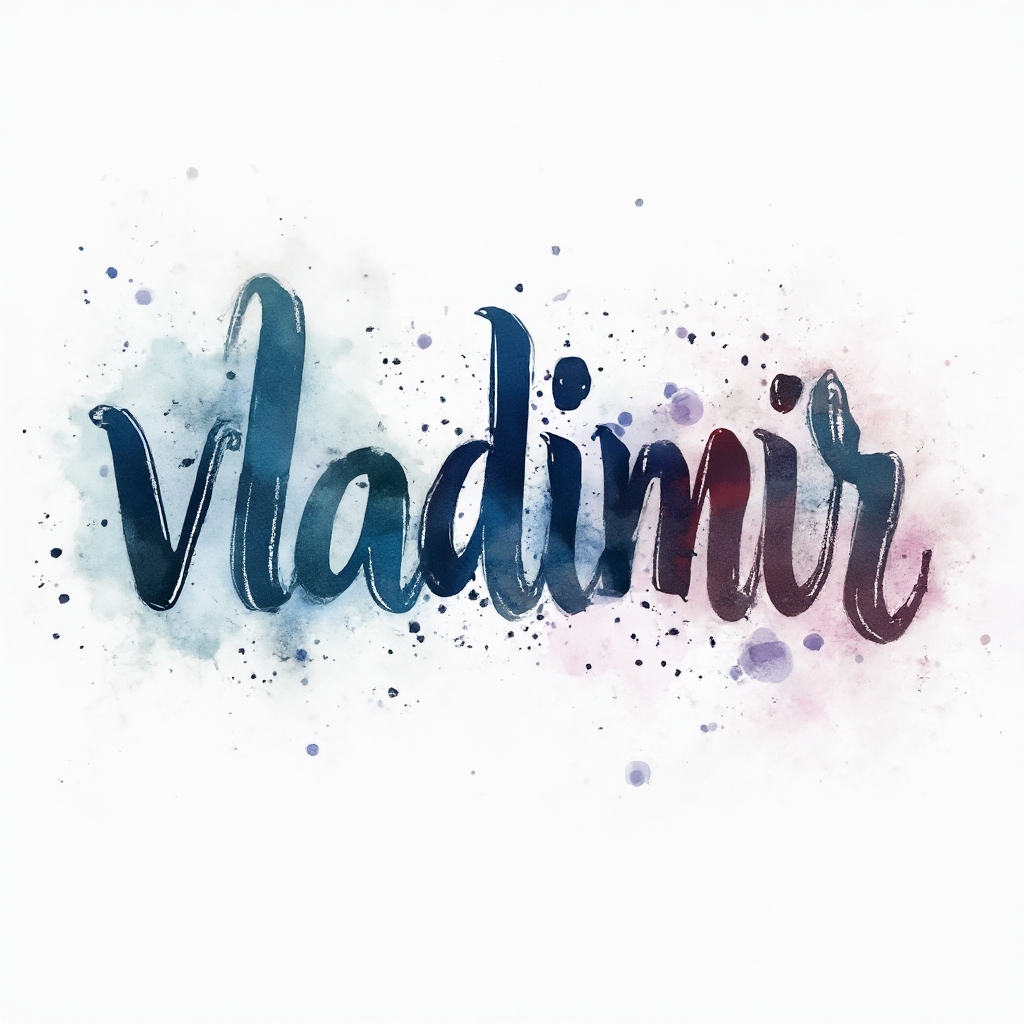
Vladimir Watercolor Name Tattoo Concept
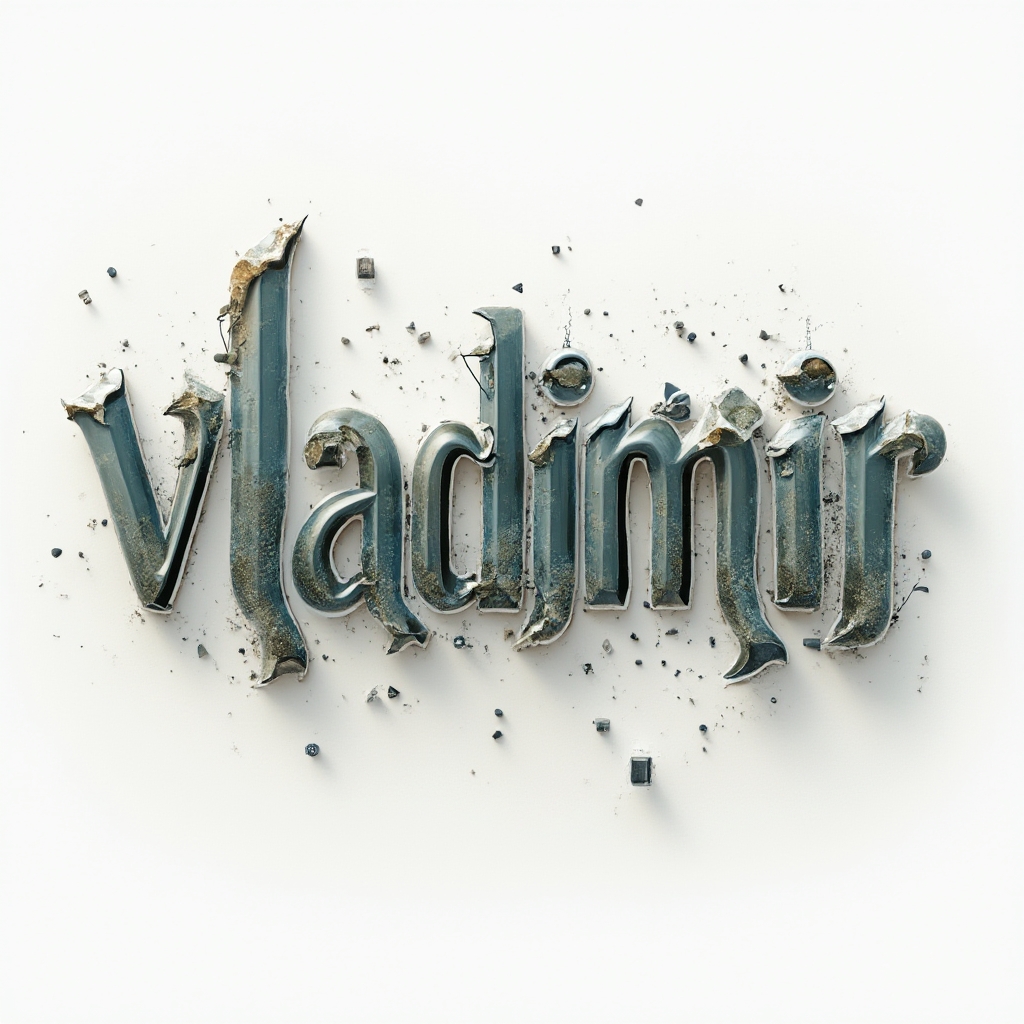
Vladimir Surrealism Name Tattoo Artwork
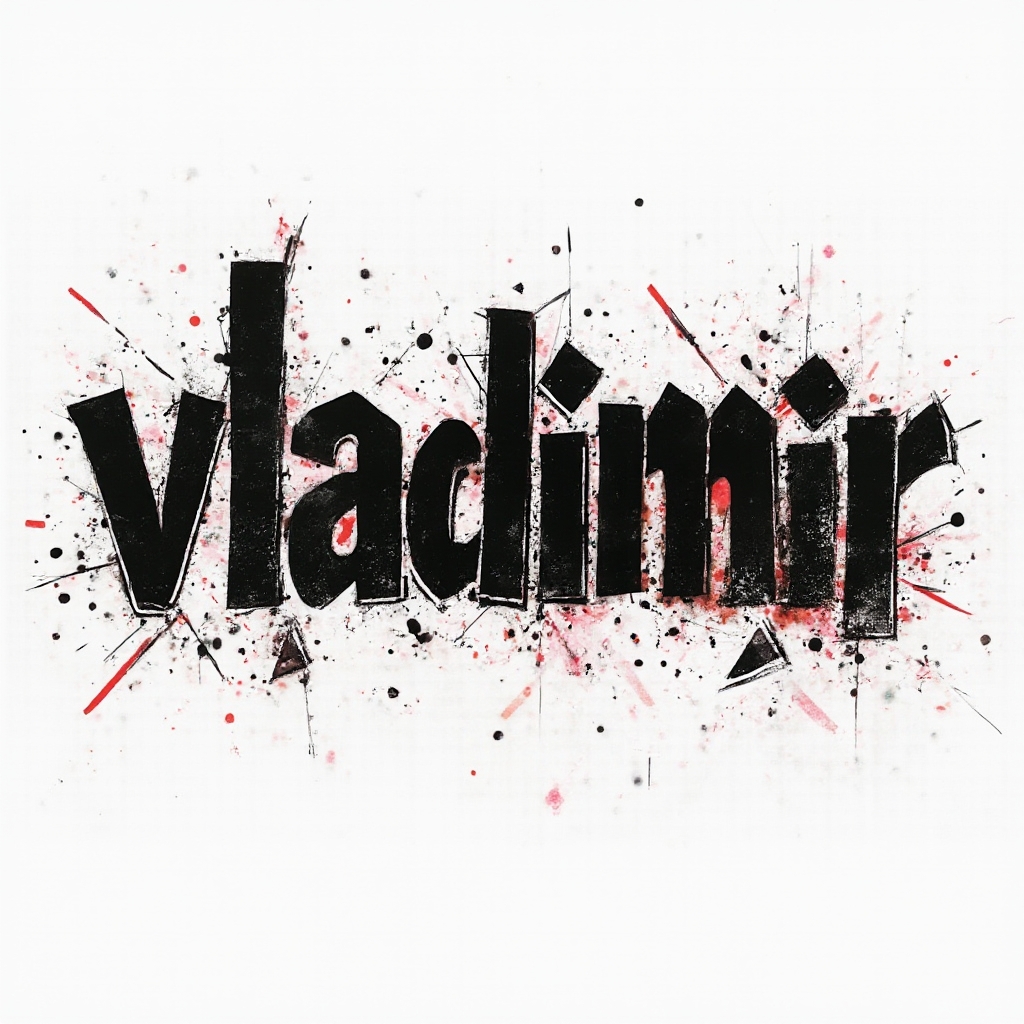
Vladimir Trash Polka Name Tattoo Concept
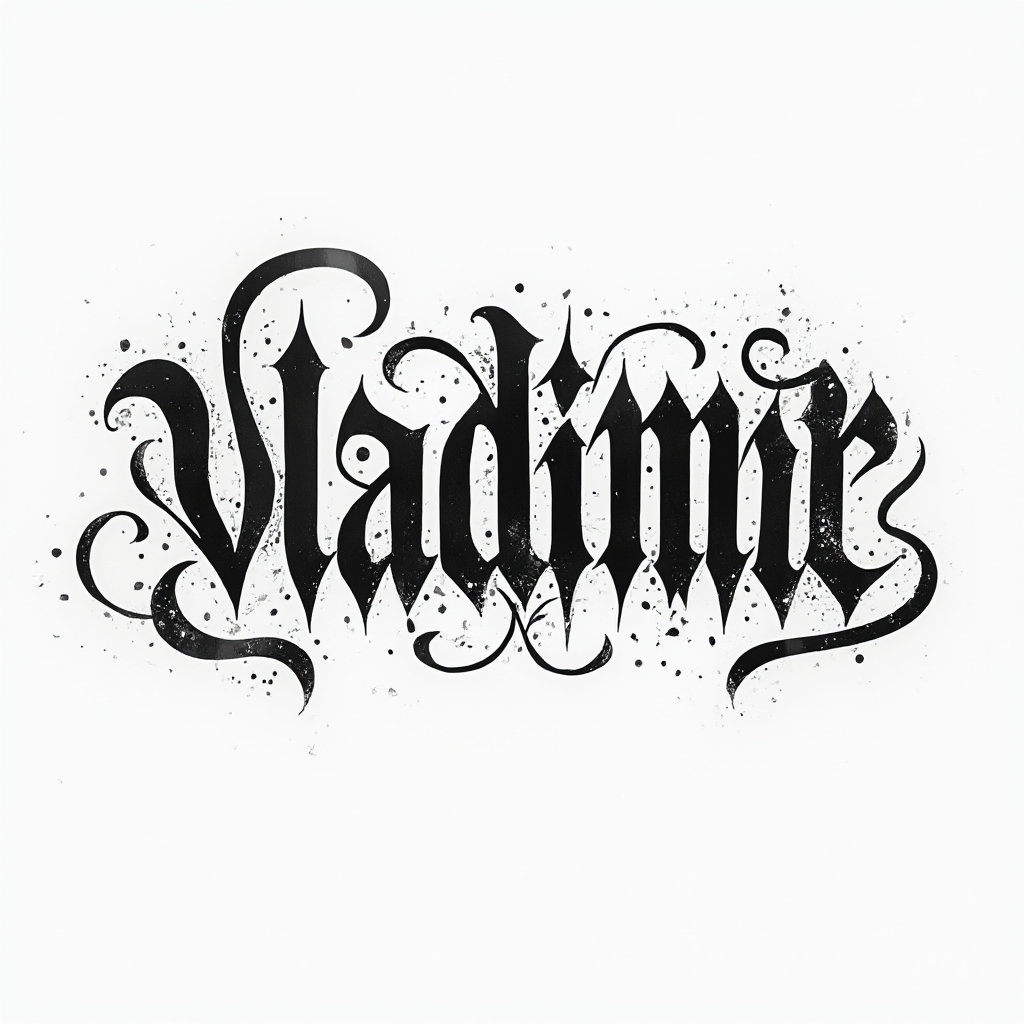
Vladimir AI-Original-Style Name Tattoo Design
Global distribution & gender ratio
Russia
42.73% of recorded usage
Female: 0.24% · Male: 99.76%
Ukraine
11.52% of recorded usage
Female: 0.29% · Male: 99.71%
Serbia
5.18% of recorded usage
Female: 0.00% · Male: 100.00%
United States
4.29% of recorded usage
Female: 0.79% · Male: 99.21%
Brazil
4.15% of recorded usage
Female: 0.27% · Male: 99.73%
You may also like
Similar names
Vladislav
A Slavic name meaning glorious rule. It shares a similar origin with Vladimir, often used in Eastern Europe.Vladan
This name also stems from Slavic roots, meaning famous ruler. It’s a strong alternative to Vladimir.Vladmir
A variation of Vladimir common in areas like Russia and the Balkans, carrying a similar meaning of strength.Vladimiric
Though less commonly used, it maintains the great power connotation associated with Vladimir.Volodymyr
The Ukrainian variant of Vladimir, emphasizing the notion of a ruler or powerful leader.Vladko
A diminutive of Vladimir, popular in several Slavic languages, meaning great ruler.Vlado
Another diminutive form, it is often used in countries like Bulgaria and Serbia.Voldero
Although rare, it's directly associated with strength and leadership, similar to Vladimir's roots.Voldemar
A Latinized version reflecting the same powerful imagery of rulership like Vladimir.Vlamir
A modern twist on the name, keeping the inherent meaning of power and rule.
Frequently asked questions about vladimir
What is the meaning of the name Vladimir?
The name Vladimir signifies a ruler or one of great power, with roots in Slavic languages.
Where does the name Vladimir originate from?
Vladimir originates from Slavic culture, particularly in Russia and Eastern Europe, derived from elements meaning 'rule' and 'great'.
What is the gender associated with the name Vladimir?
Traditionally, Vladimir is a male name, predominantly used for men in several Eastern European countries.
How popular is the name Vladimir?
The name is popular in Russia, Ukraine, and former Soviet territories, and experiences occasional use in other regions.
How is the name Vladimir used globally?
Primarily found in Slavic countries, the name also appears globally in historical and literary contexts.
What are common career paths for people named Vladimir?
People named Vladimir often pursue careers in politics, business, academics, engineering, and law.
What are the characteristic features associated with Vladimir?
Individuals named Vladimir are often seen as leaders, determined, intelligent, charismatic, and strategic thinkers.
What are some similar names to Vladimir?
Similar names include Vladislav, Vladan, Vladmir, and Volodymyr among others.
Who are some famous people named Vladimir?
Notable people include Russian President Vladimir Putin, revolutionary leader Vladimir Lenin, and author Vladimir Nabokov.