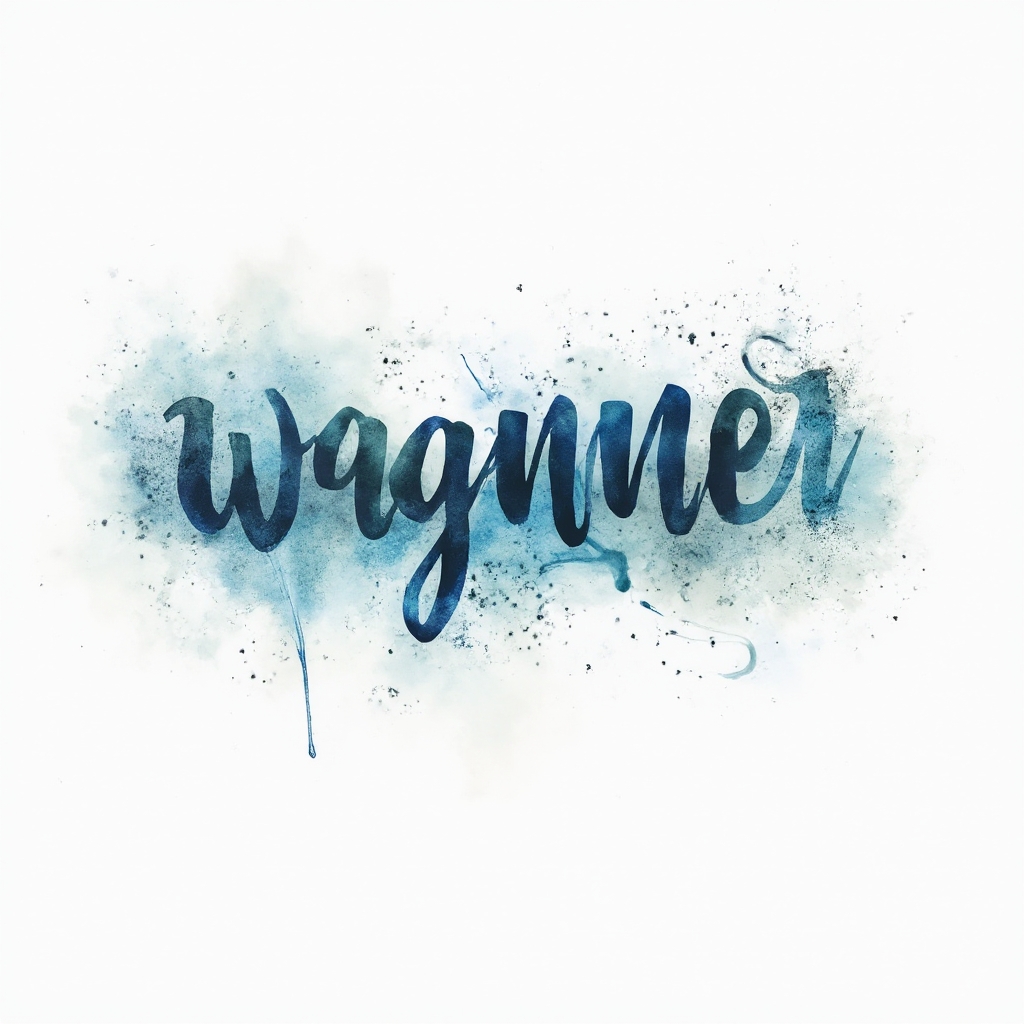
Wagner Watercolor Ink Splash Tattoo Concept
A vibrant watercolor tattoo concept where ‘wagner’ is formed by brushlike, flowing ink strokes, surrounded by soft splashes and abstract shapes on a crisp white background.

Wagner means wagon driver, rooted in German trade.
WAGNER is a German occupational name meaning “wagon driver,” symbolizing workmanship, movement, and trade. This page explores its meaning, origin, gender usage, popularity trends, and related names.
The name Wagner carries the historical meaning of wagon driver or carter. Derived from the German occupational surname, individuals with the surname Wagner were traditionally involved in transporting goods via carts pulled by horses. The elegant and stately nature of the name gives it a strong historical resonance in German-speaking regions and reflects a sense of industriousness and trade.
The name Wagner originates from Germany. Its roots are deeply embedded in German language and culture, derived from an occupational surname for 'wainwright' or wagon maker. The use of occupational surnames dates back to a time when trades were crucial for identifying individuals' professions, lending Wagner a strong connection to German heritage and traditions.
A vibrant watercolor tattoo concept where ‘wagner’ is formed by brushlike, flowing ink strokes, surrounded by soft splashes and abstract shapes on a crisp white background.
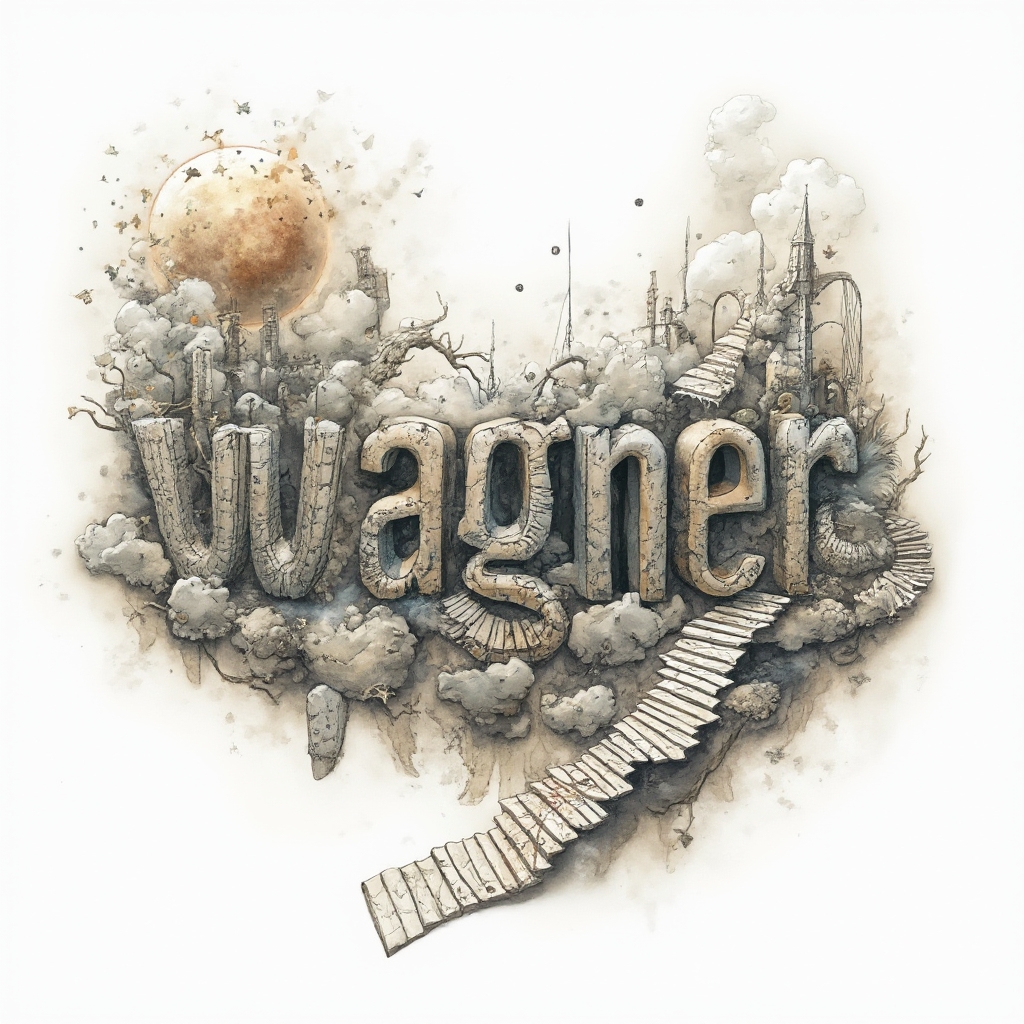
A surreal tattoo dreamscape where ‘wagner’ transforms into impossible structures, clouds, and floating fragments, bending reality while remaining legible, all on a clean white background.
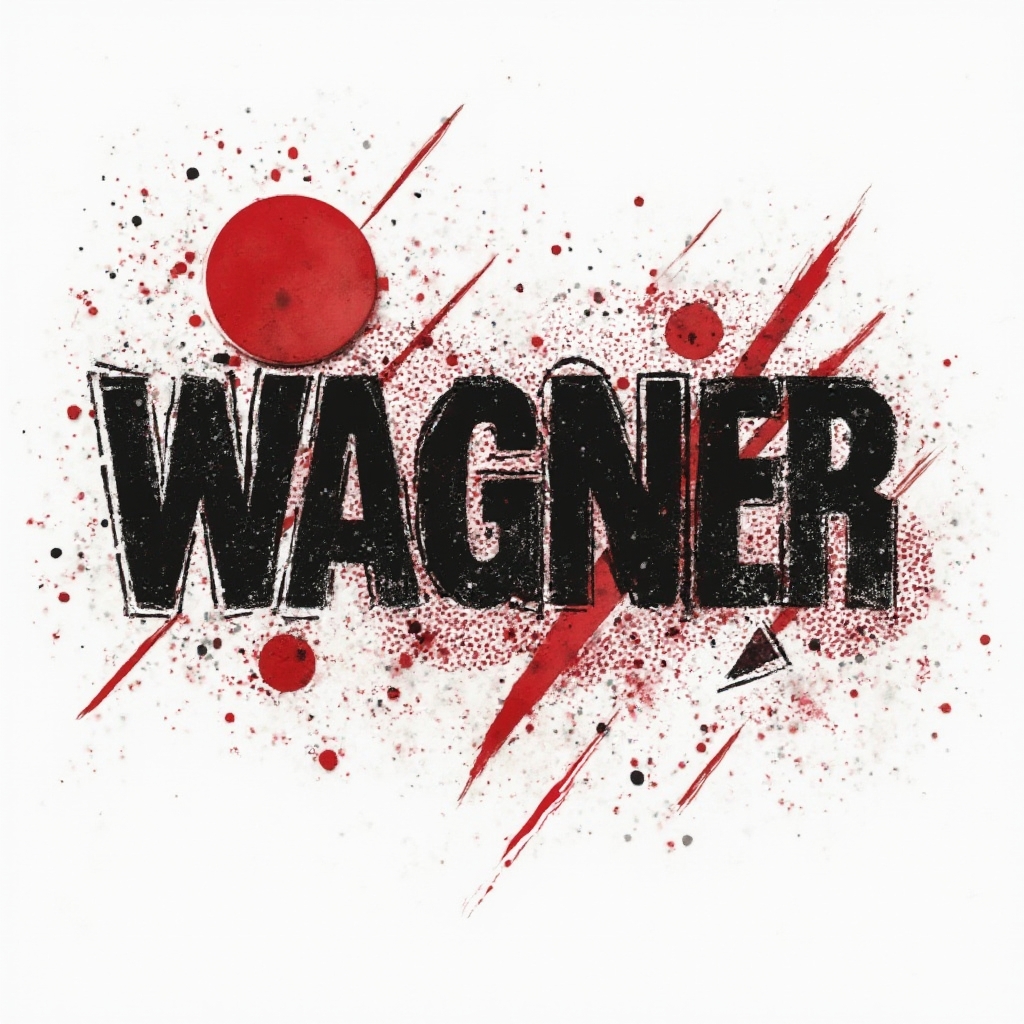
An intense Trash Polka-inspired tattoo idea where ‘wagner’ is formed with distressed black strokes and intersecting red shapes, creating a raw, high-contrast graphic on white.

A dimensional structural tattoo concept where ‘wagner’ becomes a continuous, interlocking 3D form, using light and shadow to create sculptural depth on a white background.
Though traditionally a surname, Wagner is considered gender-neutral when used as a given name today. In certain regions, it may be slightly more prevalent among males, but it is embraced by any gender, emphasizing its versatility. Prominent figures like Wagner Moura, a Brazilian male actor, and Wagner Maniçoba de Moura, a female Brazilian musician, exemplify its diverse gender representation.
The name Wagner has seen varied popularity levels globally, often more common as a surname. In some regions like Brazil and Germany, Wagner occasionally appears as a first name. Its use is marked by fluctuations, historically linked more to notable individuals such as composer Richard Wagner, boosting its recognition. Its ranking as a given name remains modest compared to its celebrated last name usage.
Globally, Wagner holds diverse uses and perceptions. In Germany, its roots, it's popular as a surname, while in Brazil and Portugal, it’s more common as a first name due to cultural influence. Pronunciation remains largely consistent across regions, although local variations may exist. Its cultural footprint also distinguishes it in music and arts sectors globally, enhancing its international recognition.
Usage and gender distribution of the name Wagner across different countries, based on data from GenderAPI.
Country-specific analysis on gender and popularity is supported by data from Gender API.
Similar in origin to Wagner, Gunther is a Germanic name meaning warrior or battler.
A traditional German name that means ruler of the army, often linked semantically to leadership.
A German name akin to Wagner, meaning guard of the army.
Latin in origin but used widely in Germany, Victor signifies conqueror or victorious.
A German name meaning wise army, reflecting intelligence and strength.
Known for meaning ruler of the home, it shares the Germanic connection with Wagner.
A strong Germanic name meaning man or freeman, historically popular.
Rooted in German mythology, Siegfried means victorious peace.
Meaning peaceful ruler, this name carries a dignified German heritage.
This German name means army of the people, emphasizing leadership and unity.
Individuals named Wagner often exhibit a strong work ethic, reminiscent of the name's occupational origins.
Inspired by notable figures like composer Richard Wagner, creativity is a common trait.
Many demonstrate a disciplined approach to tasks and responsibilities.
Possessing a natural charisma that draws others to them.
Following the legacy of figures like Richard Wagner, individuals often pursue creative arts careers.
Reflecting the name's historical links to craftsmanship and trade.
Many Wagners excel in leadership roles due to their charisma and discipline.
Their industrious nature often leads to business ventures.
Richard Wagner's operatic works popularized the name in classical music circles.
The name is celebrated in German folklore and stories, symbolizing creativity and resilience.
Used as a surname globally, it connects many families with European heritage.
Associated with medieval wainwrights, lending a historical context.
Answers to the most common questions people ask about the name Wagner.
The name Wagner signifies a wagon driver or carter, reflecting its Germanic occupational origin.
Wagner originates from Germany, derived from occupational surnames used historically to identify trades.
Wagner is considered gender-neutral, though historically more common as a surname.
While more known as a surname, Wagner is recognized as a given name in specific regions like Brazil.
The name Wagner is commonly used as a surname worldwide, with notable usage as a first name in Brazil and Portugal.
Wagners often excel in creative fields such as music and leadership roles due to their namesake’s legacy.
Individuals named Wagner are often charismatic, disciplined, and creative, reflecting their historical lineage.
Similar names to Wagner include Germanic names like Gunther, Walter, and Friedrich, sharing phonetic and cultural features.
Famous Wagners include composer Richard Wagner and actor Wagner Moura.