
Meaning of the Name Anıl
Origin of the Name Anıl
Gender Association of the Name Anıl
Popularity of the Name Anıl
Global Usage of the Name Anıl
Characteristic Features of People Named Anıl
Intelligent
People named Anıl often exhibit a keen intellect, consistently demonstrating a deep understanding of their passions and fields.
Creative
Artistic expression and original thinking are frequently attributed to those named Anıl, fostering an innovative spirit.
Charismatic
Anıls typically possess a natural charm and poise, often engaging those around them with ease and flair.
Sociable
Many Anıls are known for their interpersonal skills, thriving in environments that encourage social interaction.
Resilient
Facing challenges with tenacity, Anıls often showcase remarkable perseverance and strength of character.
Common Career Paths for People Named Anıl
Arts and Media
Anıls often excel in creative fields such as music, film, and journalism, where their artistic flair and communication skills shine.
Education
With a natural inclination towards learning, many Anıls pursue careers as educators and mentors, sharing their knowledge.
Technology
Anıls thrive in fields like software engineering and IT, where their problem-solving abilities are highly valued.
Entrepreneurship
Demonstrating leadership and innovation, many Anıls succeed in starting and managing their own businesses.
Public Relations
Utilizing their charm and networking skills, Anıls often flourish in roles focused on communication and relationship-building.
Unique and Interesting Characteristics of the Name Anıl
Pop Culture Representation
The name Anıl has been represented in Turkish literature and media, often symbolizing timelessness.
Linguistic Appeal
In languages beyond Turkish, Anıl is appreciated for its smooth and rhythmic sound, making it memorable and pleasant.
Historical Figures
Historical figures named Anıl in Turkey have been influential, contributing to fields like literature and science.
Symbol of Heritage
For diaspora communities, the name Anıl carries a significant connection to their cultural heritage and identity.
Modern Relevance
As globalization increases, the name Anıl sees renewed interest in diverse cultural settings, celebrated for its uniqueness.
Famous People Named Anıl
- Anıl Çetin: Renowned Turkish actor known for his roles in TV dramas.
- Anıl Dilaver: Professional Turkish football player competing in major leagues.
Creative Tattoo Design Prompts for the Name Anıl

Anıl Watercolor Ink Splash Tattoo Concept
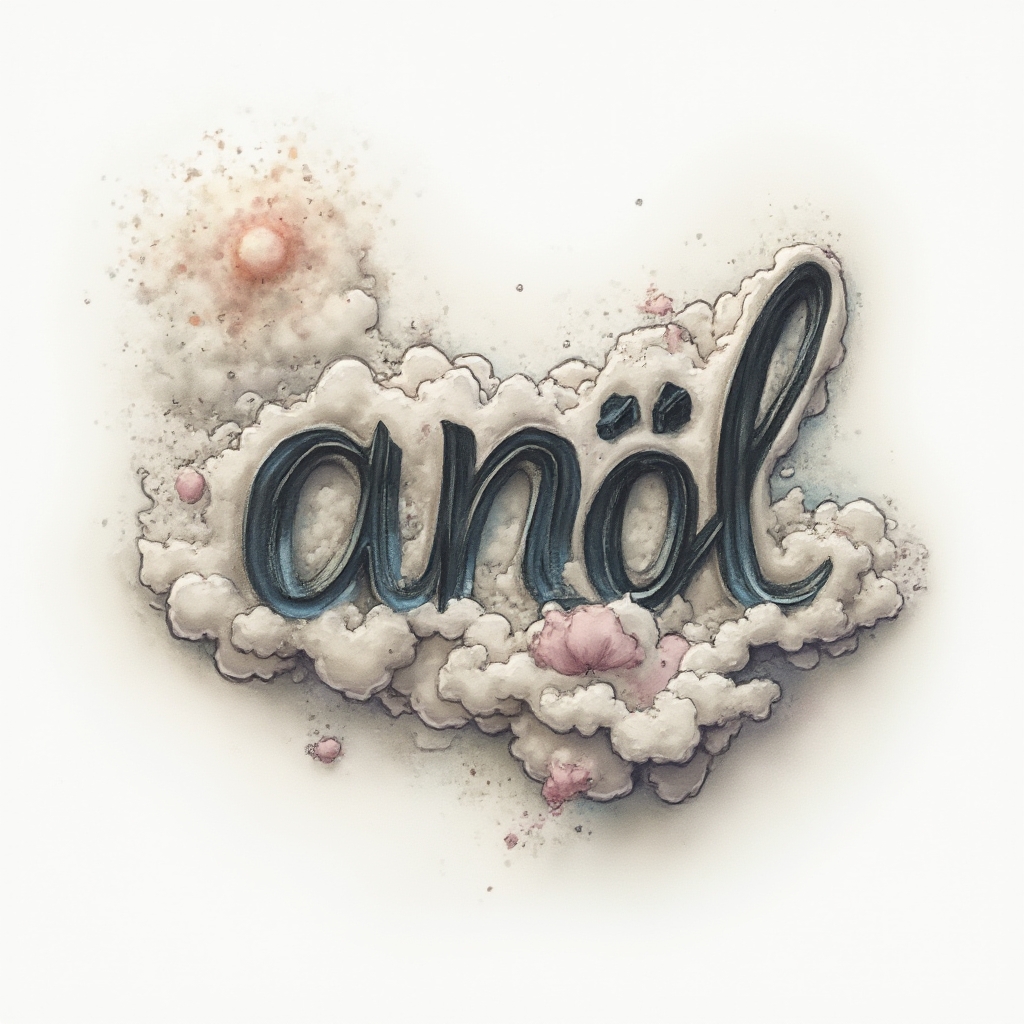
Anıl Surrealism Dreamscape Tattoo Design
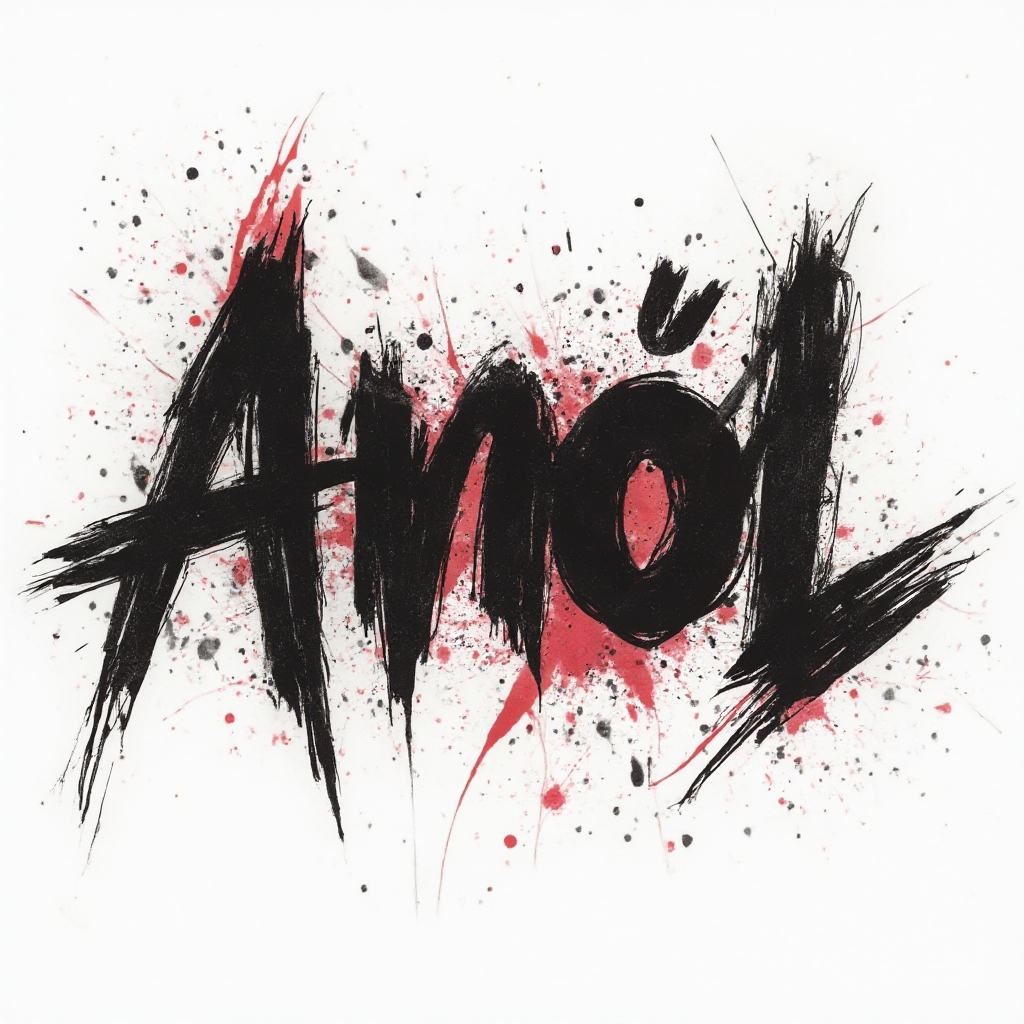
Anıl Trash Polka High-Contrast Tattoo Concept
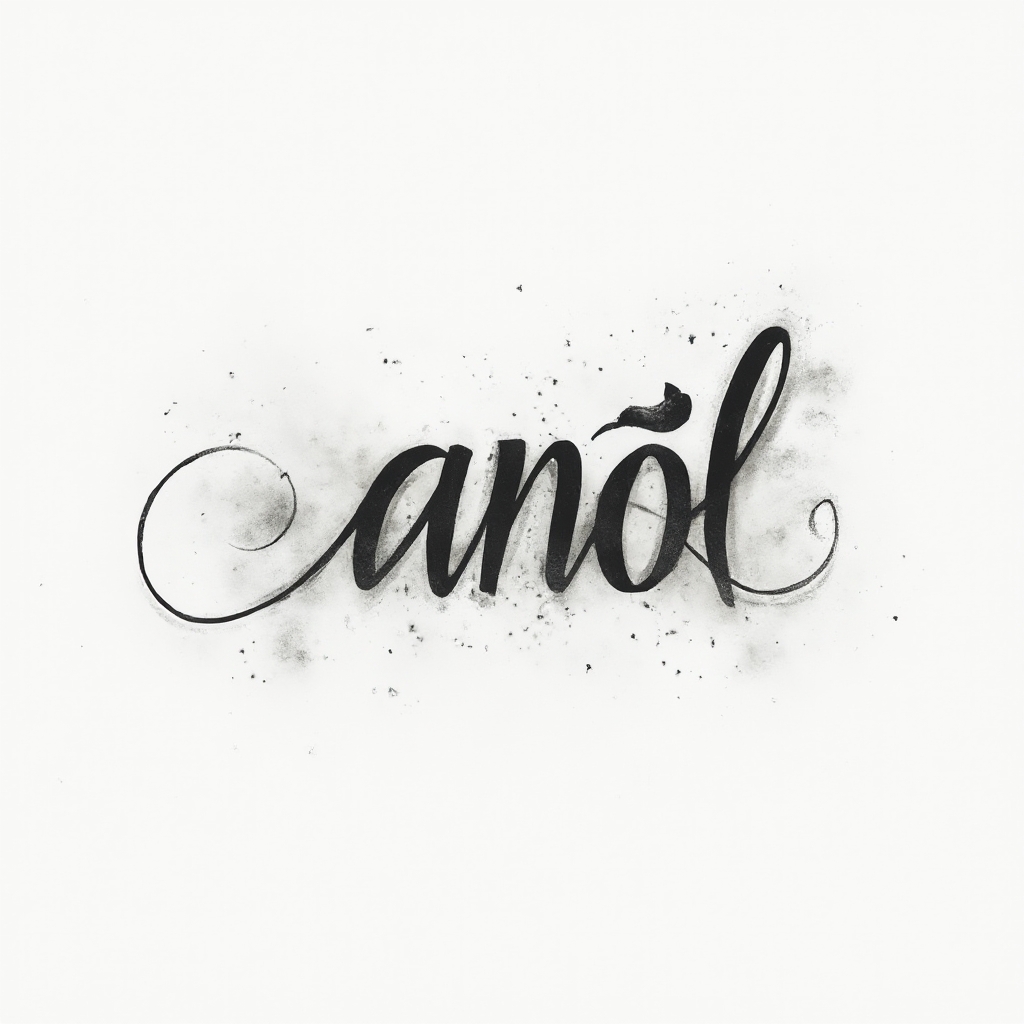
Anıl AI-Original-Style Abstract Flow Tattoo Concept
Global distribution & gender ratio
Türkiye
97.47% of recorded usage
Female: 2.54% · Male: 97.46%
Cyprus
0.71% of recorded usage
Female: 8.94% · Male: 91.06%
United States
0.21% of recorded usage
Female: 3.77% · Male: 96.23%
Germany
0.18% of recorded usage
Female: 4.44% · Male: 95.56%
Netherlands
0.10% of recorded usage
Female: 4.00% · Male: 96.00%
You may also like
Similar names
Ali
Popular in Turkey, associated with nobleness and elevation.Ata
Meaning ancestor or forefather, it often signifies respect in Turkish culture.Emir
Reflects leadership and authority, synonymous with an official or commander.Can
Symbolizing the heart or soul, it conveys affection and emotional essence.Fırat
Named after the Fırat River, often associated with continuity and abundance.Berk
Means strong or firm, often associated with resilience and robustness.Eray
Signifies dawn or new start, often related to new beginnings and aspirations.Mert
Commonly translates to brave and honest, highlighting integrity.Oğuz
Emblematic of historical and cultural warrior heritage in Turkish lore.Tuna
Inspired by the Tuna River, indicative of flow and strength in the natural world.
Frequently asked questions about anıl
What is the meaning of the name Anıl?
The name Anıl is of Turkish origin, meaning 'memorable' or 'unforgettable'.
Where does the name Anıl originate from?
The name Anıl originates from Turkey, carrying cultural and linguistic significance.
Is the name Anıl gender-specific?
Anıl is a gender-neutral name, used for both males and females, particularly in Turkey.
How popular is the name Anıl?
The name Anıl is widely popular in Turkey and sees varied levels of recognition globally.
How is the name Anıl used globally?
Anıl is primarily used in Turkey and has a presence in countries like Germany and the United States among Turkish communities.
What careers are common among people named Anıl?
Common careers for Anıl include roles in the arts, education, technology, entrepreneurship, and public relations.
What are the characteristic features of people named Anıl?
People named Anıl are often seen as intelligent, creative, charismatic, sociable, and resilient.
What are some similar names to Anıl?
Similar names include Ali, Ata, Emir, Can, Fırat, Berk, Eray, Mert, Oğuz, and Tuna.
Who are some famous people named Anıl?
Famous people named Anıl include actor Anıl Çetin and football player Anıl Dilaver.