
Meaning of the Name Bayram
Origin of the Name Bayram
Gender Association of the Name Bayram
Popularity of the Name Bayram
Global Usage of the Name Bayram
Characteristic Features of People Named Bayram
Festive Spirit
People named Bayram often embody a joyful and festive nature, bringing lightheartedness into social settings.
Community-Oriented
They are typically focused on building and enhancing community bonds, often being central figures in social gatherings.
Cultural Awareness
Having a deep understanding and appreciation for cultural traditions is common among those with this name.
Charisma
Individuals with this name are typically charming and naturally draw people towards them.
Optimism
A cheerful outlook and positivity define their approach to challenges and daily life experiences.
Common Career Paths for People Named Bayram
Community Leadership
Often taking roles that require public engagement and leadership within community frameworks.
Event Organisation
As natural facilitators, many named Bayram are drawn to roles in events management and coordination.
Cultural Roles
Careers in cultural preservation and education are common among individuals with this name.
Public Speaking
With adept communication skills, careers in advocacy, motivational speaking, or even politics are plausible.
Creative Arts
Encouraging expression through arts, music, or literature is another path frequented by those named Bayram.
Unique and Interesting Characteristics of the Name Bayram
Cultural Celebrations
Known for its association with festivals, the name often appears in contexts about national holidays like Eid.
Historical Context
Bayram has been a choice name for numerous cultural figures and poets in Turkish history.
Media Representation
Although not heavily represented in international media, it may occasionally appear in themes concerning celebration.
Literary Influence
In literature, Bayram might be depicted as a joyful, central character name.
Global Recognition
Despite its regional specificity, the essence of festivity it represents is universally recognized.
Famous People Named Bayram
- Bayram Saliev: Renowned Uzbek singer known for his traditional and popular music.
- Bayram Mustafayev: A notable Azerbaijani weightlifter with commendable records.
- Bayram Khan: Historical figure, a prominent advisor to Mughal Emperor Akbar.
Bayram Artistic Name Tattoo Concepts
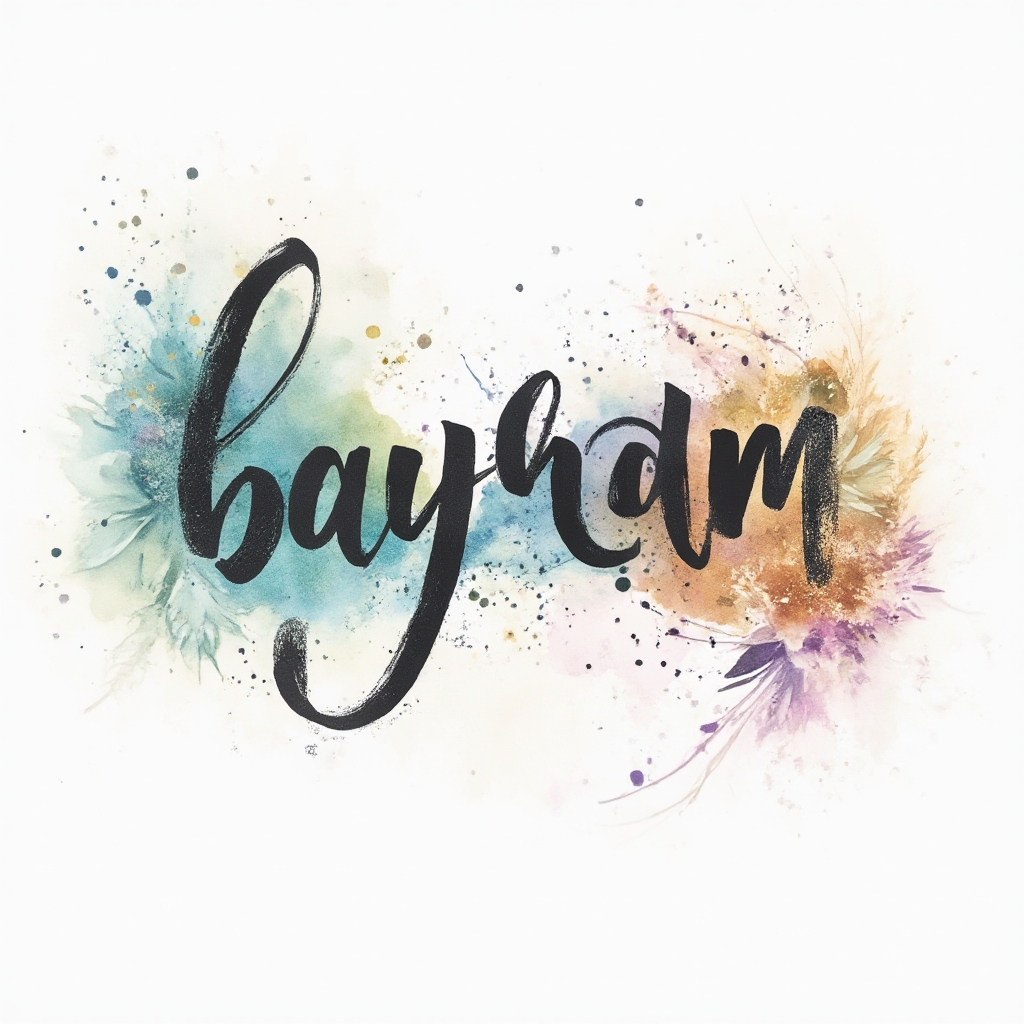
Bayram Watercolor Name Splash Tattoo
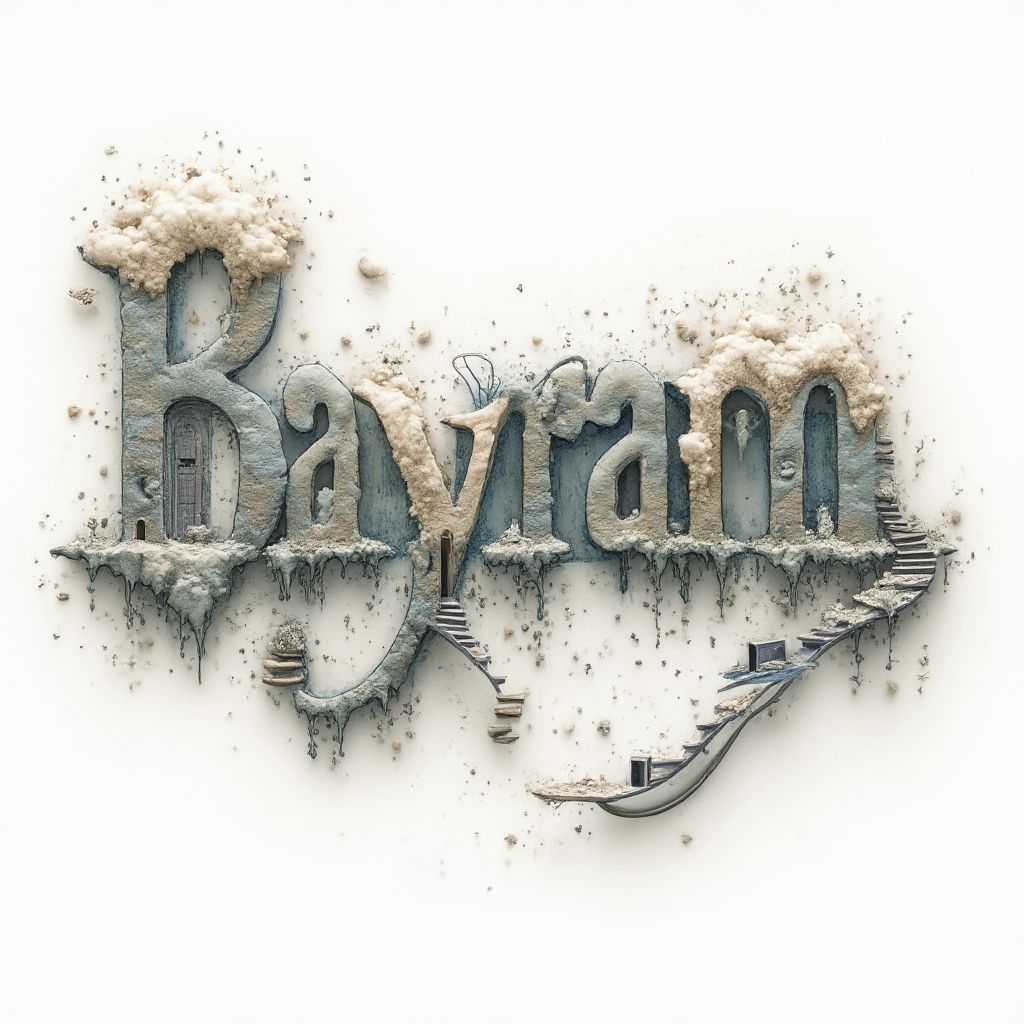
Bayram Surrealism Dreamscape Name Tattoo
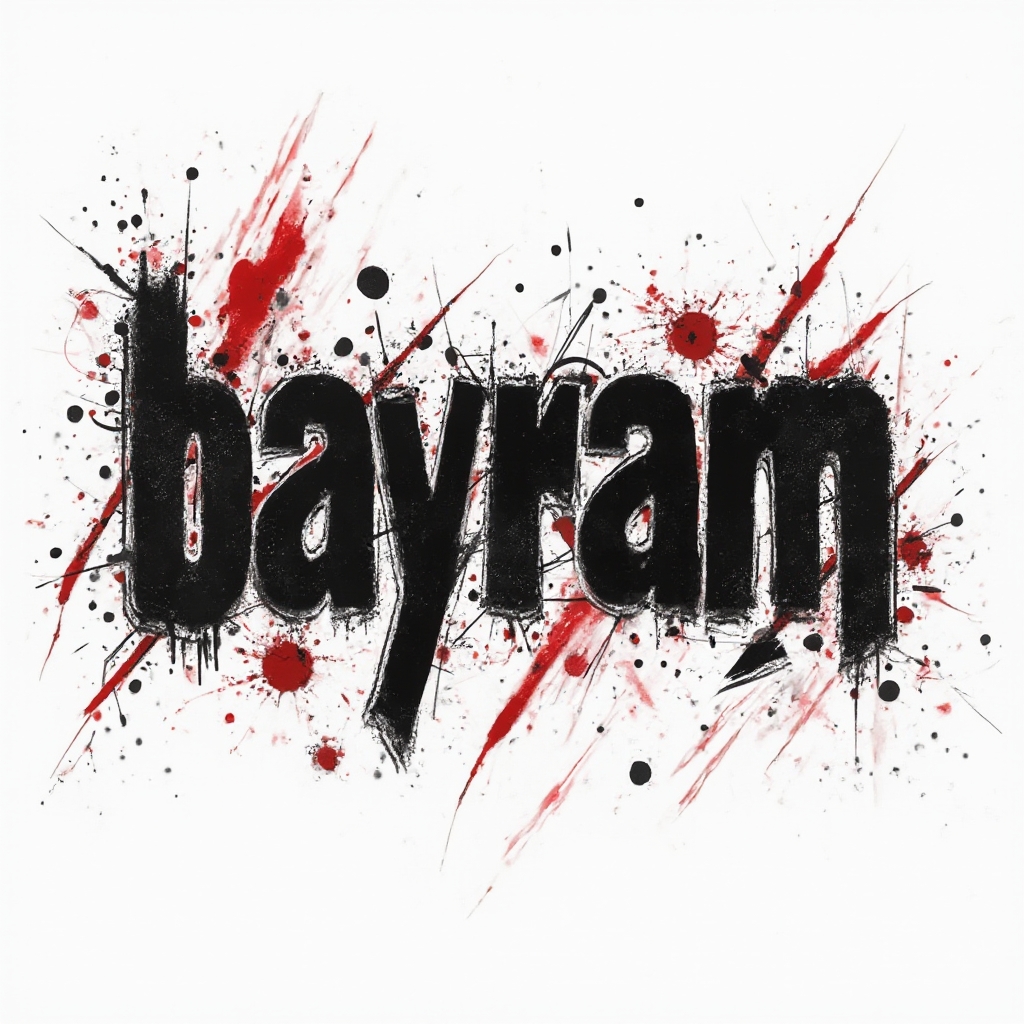
Bayram Trash Polka Contrast Name Tattoo
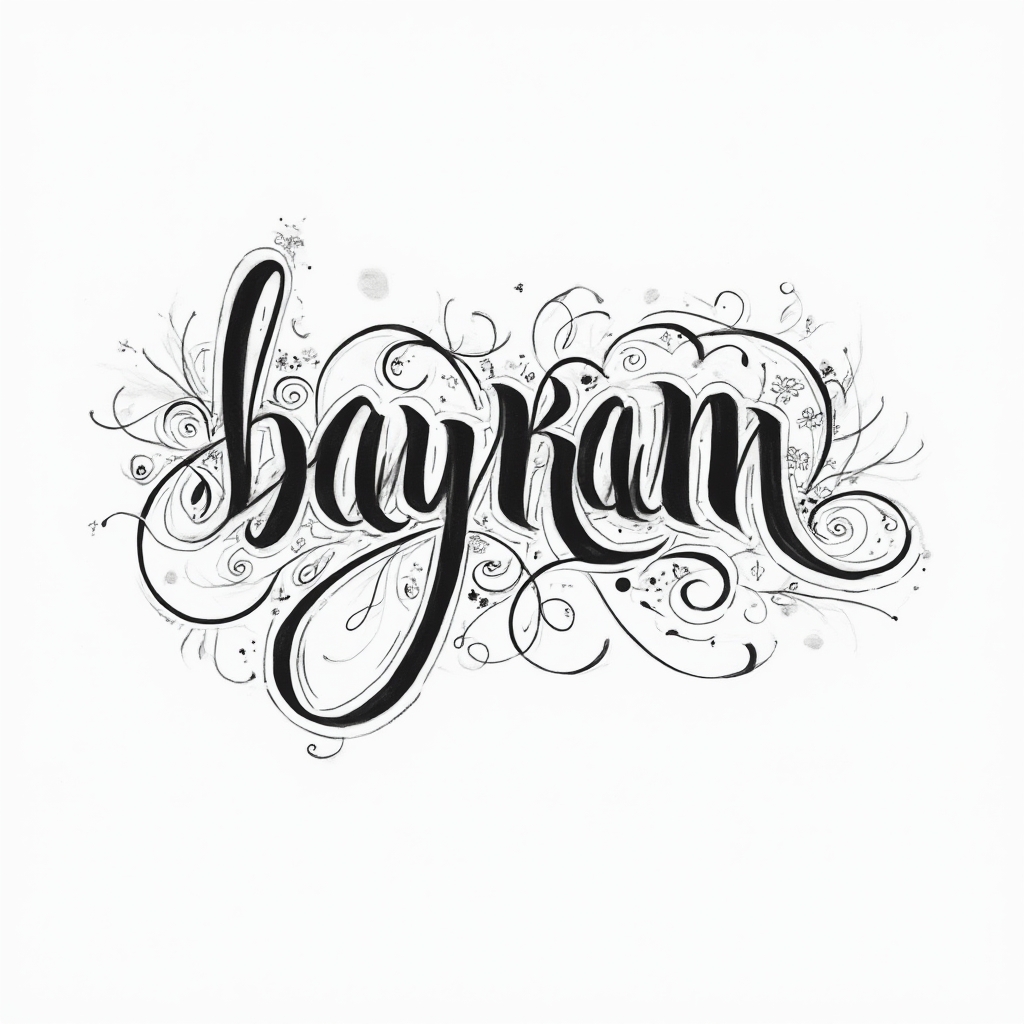
Bayram AI-Original-Style Name Flow Tattoo
Global distribution & gender ratio
Türkiye
97.65% of recorded usage
Female: 0.97% · Male: 99.03%
Cyprus
0.51% of recorded usage
Female: 0.00% · Male: 100.00%
Germany
0.26% of recorded usage
Female: 1.92% · Male: 98.08%
France
0.12% of recorded usage
Female: 0.00% · Male: 100.00%
United States
0.09% of recorded usage
Female: 10.53% · Male: 89.47%
You may also like
Similar names
Ramazan
A name closely tied to Islamic traditions, often signifies the holy month of Ramadan.Eid
Symbolizing religious festival and celebration, similar in cultural significance.Nowruz
An ancient celebration name associated with the New Year for Iranian and Turkic societies.Festus
Latin origin, joyful, and reflecting similar meanings of festivity and celebration.Navid
Persian name for good news, evoking a celebratory essence.Rana
Of Arabic origin, meaning gaze or remarkable, often used with celebratory contexts.Navroz
Associated with New Year celebrations in many Central Asian cultures.Jubair
An Arabic name meaning people's party, relevant to celebration themes.Yasmin
A name often celebrating beauty and grace, associated traditionally with joy.Revan
Originating from Asian cultures, symbolizing an ongoing journey or event.
Frequently asked questions about bayram
What is the meaning of the name Bayram?
Bayram signifies a time of celebration or festivity, symbolizing joy and community harmony.
Where does the name Bayram originate?
Bayram originates from Turkish culture, closely associated with festivals and communal celebrations.
Is Bayram a male or female name?
Bayram is primarily a male name, commonly used in Turkey and Azerbaijan.
How popular is the name Bayram?
Bayram is a traditionally significant name in Turkey and has seen fluctuating popularity over the years.
What is the cultural significance of the name Bayram?
Bayram is associated with joyous occasions and is a culturally rich name reflecting festive spirit.
What careers are common for people named Bayram?
People named Bayram often succeed in community roles, event organization, and public speaking.
What are some similar names to Bayram?
Names such as Ramazan, Eid, and Nowruz carry similar meanings of festivity and joy.
Who are some famous people named Bayram?
Famous individuals include Uzbek singer Bayram Saliev and Azerbaijani weightlifter Bayram Mustafayev.