
The Meaning Behind Diogo
Tracing the Roots: Origin of Diogo
Gender Association of the Name Diogo
Popularity of the Name Diogo
Global Usage of the Name Diogo
Characteristic Features of People Named Diogo
Curious
Individuals named Diogo often show a keen interest in exploring new ideas and learning.
Adventurous
They possess a natural disposition towards adventures and enjoy traversing uncharted paths.
Intellectual
Often perceived as deep thinkers, Diogos engage profoundly with the world around them.
Charismatic
Their ability to engage and connect with others makes them naturally charismatic.
Resilient
Diogos tend to show strength and resilience in the face of challenges.
Resourceful
They are adept at utilizing available resources creatively to solve problems.
Supportive
Known for being supportive friends, Diogos often provide a solid foundation for those around them.
Common Career Paths for People Named Diogo
Explorer
With an innate curiosity, those named Diogo often pursue careers that involve exploration, such as travel journalism or archeology.
Artist
Their creative spark often leads them towards the arts, whether it be painting, music, or acting.
Scientist
Many Diogos demonstrate a natural aptitude for the sciences, frequently drawn to research.
Educator
Given their love for knowledge, teaching becomes a rewarding path for many.
Strategists
Roles requiring foresight and planning, such as marketing or business development, often attract Diogos.
Humanitarian
They often gravitate towards careers that make positive impacts, like social work or counseling.
Leadership Roles
With their charisma, Diogos commonly thrive in leadership positions across various industries.
Unique and Interesting Characteristics of the Name Diogo
Historical Stature
Diogo Gil is credited with crucial exploratory voyages for Portugal, contributing to its rich maritime legacy.
In Literature
Diogo is a name that finds mention in numerous Portuguese tales and folk stories.
Pop Culture Icon
In modern times, various footballers and artists in Portugal have popularized the name.
Film and Media
Characters in Portuguese cinema have been named Diogo, echoing its cultural significance.
Philosophical Allusions
Diogo is often perceived as a thinker’s name, featuring in academic discussions and talks.
Culinary Associations
Some notable chefs in Portugal share the name, tying it to the culinary arts.
Musical Influence
Soundtracks and songs in Portuguese culture frequently include the name Diogo.
Famous People Named Diogo
- Diogo Jota: Professional footballer with significant contributions in England's Premier League.
- Diogo Morgado: Renowned actor known for his role in international films and series.
- Diogo Cão: Historic navigator whose expeditions significantly shaped Portuguese maritime history.
- Diogo Alves: Notorious 19th-century criminal whose legacy persists in folk tales.
Diogo Artistic Name Tattoo Concepts
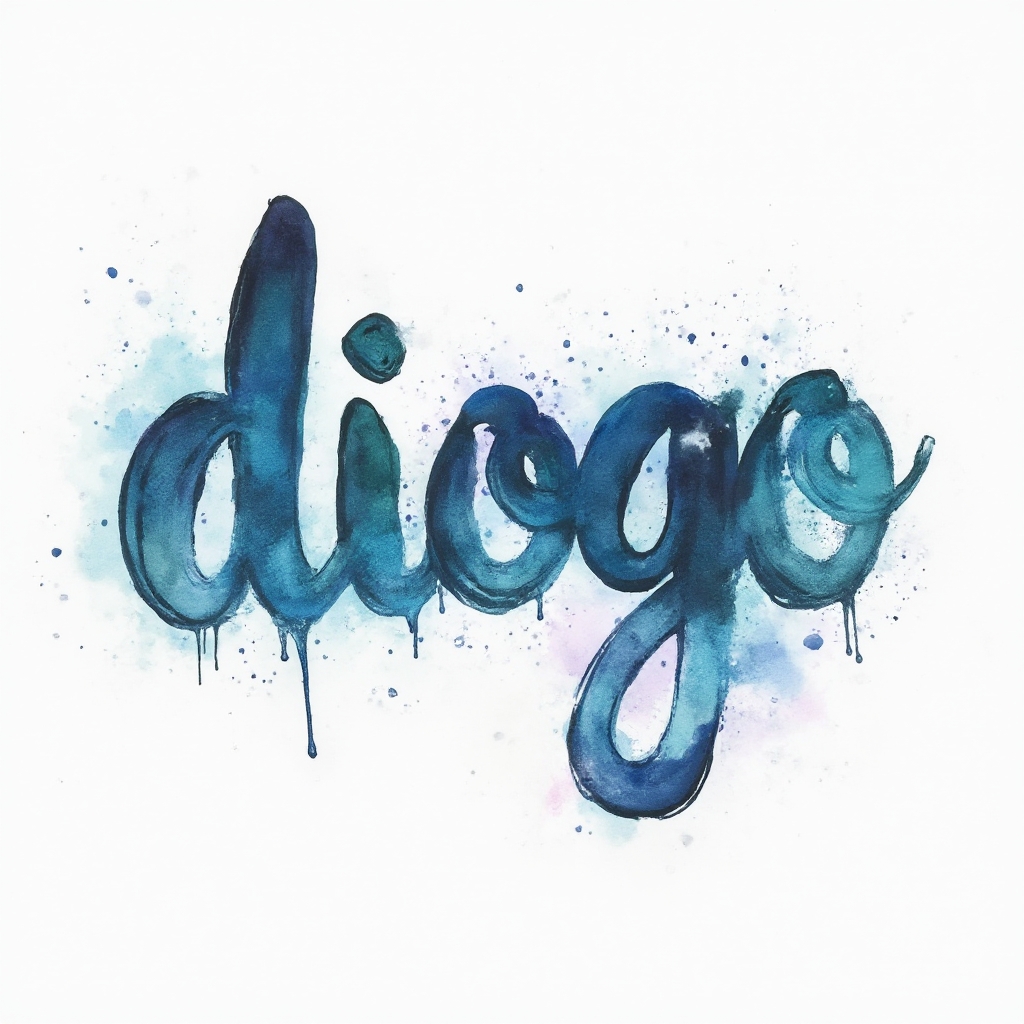
Diogo Watercolor Splash Name Tattoo Concept
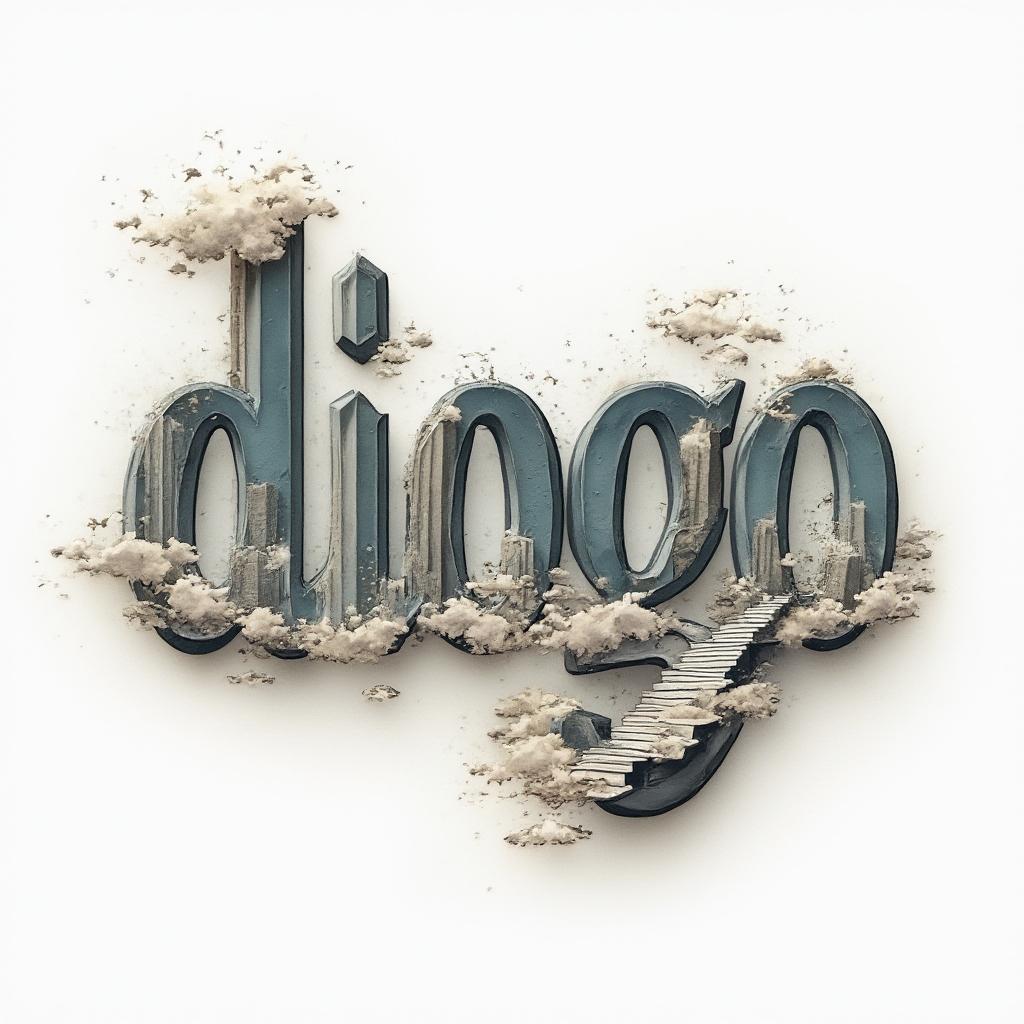
Diogo Surrealism Dreamscape Name Tattoo Concept
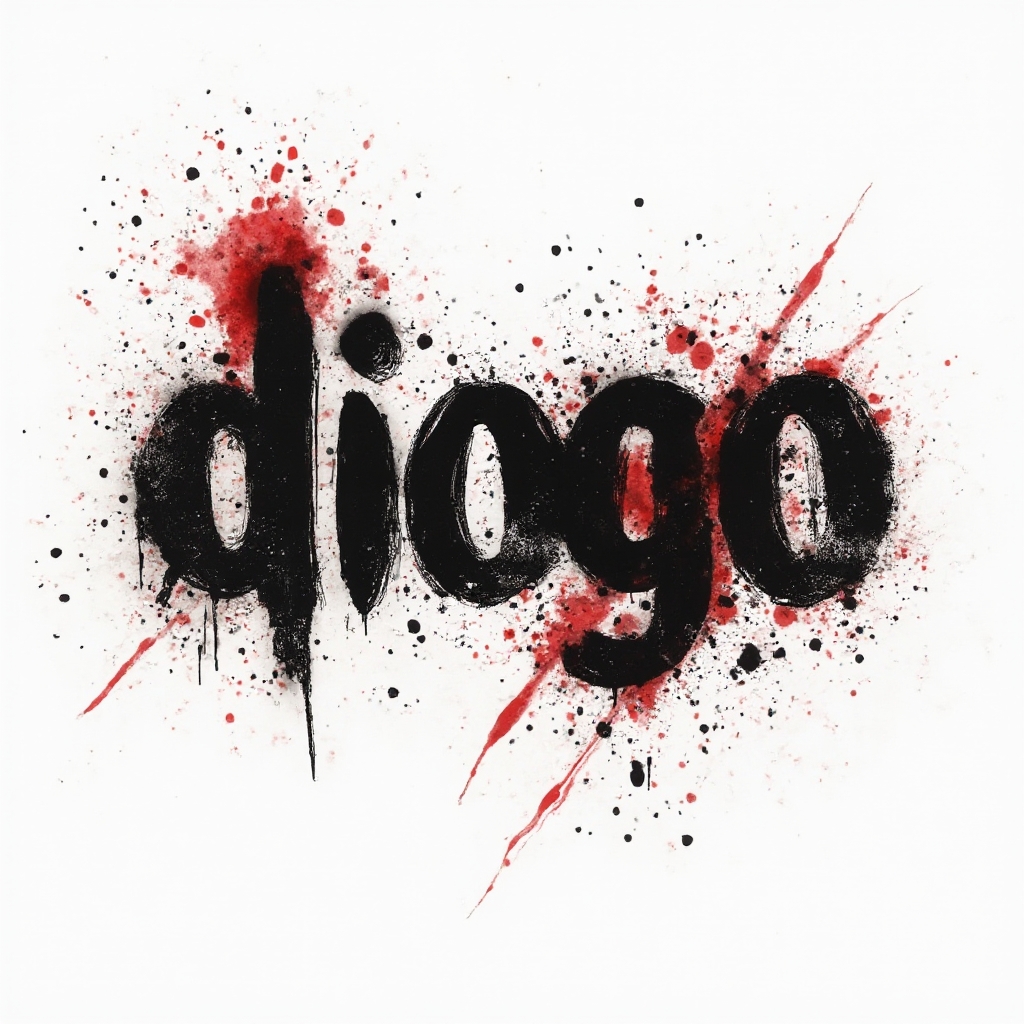
Diogo Trash Polka Contrast Name Tattoo Concept
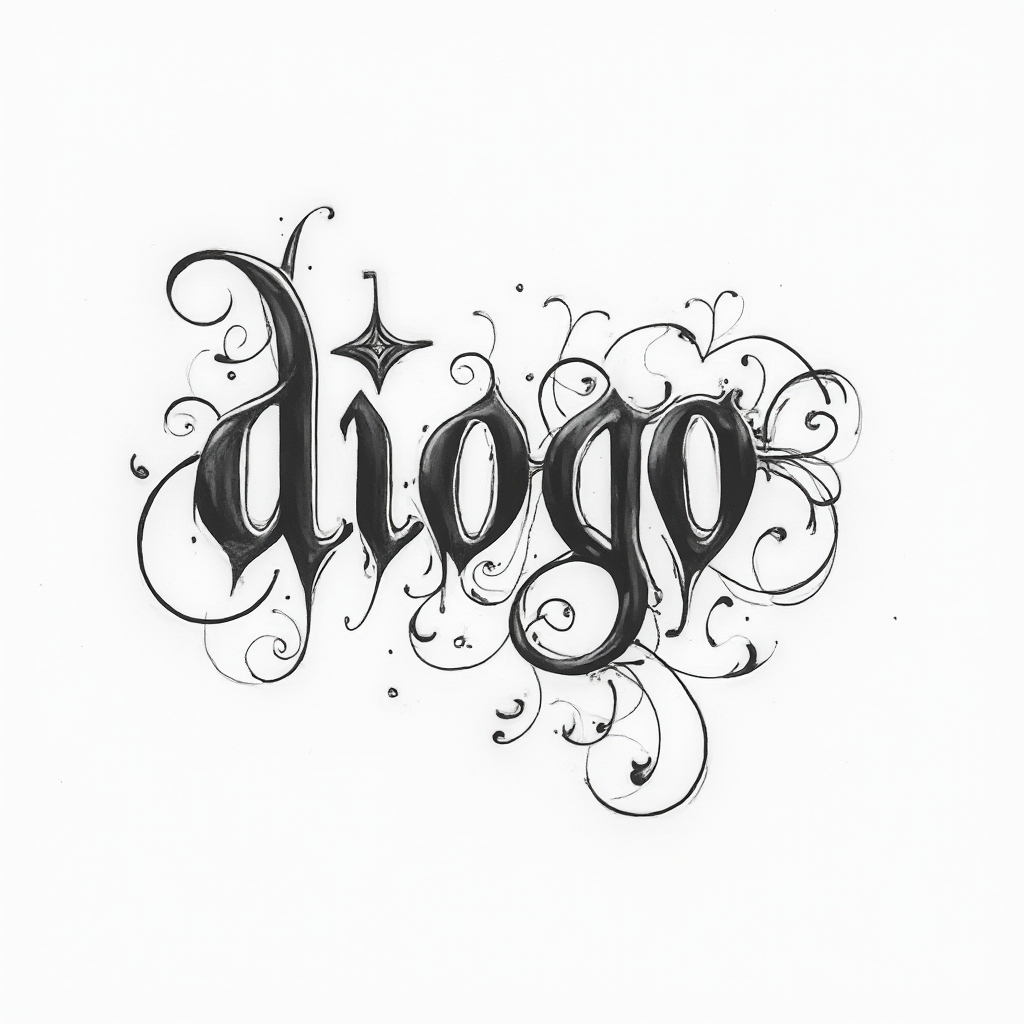
Diogo AI-Original-Style Signature Tattoo Concept
Global distribution & gender ratio
Brazil
84.94% of recorded usage
Female: 0.47% · Male: 99.53%
Portugal
9.71% of recorded usage
Female: 0.26% · Male: 99.74%
United States
1.35% of recorded usage
Female: 1.85% · Male: 98.15%
United Kingdom
0.69% of recorded usage
Female: 0.00% · Male: 100.00%
Spain
0.35% of recorded usage
Female: 0.00% · Male: 100.00%
You may also like
Similar names
Tiago
Tiago is a Portuguese variant, often associated with strength and resilience.Diego
A Spanish equivalent, known for its global appeal and historic significance.Santiago
Imbued with the spiritual significance of the Camino de Santiago, this name resonates with pilgrimages.Thiago
Popular in Brazil, this variant speaks to the joy and celebratory nature of its bearers.Matias
Close in phonetic sound, often tied to divine blessings and guidance.Rafa
A short form that denotes healing and guidance through spirituality.James
English counterpart with a strong heritage, associated with leadership roles.Iago
Known more as a literary name from Shakespeare, related in meaning to supplanting.Nuno
Reflects pioneering spirit, an essential quality attributed to Portuguese explorers.Miguel
Tied to the archangel Michael, emphasizing protection and strength.
Frequently asked questions about diogo
What does the name Diogo mean?
The name Diogo is often associated with learning, knowledge, and the wanderer's quest for truth.
Where does the name Diogo originate from?
Diogo originates from the Portuguese-speaking regions, with deep cultural roots in Portuguese and Spanish traditions.
Is Diogo a male or female name?
Diogo is predominantly a male name, widely used in Portuguese-speaking countries.
How popular is the name Diogo?
Diogo ranks high in popularity in Portugal and Brazil, with its namevariations known in other Spanish-speaking regions.
How is the name Diogo used globally?
In various cultures, Diogo is embraced with slight phonetic changes, maintaining a strong presence in places like Brazil and Portugal.
What careers are common for people named Diogo?
Typical careers for Diogos include scientific research, artistic endeavors, and leadership roles in business environments.
Who are some famous individuals named Diogo?
Famous Diogos include athletes like Diogo Jota, actors like Diogo Morgado, and historical figures such as Diogo Cão.