
The Meaning of Emirhan
The Origin of Emirhan
Gender Association of the Name Emirhan
Popularity of the Name Emirhan
Global Usage of the Name Emirhan
Characteristic Features of People Named Emirhan
Leadership
Individuals named Emirhan often exhibit strong leadership qualities, often taking charge in group settings with a natural ability to guide and inspire others.
Charisma
Possessing a compelling charm or appeal, many Emirhans are known for their ability to attract and influence those around them.
Determination
A steadfast resolve to achieve their goals marks Emirhan's journey; they exhibit perseverance even in challenging situations.
Intelligence
Known for quick thinking and problem-solving skills, Emirhans are often valued for their ability to analyze and understand complex scenarios.
Loyalty
Displaying deep dedication to friends and family, Emirhans are often faithful companions who stand by their loved ones.
Common Career Paths for People Named Emirhan
Leadership Roles
Given their inherent leadership capabilities, individuals named Emirhan often flourish in managerial or executive positions.
Entrepreneurship
Many Emirhans possess a penchant for business, thriving as entrepreneurs who build and lead successful ventures.
Political Careers
With strong communication skills and a knack for influencing, some Emirhans pursue careers as diplomats or politicians.
Engineering and Technology
The analytical and innovative nature of Emirhans makes them well-suited for careers in science and technology.
Creative Arts
Artistic inclinations lead some Emirhans to excel as writers, designers, or performers in the creative industries.
Unique and Interesting Characteristics of the Name Emirhan
Cultural Heritage
Emirhan carries a depth of historical meaning that ties present-day individuals to the rich legacy of Turkish and Asian nobility.
In Pop Culture
Occasionally appearing in Turkish films and literature, the name symbolizes honorable and powerful characters reflecting its historical roots.
Notable Figures
There are few famous figures in sports and academia named Emirhan, bringing attention to the name’s prestigious and intellectual representations.
Historical Significance
Stemming from Ottoman and pre-Ottoman times, the name signifies a noble lineage and leadership that transcends generations.
Modern Day Connections
While deeply traditional, Emirhan continues to hold modern-day appeal, popular within Turkish expatriate communities.
Famous People Named Emirhan
- Emirhan Çiftçi: Turkish soccer player known for his skill and impact in national leagues.
- Emirhan İlkhan: Renowned academic contributing significantly to research in technology and innovation fields.
Artistic Tattoo Concepts for the Name Emirhan

Emirhan Watercolor Splash Lettering Tattoo

Emirhan Surreal Dreamscape Lettering Tattoo
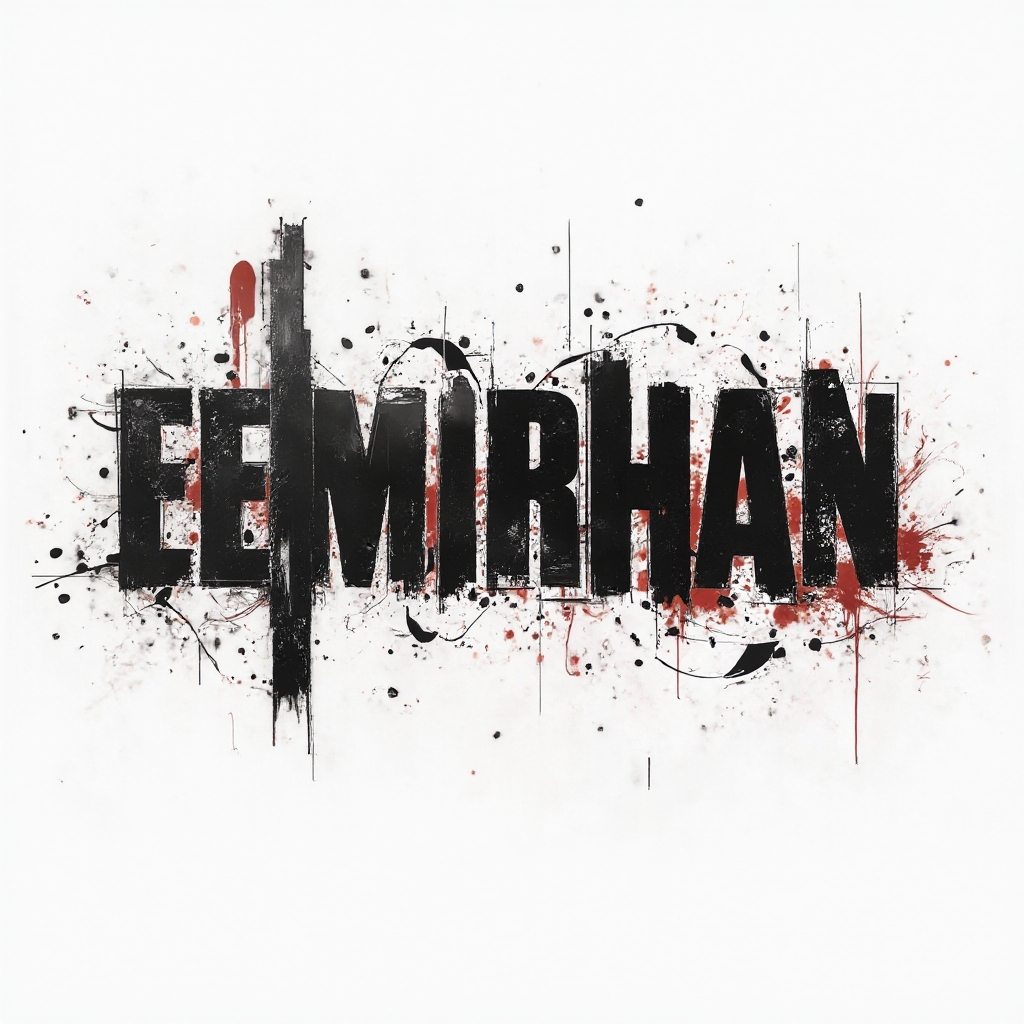
Emirhan Trash Polka Contrast Lettering Tattoo
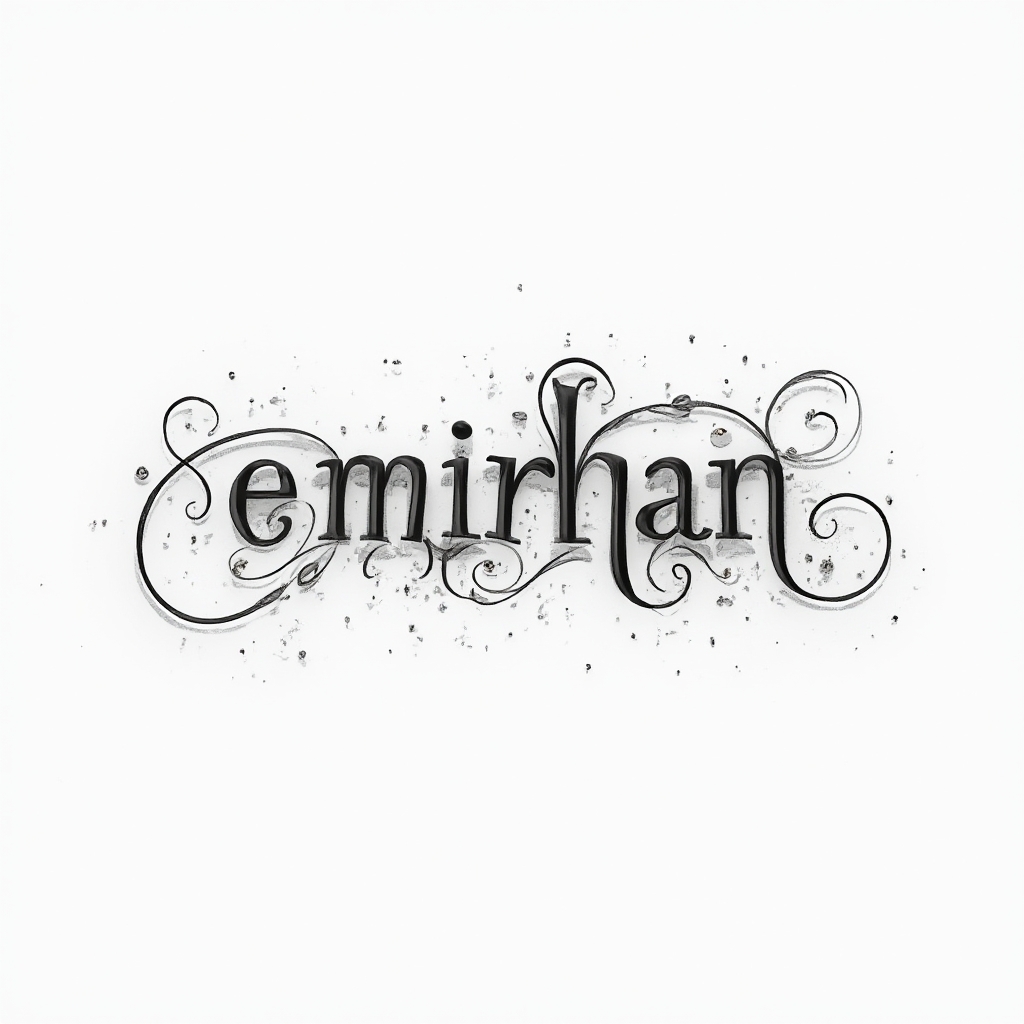
Emirhan AI-Original-Style Dimensional Lettering Tattoo
Global distribution & gender ratio
Türkiye
98.42% of recorded usage
Female: 0.65% · Male: 99.35%
Cyprus
0.41% of recorded usage
Female: 1.79% · Male: 98.21%
Germany
0.18% of recorded usage
Female: 0.00% · Male: 100.00%
United States
0.13% of recorded usage
Female: 0.00% · Male: 100.00%
Saudi Arabia
0.07% of recorded usage
Female: 0.00% · Male: 100.00%
You may also like
Similar names
Emir
Shortened version with a strong meaning of commander or prince.Hasan
A name of Turkish origin meaning handsome or good.Kerem
This name signifies noble nature and generosity.Yusuf
A popular Turkish name with the meaning of God increases.Mehmet
Derived from Muhammad, signifies praised or commendable.Berkay
This name implies strong moon or solid.Oğuzhan
A name that suggests strong warrior or powerful man.Alper
With a meaning of brave hero, it also reflects heroic traits.Baran
A name associated with warrior or bravery.Tarkan
Signifying a noble warrior, indicative of valor.
Frequently asked questions about emirhan
What is the meaning of the name Emirhan?
Emirhan signifies a combination of power and leadership, embodying the qualities of a noble and strong leader.
What is the origin of the name Emirhan?
Emirhan originates from Turkish, reflecting a rich heritage from Turkish and Ottoman history.
Is the name Emirhan gender-neutral?
The name Emirhan is typically associated with males, although gender perceptions may vary across cultures.
How popular is the name Emirhan?
Emirhan is particularly popular in Turkey and among Turkish communities worldwide.
How is the name Emirhan used globally?
Emirhan is used primarily in Turkey and in regions with sizable Turkish populations, such as Germany and the Netherlands.
What profession paths are common for people named Emirhan?
People named Emirhan often excel in leadership, business, politics, technology, and the arts.
What are some characteristic features of people named Emirhan?
Common traits include leadership, charisma, determination, intelligence, and loyalty.
What are some similar names to Emirhan?
Similar names include Emir, Hasan, Kerem, Yusuf, Mehmet, Berkay, Oğuzhan, Alper, Baran, and Tarkan.