
Meaning of the Name Havva
Origins of the Name Havva
Gender Association of the Name Havva
Popularity of the Name Havva
Global Usage of the Name Havva
Characteristic Features of People Named Havva
Creative
Individuals named Havva often exhibit a strong creative streak, expressing themselves through various art forms.
Empathetic
Known for their empathy, they have the ability to connect deeply with others, providing comfort and understanding.
Nurturing
The name carries connotations of motherhood, reflecting a nurturing demeanor and desire to care for others.
Resilient
Havvas show great resilience in the face of adversity, often rising above challenges with courage.
Intuitive
Their intuition guides them in decision-making, often resulting in wise and prudent choices.
Charismatic
Possessing a natural charisma, they easily attract others with their positive energy and warm personality.
Spiritual
Many named Havva maintain a deep spiritual connection, often exploring religious and philosophical ideas.
Intelligent
Intellectual pursuits appeal to them, driven by curiosity and a thirst for knowledge.
Common Career Paths for People Named Havva
Education
Havvas often excel in the education sector, becoming teachers, professors, and educational consultants, reflecting their nurturing nature.
Arts
With a creative flair, many gravitate toward careers in the arts, such as painting, music, or writing.
Healthcare
The empathetic nature of Havvas drives them to pursue careers in nursing, medicine, or therapy, where they can care for and heal others.
Social Work
Passionate about helping others, they often find fulfillment in social work, assisting communities and individuals in need.
Psychology
Many develop a keen interest in human behavior and mind, leading them to careers in psychology or counseling.
Spiritual Leadership
With a strong spiritual inclination, some Havvas become spiritual leaders or advisors, guiding others on their spiritual journeys.
Research
Their intellectual curiosity often leads them to careers in research, contributing to advancements in various fields.
Entrepreneurship
Charismatic and innovative, many pursue entrepreneurship, starting ventures that align with their values and passions.
Unique and Interesting Characteristics of the Name Havva
Biblical Reference
Reflects the biblical Eve's narrative, enhancing its historical importance.
Spiritual Significance
Holds devotional value across Islamic and Christian cultures, often choosing Havva for its spiritual depth.
Cross-Cultural Adaptability
Recognized in multiple languages, showcasing its flexibility and universal appeal.
Historical Usage
Spanning centuries, the name is rooted in tradition, often used to honor familial heritage.
Phonetic Appeal
Its melodious sound makes it a favorite among parents seeking euphonious and profound names.
Religious Texts
Often cited in religious texts, enhancing its frequency of use in religious communities.
Cultural Depictions
Referenced in literature and arts, connecting its name to broader cultural narratives.
Iconic Figures
Notable figures named Havva contribute to its enduring legacy and significance.
Famous People Named Havva
- Havva Karakaş: A prominent Turkish singer known for her soulful music.
- Havva Şahal: An accomplished fashion designer making waves in the industry.
- Havva Çebi: An internationally recognized artist, celebrated for her contemporary and innovative style.
Havva Custom Artistic Tattoo Design Collection

Havva Watercolor Dreamflow Tattoo Concept

Havva Surreal Cosmic Script Tattoo Concept
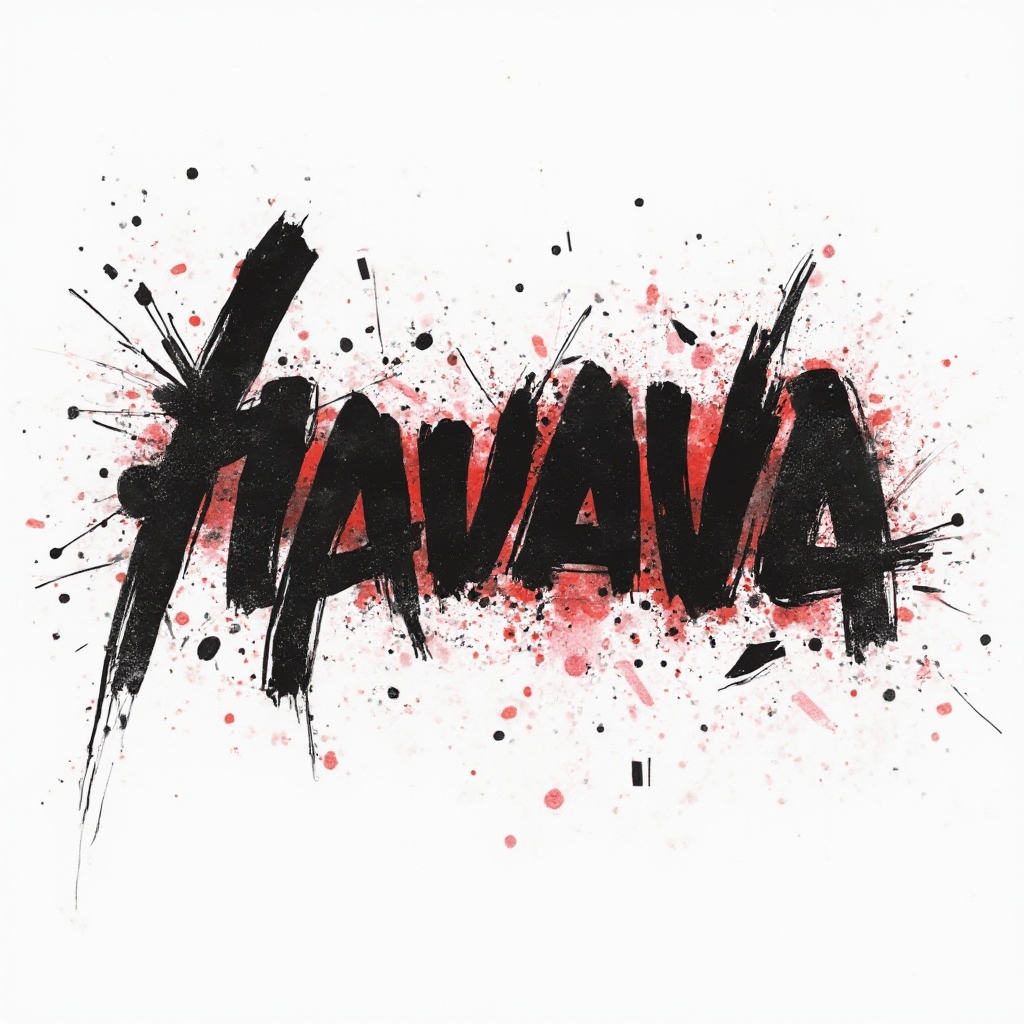
Havva Trash Polka Contrast Script Tattoo Concept
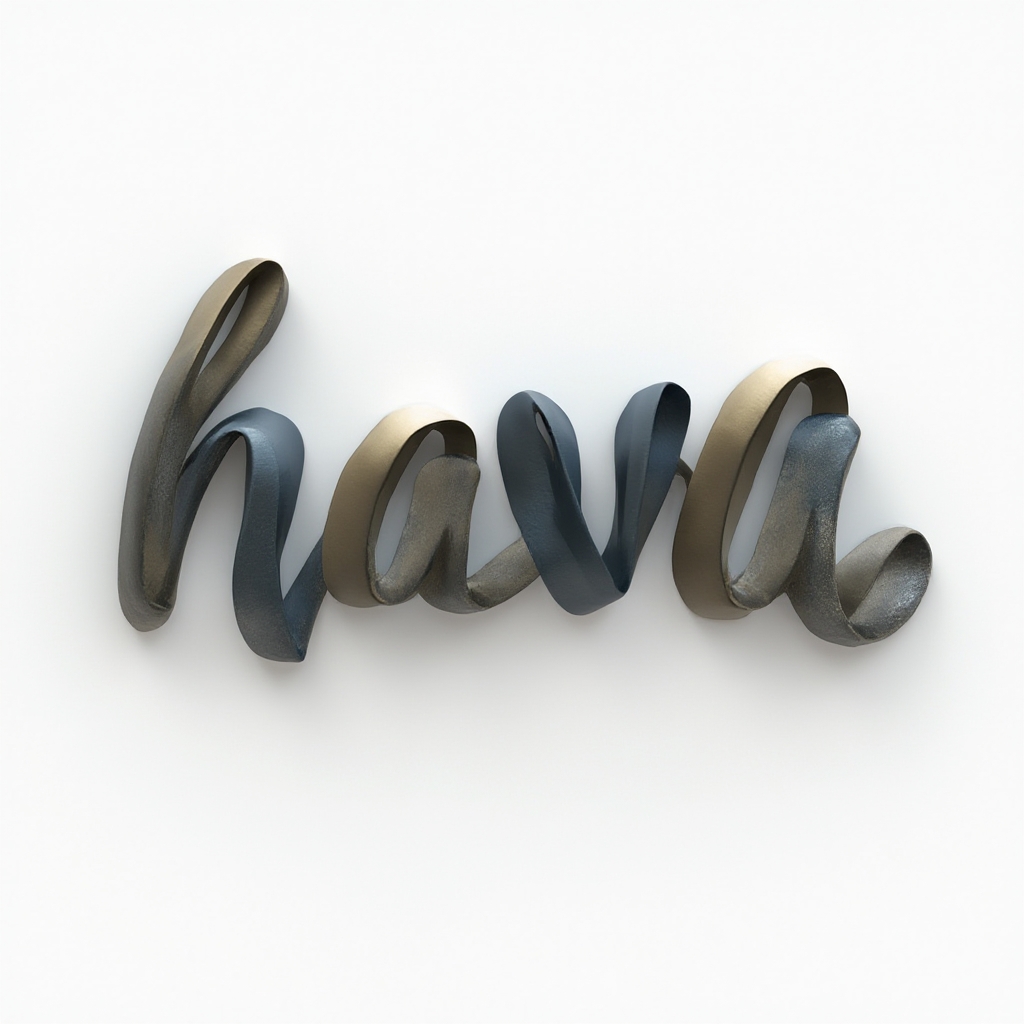
Havva AI-Original-Style Dimensional Flow Tattoo Concept
Global distribution & gender ratio
Türkiye
97.44% of recorded usage
Female: 97.69% · Male: 2.31%
Cyprus
1.25% of recorded usage
Female: 97.66% · Male: 2.34%
Germany
0.34% of recorded usage
Female: 100.00% · Male: 0.00%
Greece
0.12% of recorded usage
Female: 100.00% · Male: 0.00%
Belgium
0.12% of recorded usage
Female: 91.67% · Male: 8.33%
You may also like
Similar names
Aylin
The name Aylin signifies moonlight and is popular in Turkish culture, often conveying elegance and calmness.Elif
Common in Turkish origins, Elif stands for beauty and grace, evoking feelings of serenity and charm.Sibel
Sibel is associated with orchid or beautiful flower and symbolizes delicate beauty and sophistication.Zeynep
Meaning precious gem or ornament, Zeynep is cherished in Turkish-speaking areas for its timeless elegance.Meryem
A derivative of the name Mary, Meryem signifies life and beloved, commonly celebrated in Arabic cultures.Yasemin
Translating to jasmine flower, Yasemin represents purity and sweetness, favored in many cultures.Leyla
Leyla implies night, signifying mystery and allure, a name often used in literary works.Ece
The name Ece, meaning queen, exudes elegance and commands respect.Damla
Meaning droplet, Damla evokes imagery of purity and new beginnings, a fresh and unique choice.Nur
Connected with light, Nur represents enlightenment and hope, cherished among many communities.
Frequently asked questions about havva
What does the name Havva mean?
Havva symbolizes life and new beginnings, often seen as a gift-from-god.
Where does the name Havva originate from?
Havva has Turkish and Hebrew origins, deeply rooted in biblical history as the name of the first woman, Eve.
Is the name Havva more common for males or females?
Havva is predominantly a female name, often used in places like Turkey and Arabic nations.
How popular is the name Havva?
The name Havva enjoys moderate popularity, particularly in Turkish and Arabic-speaking regions.
What are some similar names to Havva?
Similar names to Havva include Aylin, Elif, Sibel, and Zeynep, reflecting its Turkish origin and meaning.
What are common professions for people named Havva?
People named Havva often pursue careers in education, arts, and healthcare.
Who are some famous people named Havva?
Famous personalities include Havva Karakaş, a renowned singer, and Havva Şahal, a celebrated fashion designer.