
Meaning of the Name Lisette
Cultural and Historical Origin of Lisette
Gender and Usage of Lisette
Popularity of the Name Lisette
Global Usage and Pronunciation of Lisette
Personality Traits Associated with Lisette
Graceful
Often seen as poised and refined in manner and speech.
Compassionate
Naturally empathetic, tuned in to the feelings of others.
Creative
Drawn to art, music, or design, with a strong imaginative streak.
Determined
Quietly persistent when pursuing goals or supporting loved ones.
Diplomatic
Skilled at smoothing conflicts and bringing people together.
Professional Paths for the Name Lisette
Designer
Uses aesthetic sensitivity to create visual harmony in fashion, interior, or graphic design.
Counselor or Therapist
Combines empathy and insight to support emotional well-being.
Performer
May be drawn to acting, music, or dance as expressive outlets.
Writer or Editor
Communicates with nuance, crafting thoughtful stories or content.
Nonprofit or Community Leader
Channels compassion into advocacy and social impact.
Unique and Interesting Facts About Lisette
French Diminutive Charm
Originates as an affectionate nickname that later became a standalone given name.
Vintage Yet Modern
Feels both old-world and contemporary, fitting current trends for elegant classics.
International Appeal
Recognizable in multiple languages, yet not overly common in any one country.
Literary Sound
Its lilting rhythm makes it a favorite for fictional characters in novels and plays.
Famous People Named Lisette
- Lisette Morelos: Mexican actress and model known for her roles in telenovelas.
- Lisette Melendez: American freestyle and Latin pop singer popular in the 1990s.
- Lisette Oropesa: Cuban-American operatic soprano celebrated for leading roles in major opera houses.
- Lisette Model: Austrian-born American photographer recognized for influential street photography.
How to Pronounce Lisette in French
/li.zɛt/ — Lisette
- /li/: like “lee” in English.
- /z/: voiced “z” sound, as in “zoo.”
- /ɛ/: open "eh" sound, similar to “bed.”
- /t/: soft, crisp "t" sound at the end.
lee-ZET
Tattoo Design Ideas for the Name Lisette

Watercolor Lisette Tattoo Concept
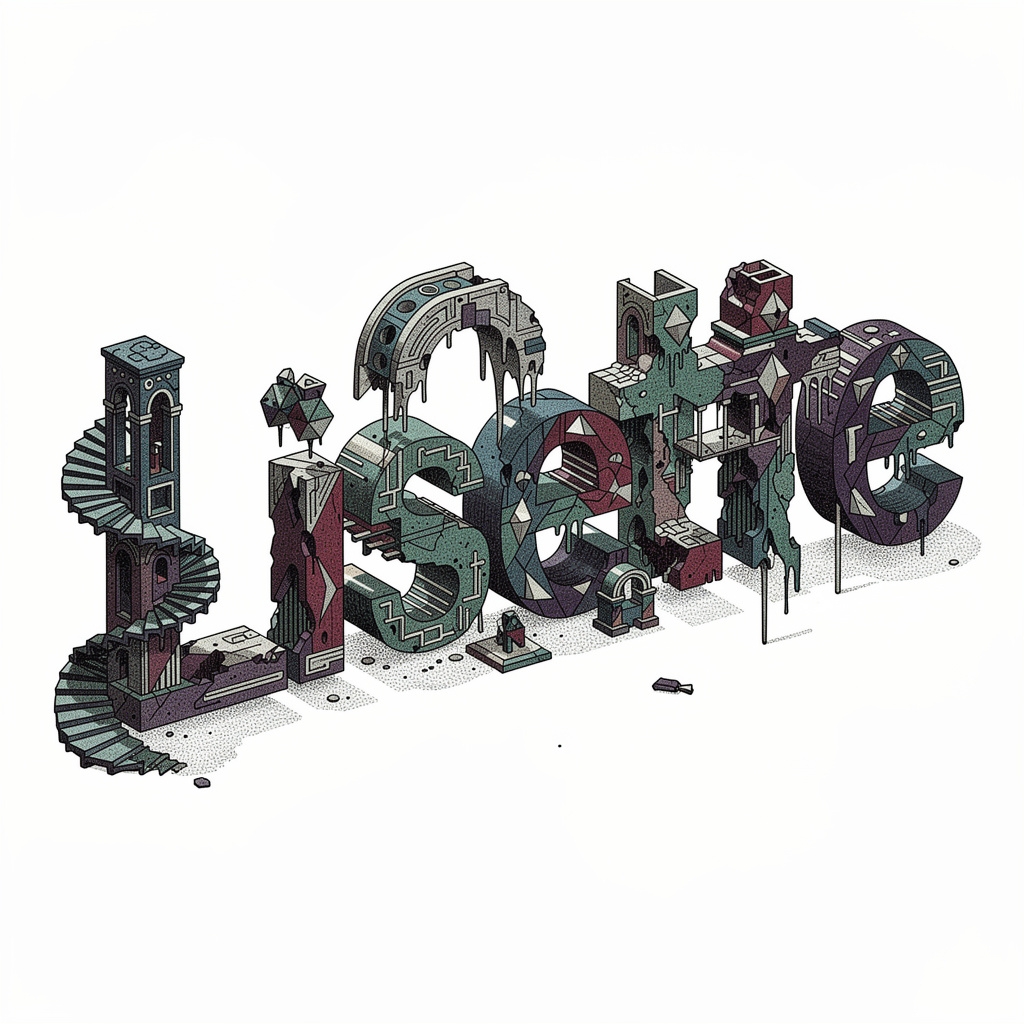
Surreal Lisette Tattoo Artwork

Auraluxe Script Lisette Tattoo Style
Global distribution & gender ratio
United States
33.94% of recorded usage
Female: 100.00% · Male: 0.00%
Netherlands
17.70% of recorded usage
Female: 97.94% · Male: 2.06%
Mexico
11.68% of recorded usage
Female: 100.00% · Male: 0.00%
Chile
7.30% of recorded usage
Female: 100.00% · Male: 0.00%
Philippines
6.39% of recorded usage
Female: 100.00% · Male: 0.00%
You may also like
Similar names
Lisette
Variant of Elisabeth, often associated with god-is-gracious and grace.Louise
Classic French-rooted name linked to famous warrior and quiet strength.Colette
French diminutive tied to victory of the people with chic literary flair.Elise
Elegant short form of Elisabeth, conveying god-is-gracious and gentle grace.Lisettea
Modern, embellished spin on the root, still echoing god-is-gracious.Lisbeth
Nordic-flavored variant of Elisabeth associated with god-is-gracious and inner strength.Isabelle
Romantic form of Elizabeth, rich with the meaning god-is-my-oath and sacred devotion.Annette
French diminutive related to Anna, carrying senses of grace and favor.Juliette
Lyric French form linked to youthful vitality and love-infused romance.Babette
Charming French pet form traditionally associated with foreign or stranger meanings.
Frequently asked questions about lisette
What does the name Lisette mean?
Lisette is a French diminutive of Elisabeth, carrying the meanings "God is gracious" and "grace," often linked with purity, kindness, and inner strength.
What is the origin of the name Lisette?
Lisette originated as a French pet form of Elisabeth, which comes from the Hebrew name Elisheva. It blends biblical roots with French elegance.
Is Lisette a popular baby name?
Lisette has seen modest popularity, appearing occasionally in baby-name charts in France, the United States, and the Netherlands, but it remains relatively uncommon today.
How do you pronounce Lisette?
Lisette is typically pronounced "lee-ZET," following the French pronunciation /li.zɛt/.
Is Lisette a girl’s name?
Yes, Lisette is traditionally used as a feminine name, derived from Elisabeth, and is strongly associated with girls and women across cultures.