
Significance and Meaning of Metehan
Discovering the Origins of Metehan
Gender Association of the Name Metehan
Popularity of the Name Metehan
Global Usage of the Name Metehan
Characteristic Features of People Named Metehan
Leader-like
People named Metehan often exude natural leadership qualities, inspiring and guiding those around them.
Resilient
They tend to be resilient in face of challenges, displaying strength and determination.
Honorable
Often associated with a strong moral compass, individuals named Metehan uphold values of honesty and honor.
Charismatic
They possess a charm and charisma that draws others in, making them approachable and influential.
Strategic
Known for their strategic thinking, Metehans often excel in positions requiring quick judgments and foresight.
Common Career Paths for People Named Metehan
Leadership Roles
Many Metehans gravitate towards roles in management and leadership, including executive-level positions.
Strategic Planning
Their aptitude for strategy often leads them to careers in consultancy and organizational development.
Cultural Affairs
With an appreciation for heritage, they often find roles in cultural organizations or history-oriented fields fulfilling.
Public Service
Many find purpose in roles within public administration, where they can direct changes for the common good.
Academic Research
The discipline of historical research appeals to the analytical side of many Metehans, leading to careers in academia.
Unique and Interesting Characteristics of the Name Metehan
Historical Legacy
Named after a leader of the Hun Empire, they're often associated with a legacy of conquest and empire building.
Literary mentions
The name occasionally surfaces in Turkish literature and dramas, often evoking images of historic grandeur.
Cultural Events
Practices and festivals in Turkey sometimes feature figures named Metehan as a nod to historic legacy.
Symbolism in Media
Films and series may use names like Metehan to symbolize undaunted leadership and valorous spirit.
Public Figures
Various artists, athletes, and thinkers from Turkic backgrounds proudly bear the name, symbolizing diverse talents.
Famous People Named Metehan
- Metehan Atun: Accomplished in Turkish athletics, known for his resilience on the field.
- Metehan Akbulut: Renowned historian immersing in Turkic tribal studies.
- Metehan Demir: Influential Turkish journalist recognized for critical cultural pieces.
Metehan Custom Lettering Tattoo Design Collection
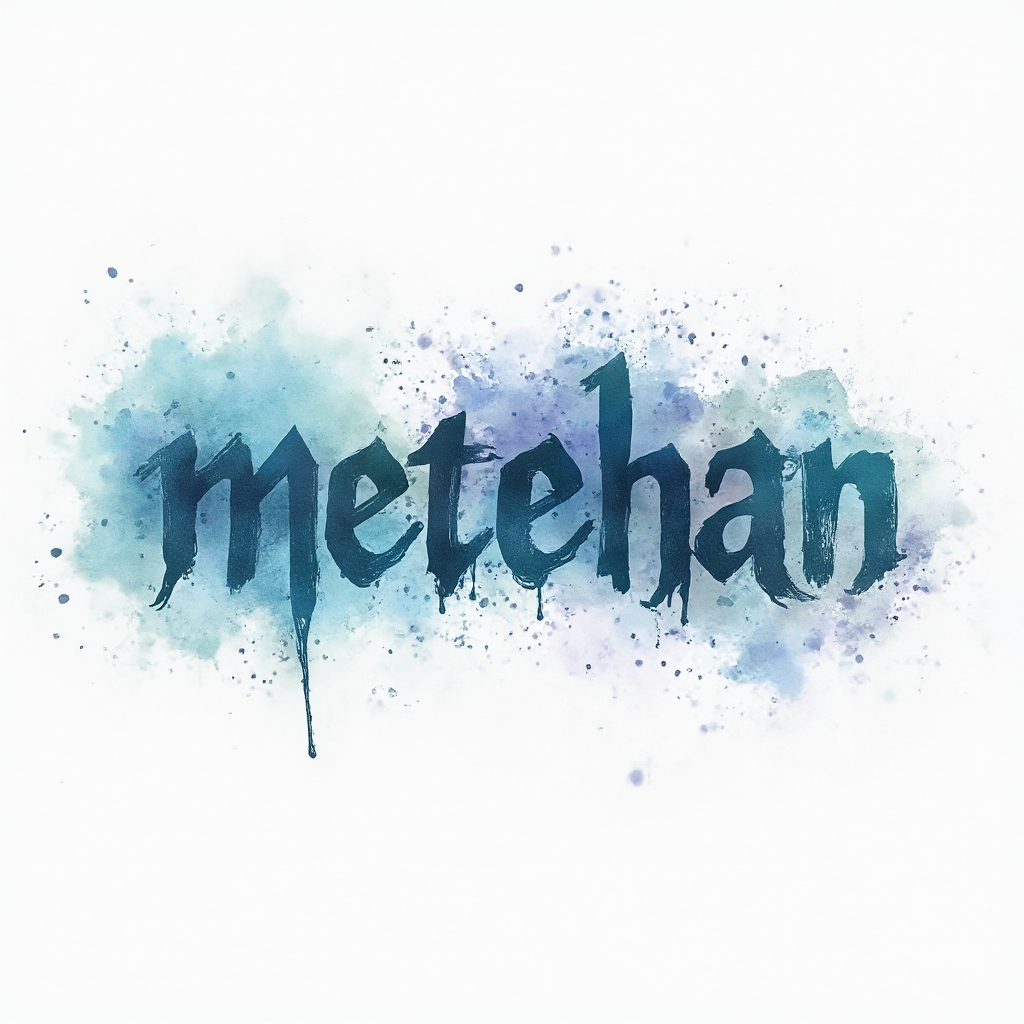
Metehan Watercolor Ink Splash Tattoo Concept
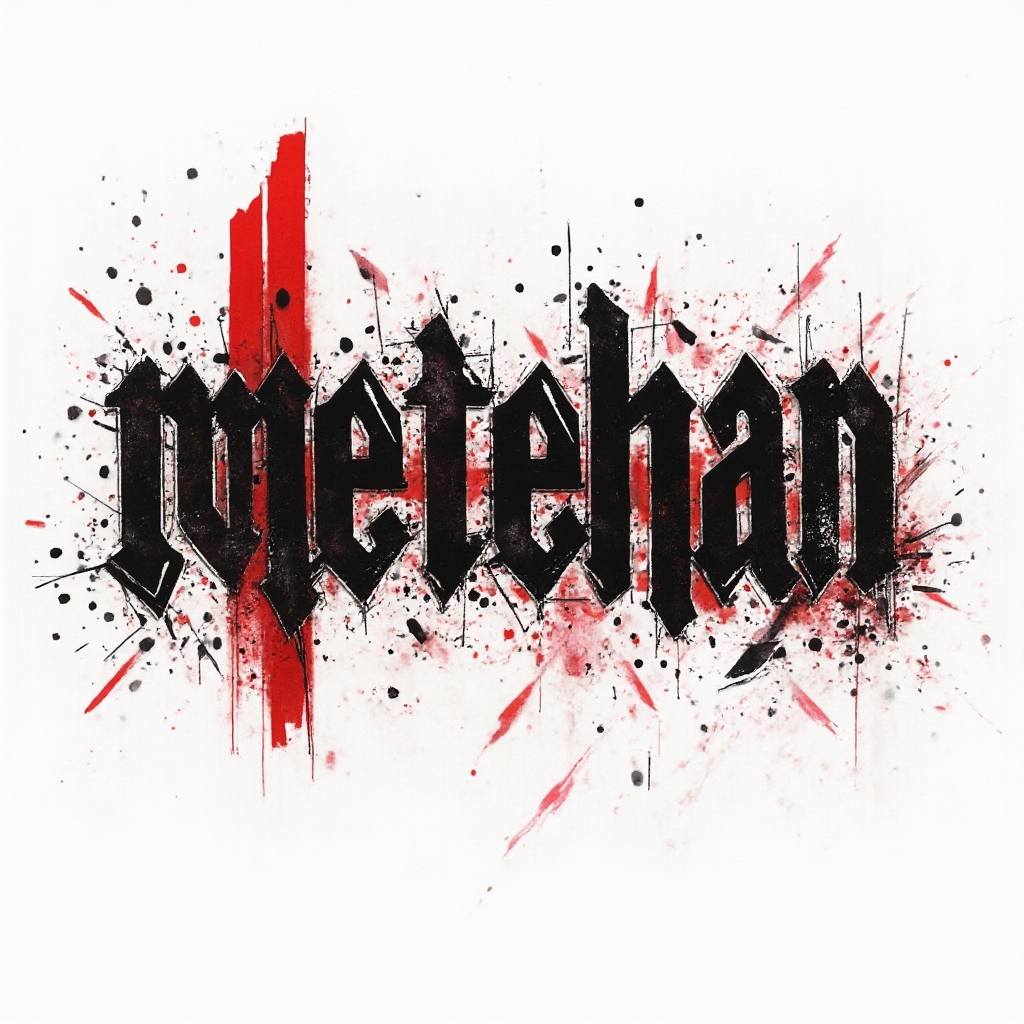
Metehan Trash Polka Bold Contrast Tattoo
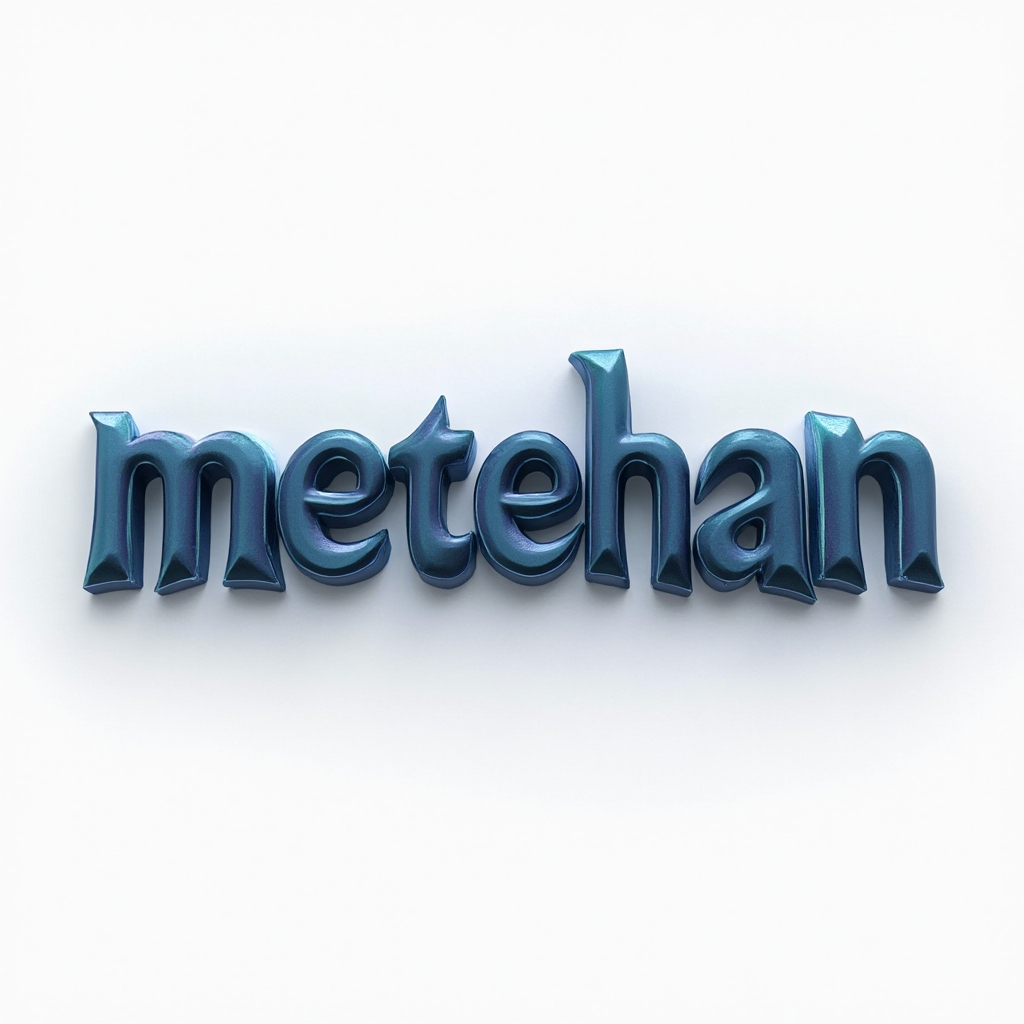
Metehan AI-Original-Style Dimensional Gradient Lettering Tattoo
Global distribution & gender ratio
Türkiye
97.74% of recorded usage
Female: 0.63% · Male: 99.37%
Cyprus
0.65% of recorded usage
Female: 1.79% · Male: 98.21%
Germany
0.28% of recorded usage
Female: 0.00% · Male: 100.00%
United States
0.19% of recorded usage
Female: 0.00% · Male: 100.00%
Syria
0.11% of recorded usage
Female: 0.00% · Male: 100.00%
You may also like
Similar names
Taghan
A name known for its meaning of strong leadership, similar in spirit to Metehan.Alp
Denotes a hero or courageous warrior, indicative of the bravado associated with Metehan.Baran
Meaning strong and resilient, akin to the steadfast nature of Metehan.Emre
Symbolizes the mature, wise, and valiant, parallel to the qualities of Metehan.Cenk
A name reflecting warfare and battles, underlining the valiance inherent in Metehan.Tamer
Conveys conquests and rule, similar in connotations to the name Metehan.Erkan
Suggestive of honest and valor, aligning with the noble traits of Metehan.Ozan
A tale-teller, indicating verbal prowess and leadership, akin to the ethos of Metehan.Okan
Symbolizes wisdom and deep insight, traits reflective of Metehan's historic roots.Koray
Denotes strength and bravery, characteristics shared with the narrative of Metehan.
Frequently asked questions about metehan
What is the meaning of the name Metehan?
The name Metehan signifies strong leadership, noble bravery, and rich historical heritage.
What is the origin of the name Metehan?
Metehan is of Turkish origin, combining historic titles Meté and Han.
What is the gender association of the name Metehan?
Metehan is predominantly associated with the male gender.
How popular is the name Metehan?
Metehan is quite popular in Turkey and among Turkic-speaking communities globally.
How is the name Metehan used globally?
Metehan is mainly used in Turkey, Azerbaijan, and parts of Central Asia, with variations observed globally.
What are the common career paths for people named Metehan?
Common careers include leadership roles, strategic planning, and cultural affairs.
What are the characteristic features of people named Metehan?
Typical characteristics include leadership, resilience, honor, charisma, and strategic thinking.
What are some similar names to Metehan?
Similar names include Taghan, Alp, Baran, Emre, and Cenk.
Who are some famous people named Metehan?
Famous people named Metehan include athletes Metehan Atun, historian Metehan Akbulut, and journalist Metehan Demir.