
Meaning of the Name Michel
Origin of the Name Michel
Gender Association of the Name Michel
Popularity of the Name Michel
Global Usage of the Name Michel
Characteristic Features of People Named Michel
Leader
People named Michel often exhibit natural leadership qualities, taking charge in situations efficiently.
Intelligent
They are known for their keen intellect and insightful perspectives.
Kind
They often display kindness and empathy, fostering strong, heartfelt relationships.
Charismatic
Michels are generally charismatic, drawing people towards them instinctively.
Common Career Paths for People Named Michel
Leadership Roles
Often excel in roles such as CEOs or managers due to their natural authority.
Creative Fields
Many Michels thrive in art, music, and writing, showcasing their imaginative talents.
Academia
Pursuing or excelling in teaching and scholarly research is common.
Public Service
Known for their empathy, many choose careers in public service or non-profit sectors.
Unique and Interesting Characteristics of the Name Michel
Pop Culture Influence
Michel has been popularized in numerous films and literature, adding a layer of cultural significance.
Historical Figures
Several kings and religious leaders have borne the name Michel, amplifying its historical importance.
Adaptability
The name has comfortably adapted to different languages and cultures, reflecting its versatile appeal.
Famous People Named Michel
- Michel Platini: A renowned French football player and influential sports administrator.
- Michel Foucault: A celebrated French philosopher and social theorist known for his profound contributions to post-modernism.
- Michel Gondry: A famed French film director renowned for his innovative storytelling and visual artistry.
Michel Name Tattoo Design Collection

Michel Watercolor Ink Splash Tattoo Concept
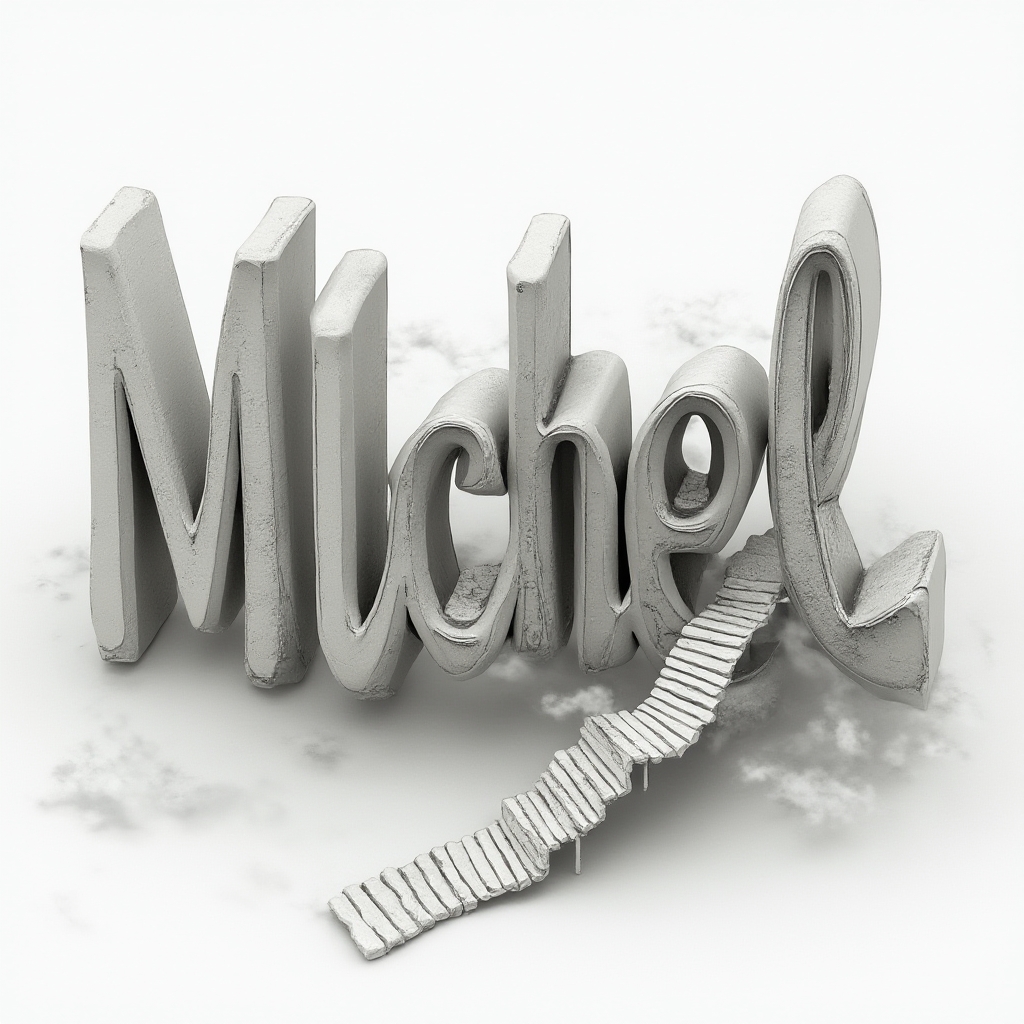
Michel Surrealism Floating Letterforms Tattoo
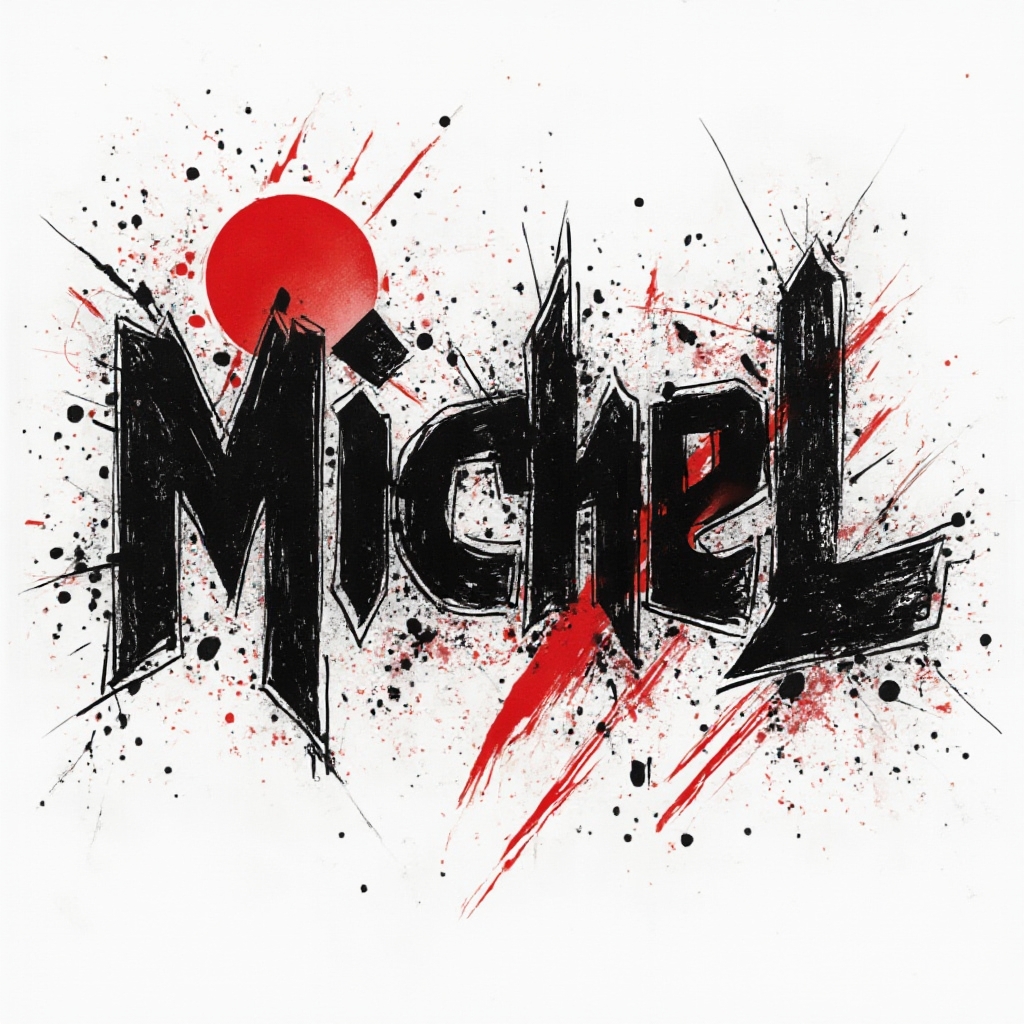
Michel Trash Polka High-Contrast Tattoo
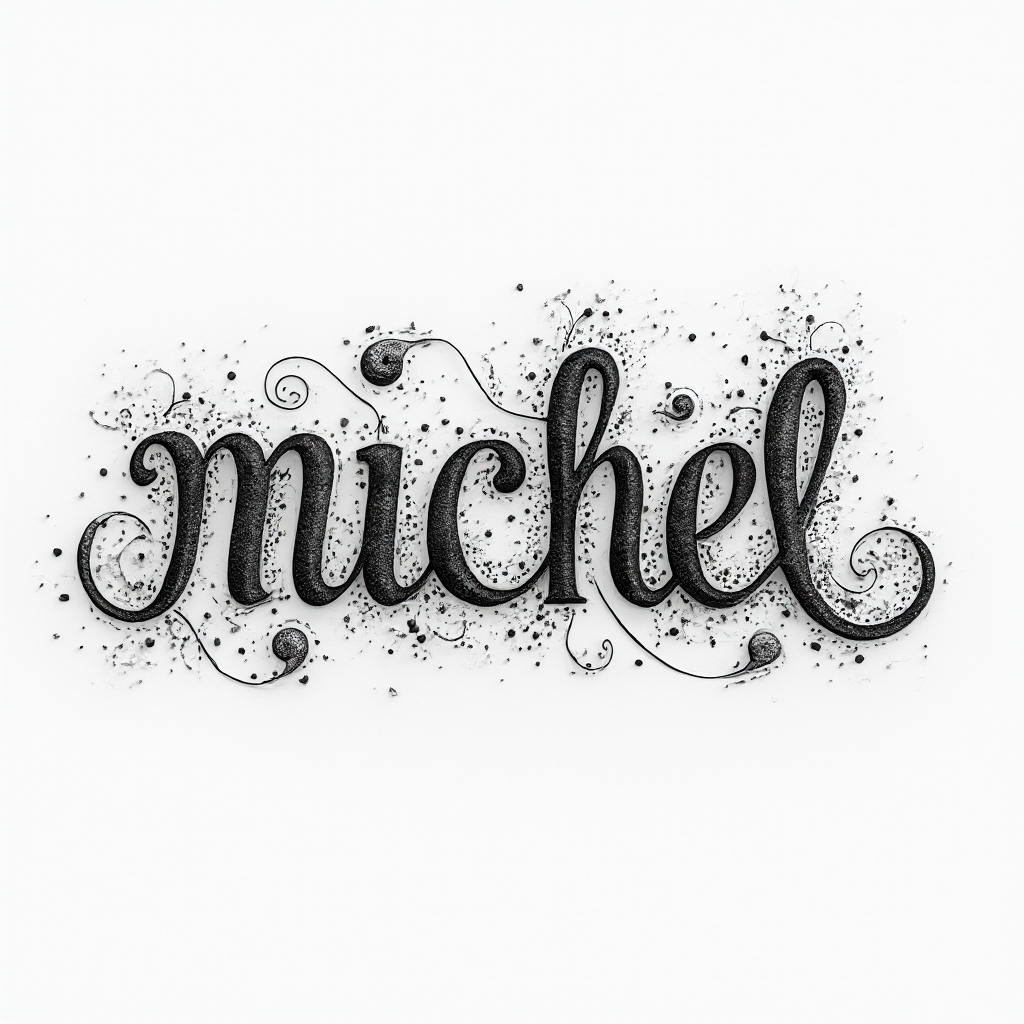
Michel AI-Original-Style Textured Monochrome Tattoo
Global distribution & gender ratio
Brazil
44.92% of recorded usage
Female: 0.53% · Male: 99.47%
Mexico
9.59% of recorded usage
Female: 25.58% · Male: 74.42%
Netherlands
7.03% of recorded usage
Female: 0.38% · Male: 99.62%
Belgium
6.59% of recorded usage
Female: 0.60% · Male: 99.40%
France
5.43% of recorded usage
Female: 1.46% · Male: 98.54%
You may also like
Similar names
Michele
An Italian variant of the name, often used interchangeably with Michel, signifies Who is like God?Miguel
A Spanish version, carrying the same divine significance as Michel, widely recognized in Hispanic cultures.Michael
The English and original Hebrew form, symbolizing the same profound query to divinity, embraced worldwide.Mikhail
A Russian variant, reflecting the globally resonant meaning associated with Michel.Michela
The feminine version in Italian, enhancing the name's versatility and appeal across genders.Michelina
A diminutive form in Italian, carrying a softer and affectionate tone while maintaining its root significance.Mikko
A Finnish diminutive that not only phonetically resembles Michel but also shares in its divine context.Michelangelo
A compound name of revered status, especially in the arts, embodying a saintly and creative resonance.Mischa
A Russian diminutive, emanating warmth and comfort, often used in familial contexts.Mikhal
Hebrew version suited to both genders, often seen in biblical and historical literature.
Frequently asked questions about michel
What does the name Michel mean?
Michel means 'Who is like God?' reflecting humility and reverence towards the divine.
What is the origin of the name Michel?
Michel originates from French culture, derived from the Hebrew name Michael.
What is the gender association of the name Michel?
Michel is primarily associated with the male gender, though it can be used for females in some cultures.
How popular is the name Michel?
Michel is quite popular in Europe, notably in France and Belgium, with historical peaks in earlier decades.
How is the name Michel used globally?
The name Michel is popular in France, Belgium, and Canada, with variations in pronunciation based on regional languages.
What career paths are common for people named Michel?
Michels often excel in leadership, creative fields, academia, and public service, leveraging their inherent strengths.
What are the characteristic features of people named Michel?
People named Michel are often leaders, intelligent, kind, and charismatic, making strong social connections.
What are some similar names to Michel?
Similar names include Michele, Miguel, Michael, Mikhail, and Michelina, each carrying similar meanings.
Who are some famous people named Michel?
Notable Michels include Michel Platini, a French football legend, and Michel Foucault, a philosopher.