
Meaning of the Name Murat
Origin of the Name Murat
Gender Association of the Name Murat
Popularity of the Name Murat
Global Usage of the Name Murat
Characteristic Features of People Named Murat
Ambitious
Individuals named Murat are often driven by goals, driven by the name's intrinsic meaning of aspiration and desire.
Charismatic
The name carries a sense of leadership and presence, making its bearers naturally influential in social settings.
Intelligent
A strong focus on intellectual pursuits is common, as they are equipped to navigate complex situations effectively.
Persuasive
With their charm comes an ability to convince others and lead discussions.
Common Career Paths for People Named Murat
Leadership Roles
Given the name's history, many Murats pursue careers in politics and business leadership where decisiveness is prized.
Creative Arts
Many may find their aspirations fulfilled in creative arenas, such as music or film, channeling their conceptual strengths.
Academia
With a penchant for intellectual discourse, many gravitate towards education and research.
Unique and Interesting Characteristics of the Name Murat
Historic Influence
Used by numerous Ottoman sultans, the name has historical gravitas linked to leadership and empire.
Pop Culture Presence
The name appears in various international films and literature, symbolizing characters of depth and destiny.
Naming Significance
Often chosen to imbue status or prestige upon the bearer, reflecting parental hopes and societal status.
Famous People Named Murat
- Murat Yıldırım: A renowned Turkish actor known for his roles in popular television series.
- Murat Boz: A singer and music artist prominent in Turkey.
MURAT Stylized Lettering Tattoo Collection
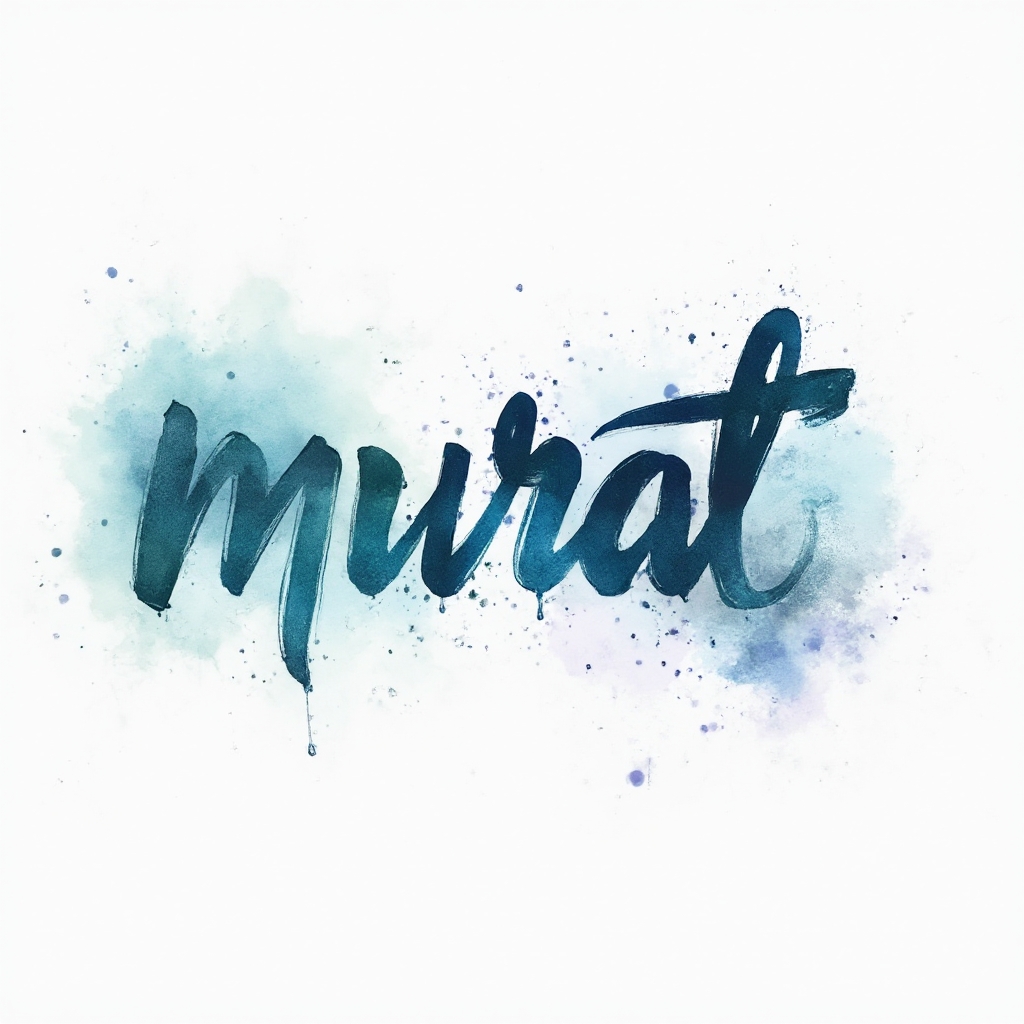
Watercolor Murat Flow
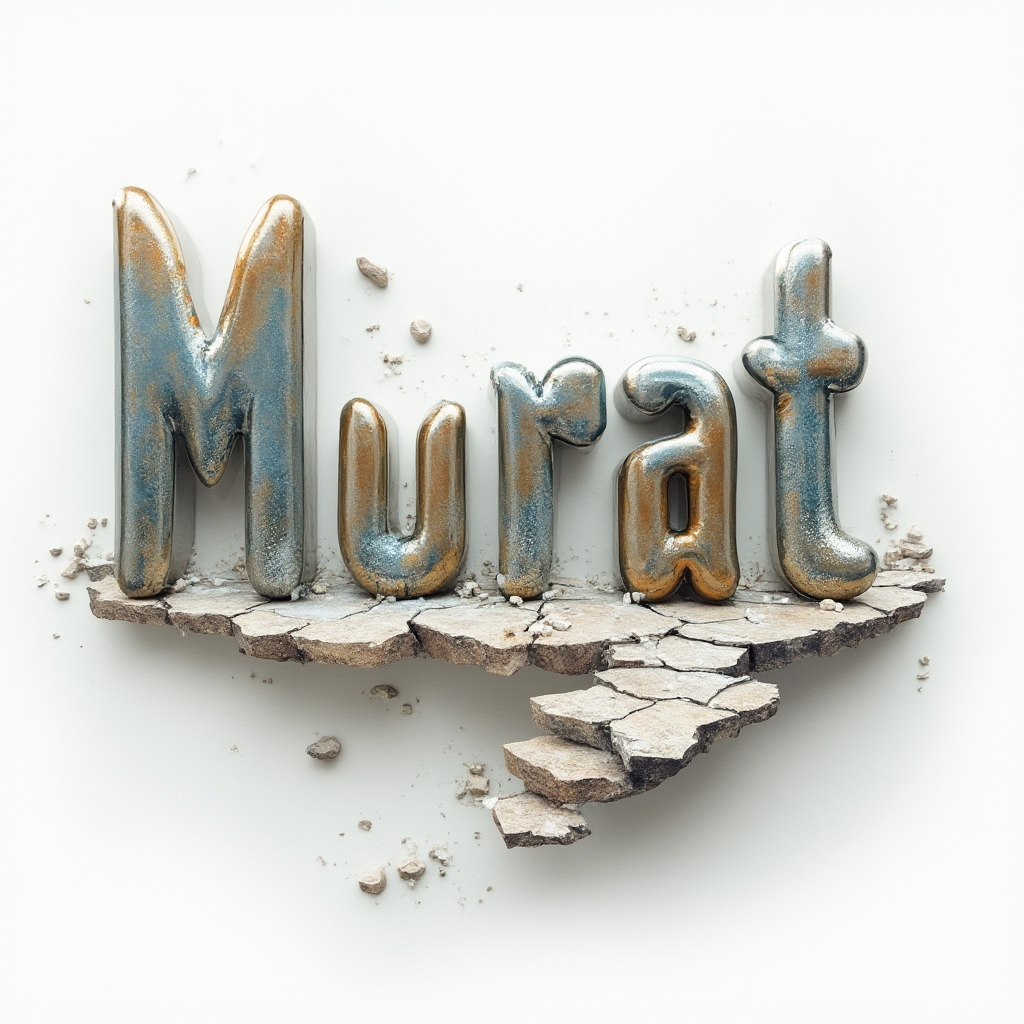
Surreal Murat Dreamscape
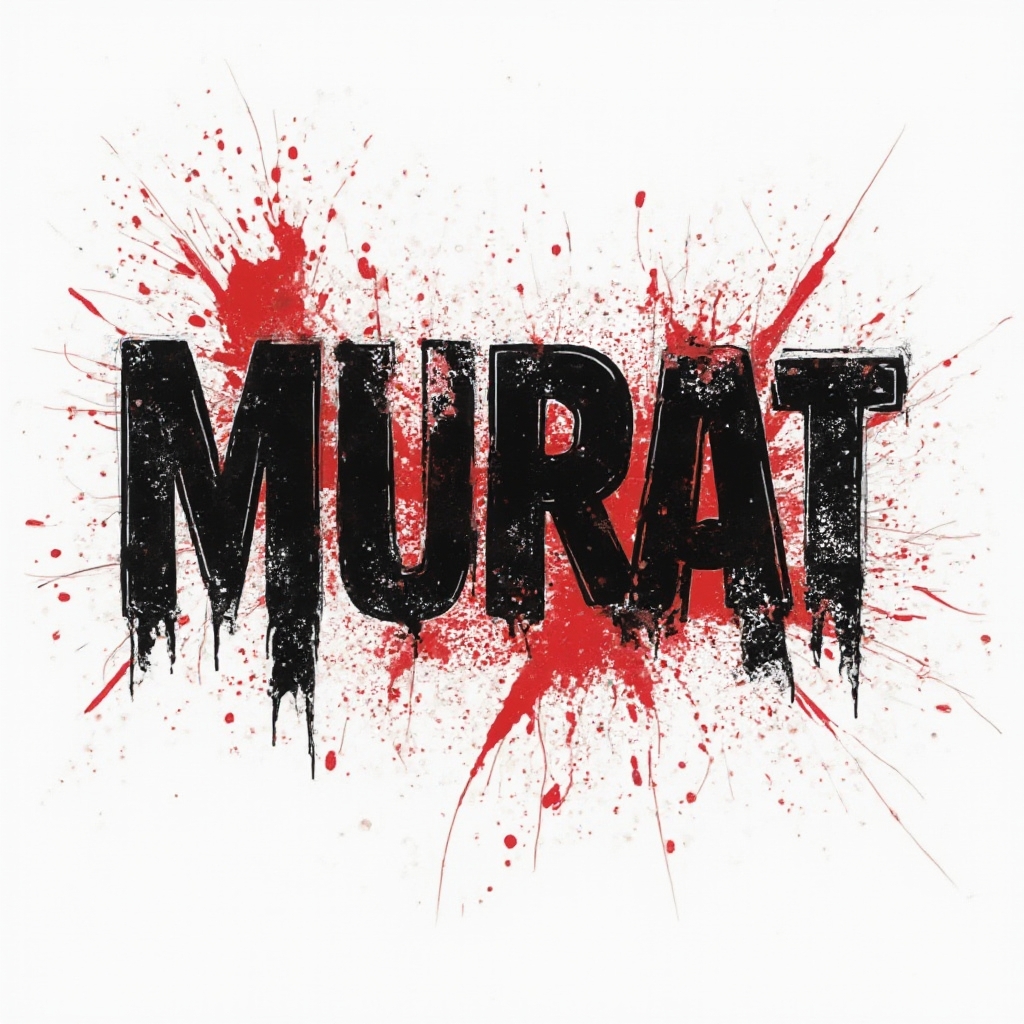
Trash Polka Murat Chaos
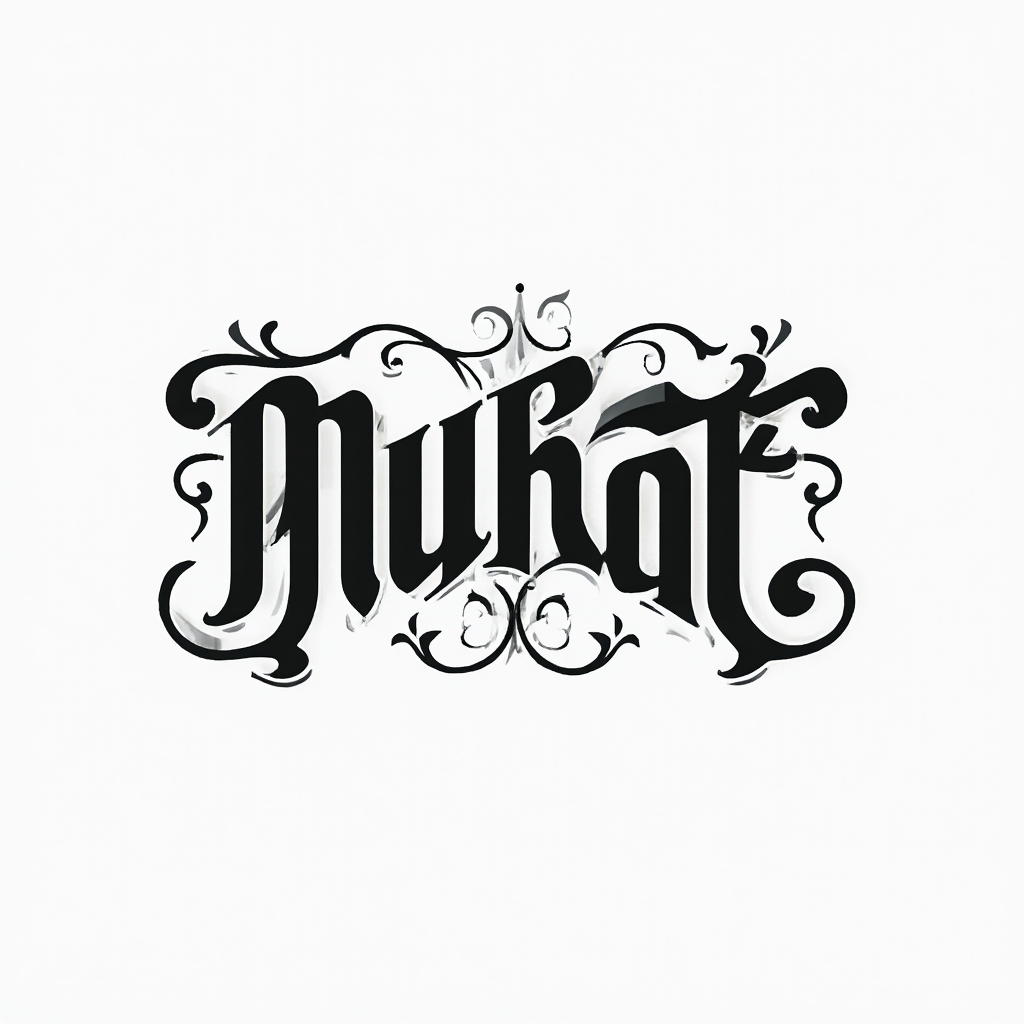
AI-Original-Style Murat Emblem
Global distribution & gender ratio
Türkiye
97.36% of recorded usage
Female: 0.88% · Male: 99.12%
Cyprus
0.49% of recorded usage
Female: 0.43% · Male: 99.57%
Germany
0.35% of recorded usage
Female: 0.30% · Male: 99.70%
United States
0.19% of recorded usage
Female: 0.81% · Male: 99.19%
Russia
0.11% of recorded usage
Female: 0.47% · Male: 99.53%
You may also like
Similar names
Mehmet
A name of Turkish origin, widely used and often associated with authority and respect.Musa
Popular in Arabic-speaking regions, meaning Moses, known for its religious significance.Mustafa
Another prevalent Turkish name, meaning 'chosen one'.Mahir
A name indicating skill or expertise in Turkish and Arabic cultures.Mirat
A similar-sounding name often found in South Asian regions with a meaning related to reflection or mirror.Ali
Highly respected in Muslim communities, known for its historical and religious roots.Ahmed
A name suggesting one who is highly praiseworthy, common across Islamic cultures.Khalid
Means 'eternal' or 'immortal', another popular name in Arabic dunia.Omer
A name with Hebrew origins, significant in both Jewish and Muslim cultures.Salman
Meaning 'safe' or 'secure', it has connotations of peace and assurance.