
Meaning Behind the Name Oleg
Tracing the Origin of Oleg
Gender Association of the Name Oleg
Popularity of the Name Oleg
Global Usage of the Name Oleg
Characteristic Features of People Named Oleg
Wise
Individuals with the name Oleg are often seen as insightful and knowledgeable.
Strong
Oleg is associated with strength, both in character and will.
Leader
Many named Oleg possess natural leadership qualities.
Noble
Oleg often conveys nobility and a lofty demeanor.
Common Career Paths for People Named Oleg
Leadership Roles
Oleg is associated with careers in leadership such as management and executive roles.
Military Service
Due to its strong attributes, many Olegs find themselves in military positions.
Arts and Literature
The richness of the name also draws individuals to creative professions.
Unique and Interesting Characteristics of the Name Oleg
Historical Significance
Oleg has been a significant name in Russian history associated with regality.
Pop Culture
Oleg appears in various media, often depicting Russian characters.
Famous Viking Connection
It's linked to medieval Scandinavian figures like Prince Oleg of Novgorod.
Famous People Named Oleg
- Oleg Tinkov: Russian businessman and founder of Tinkoff Bank
- Oleg Deripaska: Russian oligarch and industrialist
- Oleg Cassini: American fashion designer known for dressing Jacqueline Kennedy
Pronunciation Guide for the Name Oleg in Russian
/ɑːˈlɛɡ/ — Олег
- /ɑː/: as in 'father'
- /ˈlɛ/: as in 'let'
- /ɡ/: as in 'go'
The name Oleg is pronounced as 'Ah-leg', with emphasis on the first syllable.
Oleg Artistic Name Tattoo Concepts
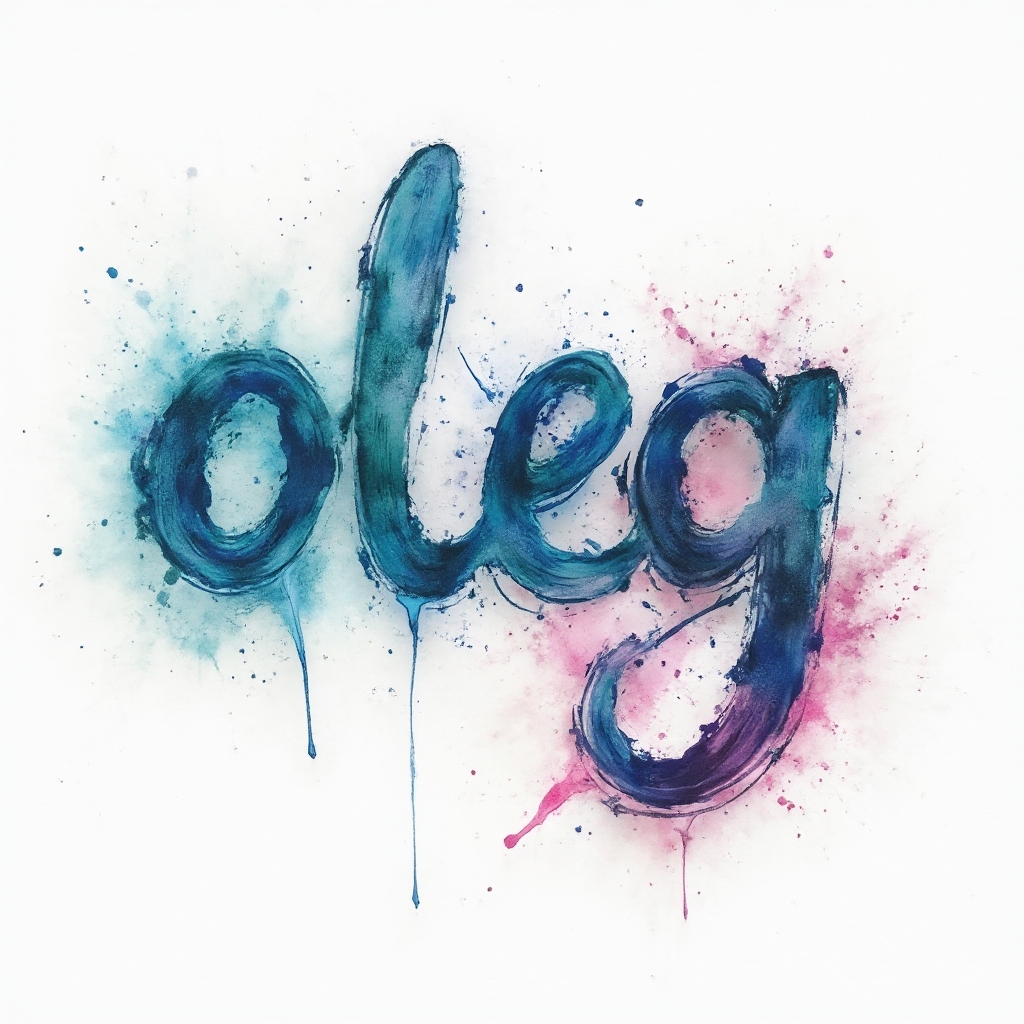
Oleg Watercolor Brushstroke Name Tattoo Concept
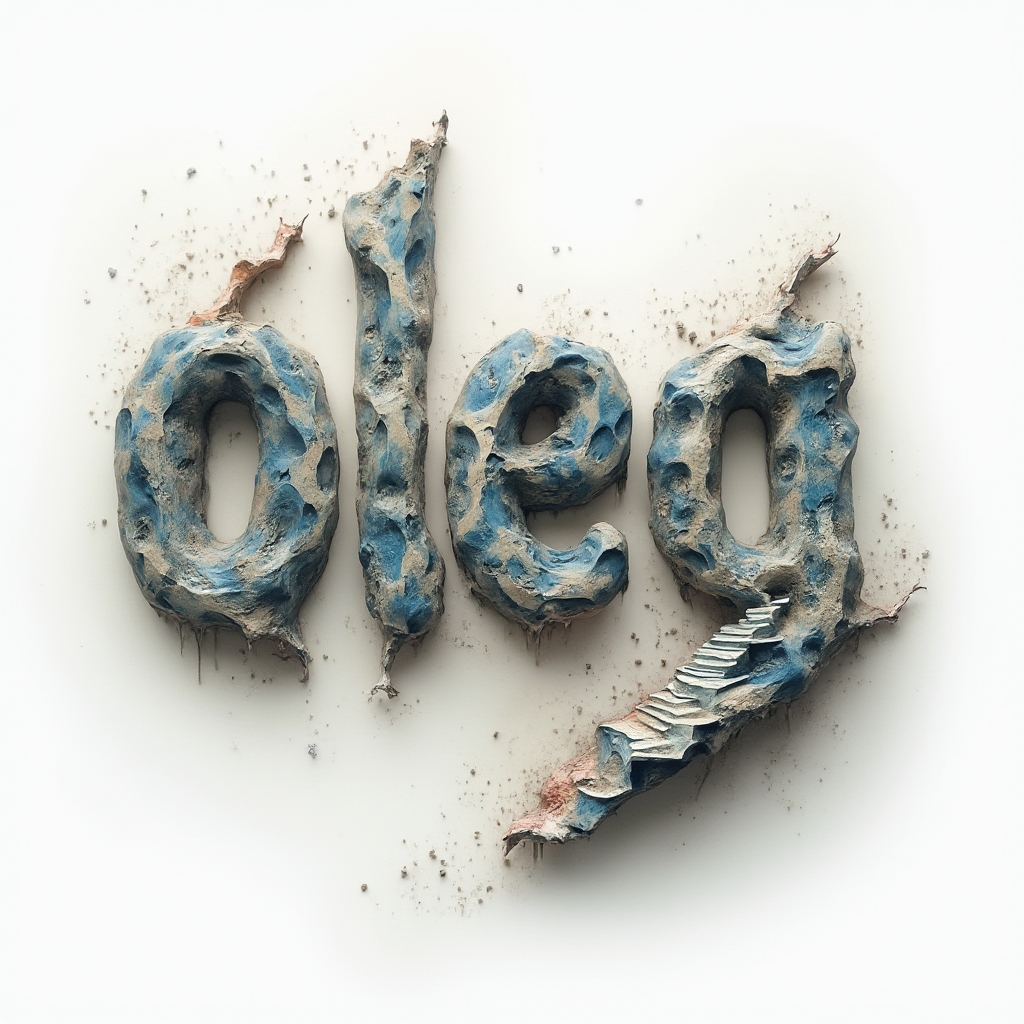
Oleg Surrealism Dreamscape Name Tattoo Concept
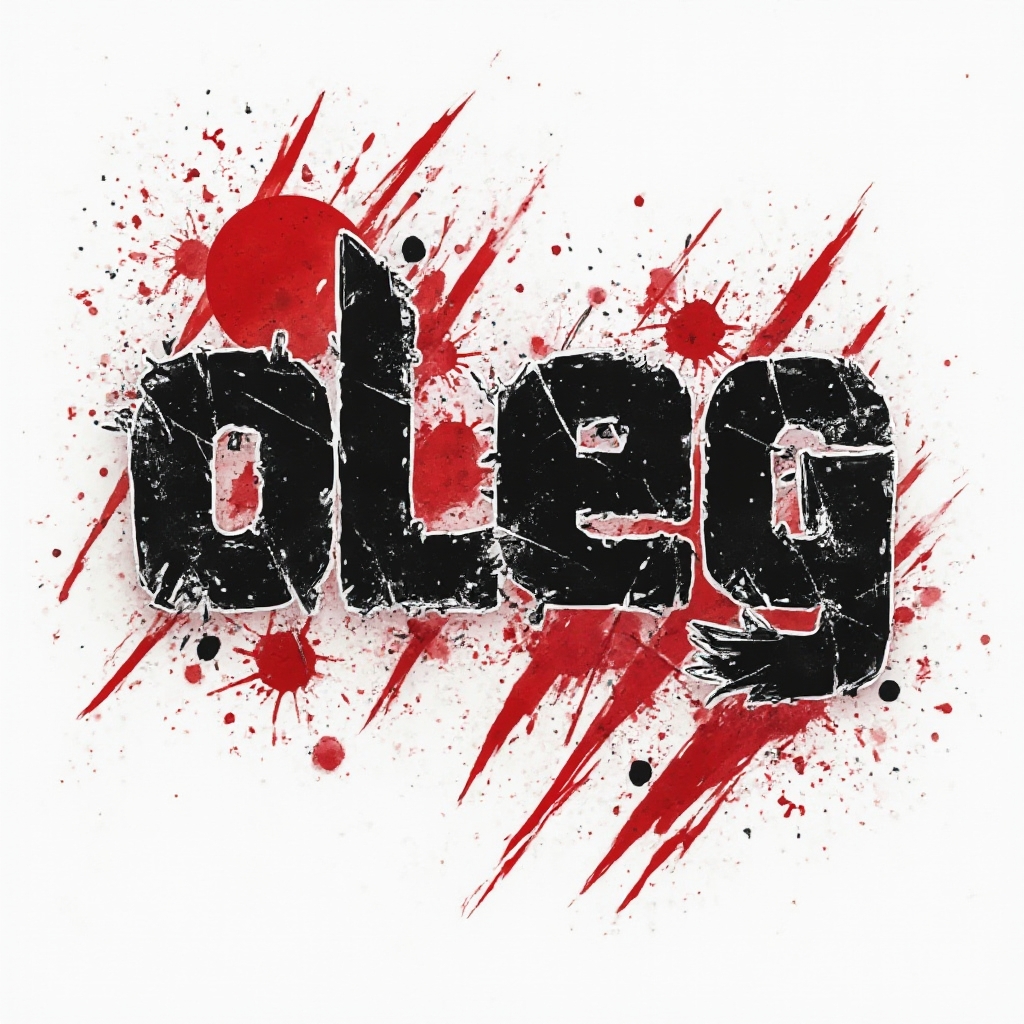
Oleg Trash Polka High-Contrast Name Tattoo Concept
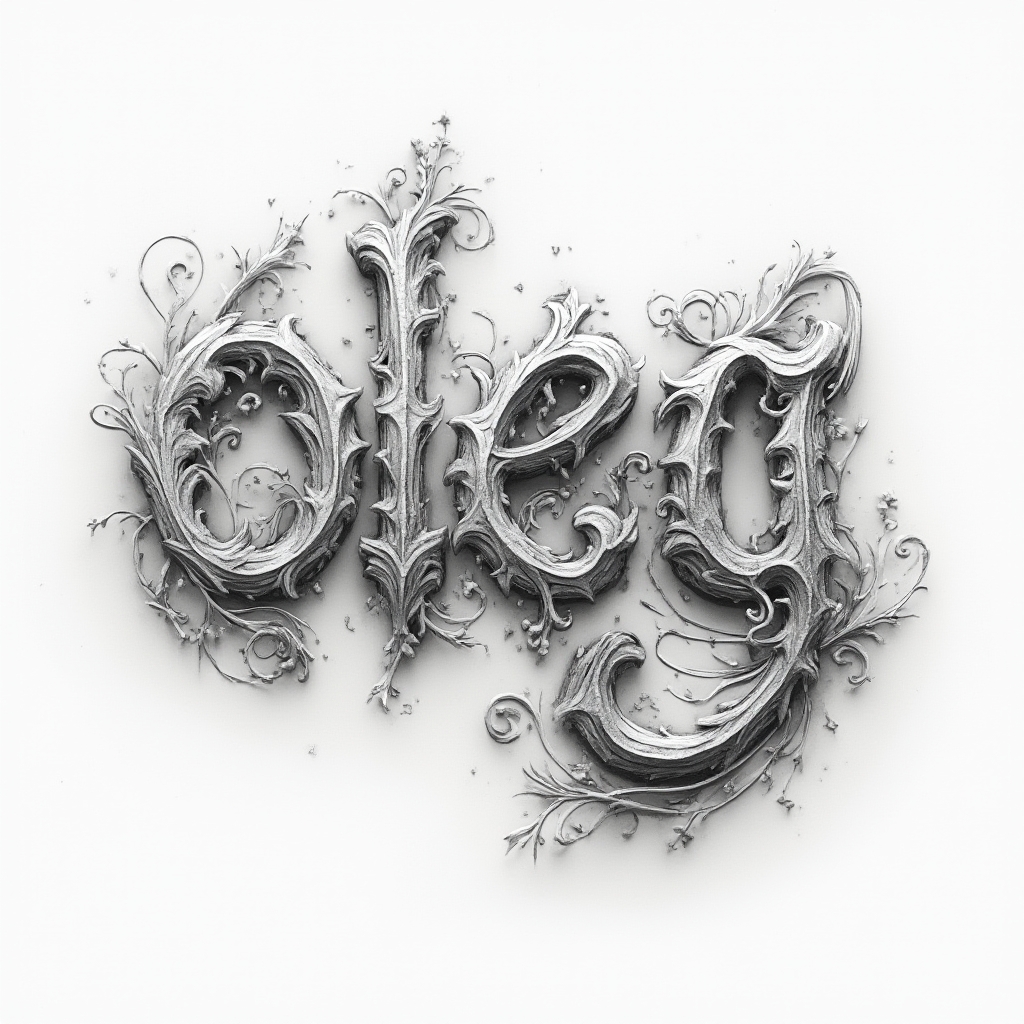
Oleg AI-Original-Style Sculpted Ink Name Tattoo Concept
Global distribution & gender ratio
Russia
49.90% of recorded usage
Female: 0.31% · Male: 99.69%
Ukraine
26.77% of recorded usage
Female: 0.39% · Male: 99.61%
United States
3.99% of recorded usage
Female: 0.00% · Male: 100.00%
Belarus
1.88% of recorded usage
Female: 0.92% · Male: 99.08%
Germany
1.52% of recorded usage
Female: 0.00% · Male: 100.00%
You may also like
Similar names
Igor
A popular Slavic name derived from the Old Norse name Ingvar, associated with the warrior.Vladimir
This Russian name means great ruler or peaceful ruler.Mikhail
A name of Hebrew origin meaning like God.Alexei
This name means helper in Greek origin.Yuri
Of Russian origin and associated with the farmer or earthworker.Andrei
A form of Andrew meaning manly or brave.Boris
This Slavic name means fighter or battle.Sergei
Derived from Sergius, meaning servant or protector.Nikolai
A Russian form of Nicholas meaning victory of the people.Evgeni
Of Greek origin, meaning noble or well-born.
Frequently asked questions about oleg
What does the name Oleg mean?
The name Oleg signifies strength and wisdom, derived from the Old Norse term Helgi, relating to being holy and blessed.
Where does the name Oleg originate from?
Oleg originates from Russia, stemming from the Old Norse name Helgi, and is rich with historical significance in Slavic regions.
Is Oleg a male or female name?
Oleg is traditionally a male name, popular in Russia and Ukraine, and associated with strong masculine qualities.
How popular is the name Oleg?
Oleg maintains steady popularity in Slavic countries, ranking high in Russia and Ukraine, though it shows less prevalence globally.
How is the name Oleg used globally?
Globally, Oleg is primarily used in Slavic and Scandinavian regions, with significant cultural ties to historical and cultural figures.
What careers do people named Oleg often pursue?
Many individuals named Oleg are drawn to leadership roles, military service, and creative fields like arts and literature.
What are some similar names to Oleg?
Similar names to Oleg include Igor, Vladimir, Mikhail, Alexei, and Yuri, often sharing Slavic roots or similar meanings.
How do you pronounce the name Oleg?
Oleg is pronounced as 'Ah-leg', with the stress on the first syllable, following the phonetic spelling /ɑːˈlɛɡ/.
Who are some famous people named Oleg?
Famous people named Oleg include Oleg Tinkov, a Russian businessman, and Oleg Cassini, an American fashion designer.