
Meaning of the Name Paolo
Origin of the Name Paolo
Gender Association of the Name Paolo
Popularity of the Name Paolo
Global Usage of the Name Paolo
Characteristic Features of People Named Paolo
Humility
Individuals named Paolo are often seen as humble and modest, reflecting the name's meaning.
Elegance
This name signifies a person with a refined and graceful demeanor.
Composure
Paolos are often calm and poised, showcasing an ability to handle situations calmly.
Cultural sophistication
They tend to have a deep appreciation for arts and culture.
Common Career Paths for People Named Paolo
Creative Arts
Often engaged in the arts, such as painting or music, due to their cultural leanings.
Leadership Roles
Many are drawn to roles that demand composure and poise, such as management.
Academics
Their humility and pursuit for knowledge make academia an appealing field.
Public Relations
Effective in roles requiring communication and public interaction.
Unique and Interesting Characteristics of the Name Paolo
Notable in Literature
Paolo has appeared in various literary works, symbolizing thoughtful characters.
Historical Significance
It has been borne by several noteworthy historical figures throughout Italy's rich heritage.
Pop Culture References
The name is often used in media to denote characters with intelligence and charm.
Famous Artworks
The renaissance period saw artists like Paolo Veronese making the name iconic.
Famous People Named Paolo
- Paolo Maldini: Renowned footballer from Italy.
- Paolo Nutini: Popular Scottish singer-songwriter.
- Paolo Sorrentino: Acclaimed Italian film director and screenwriter.
- Paolo Coelho: Famous Brazilian author known for 'The Alchemist'.
Paolo Artistic Tattoo Design Collection
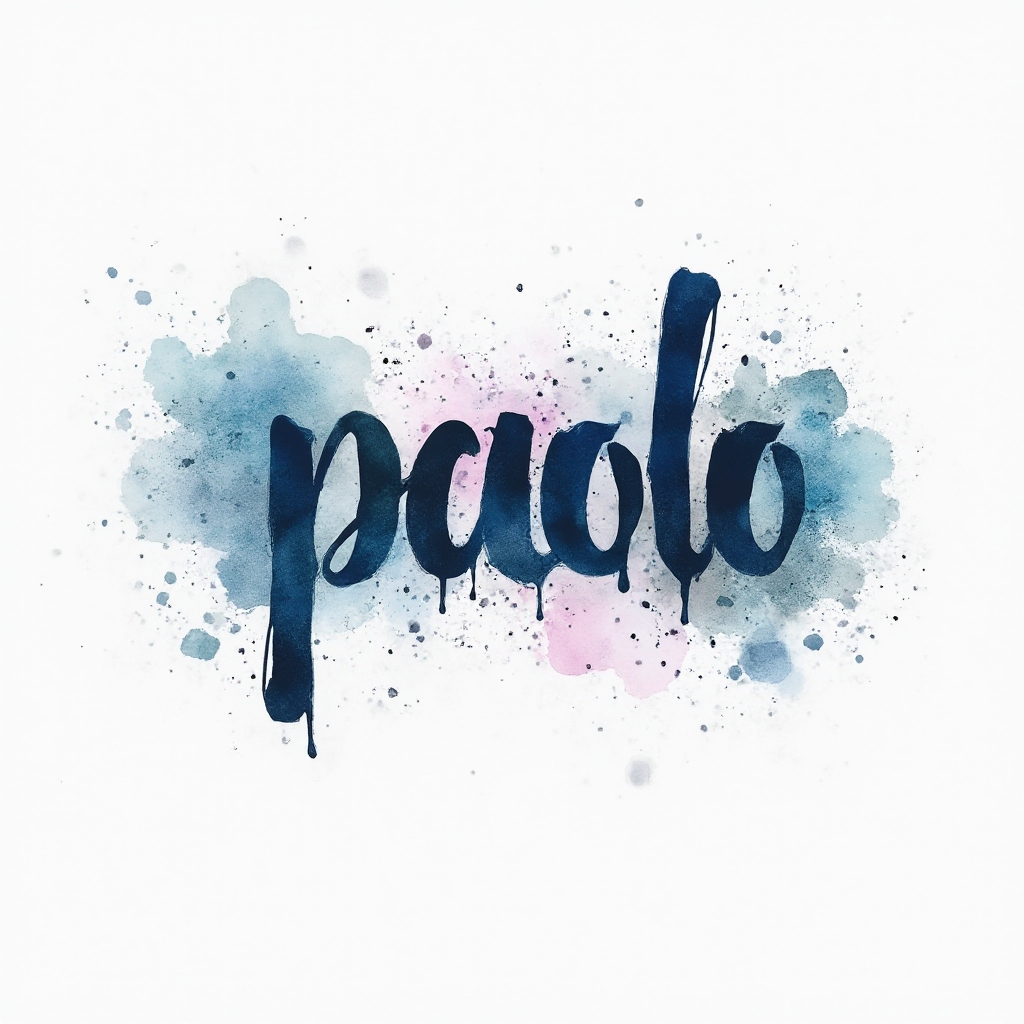
Paolo Watercolor Ink Splash Tattoo Concept

Paolo Surreal Dreamscape Lettering Tattoo
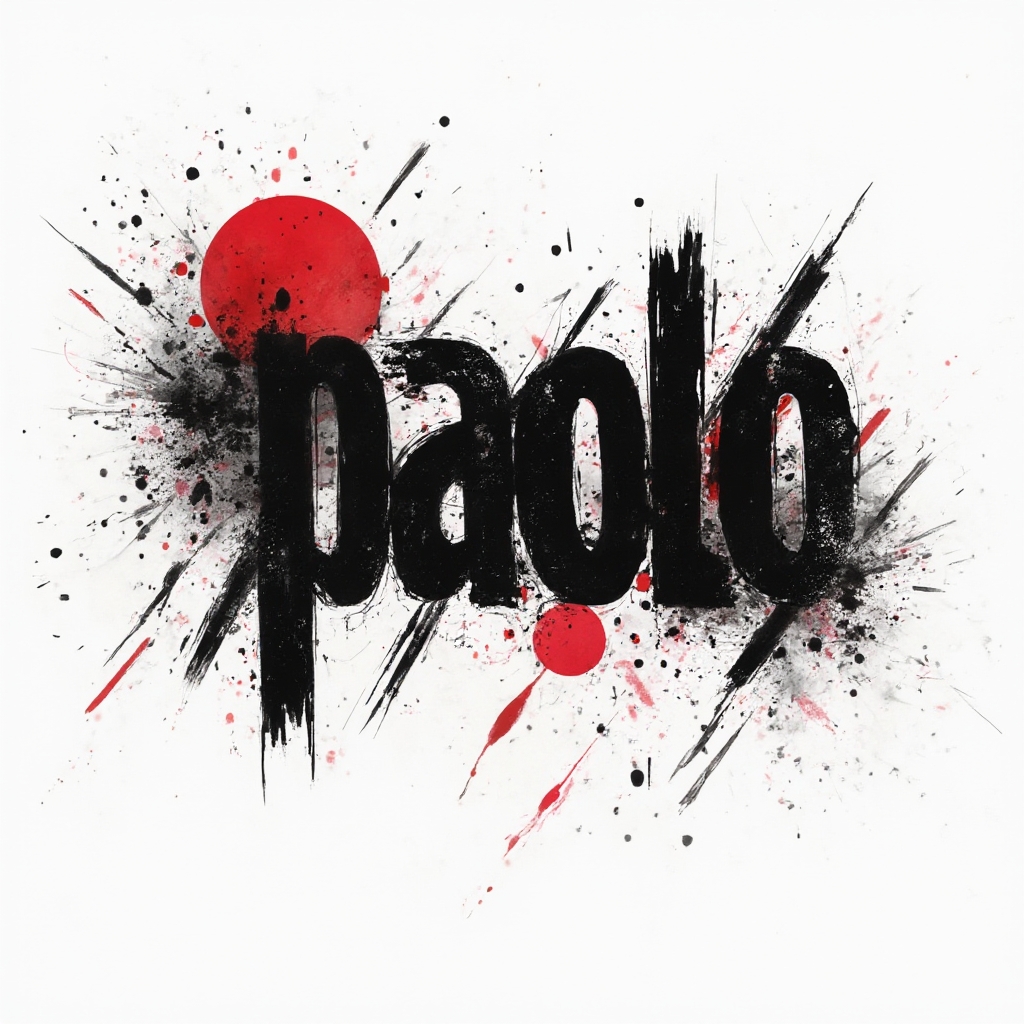
Paolo Trash Polka Contrast Tattoo Design
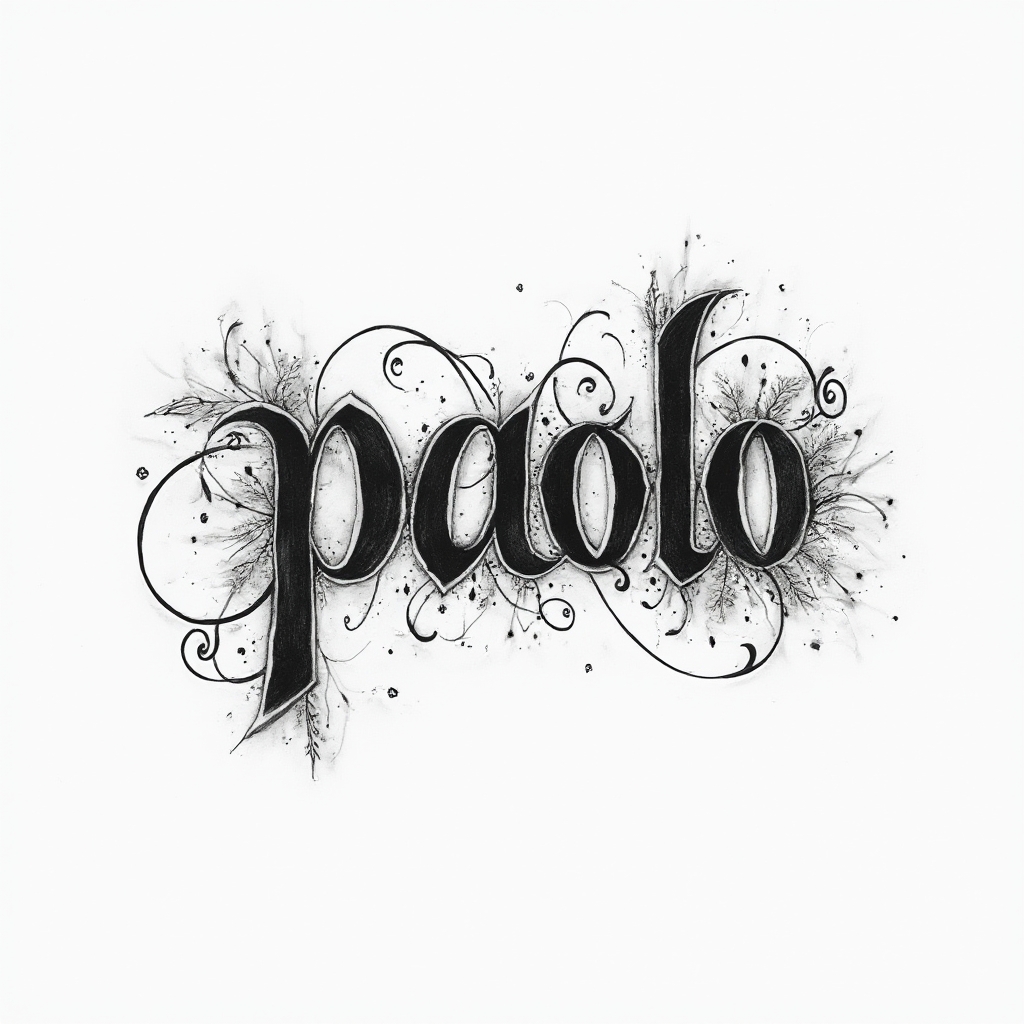
Paolo AI-Original-Style Textured Linework Tattoo
Global distribution & gender ratio
Italy
55.47% of recorded usage
Female: 0.23% · Male: 99.77%
Philippines
16.65% of recorded usage
Female: 0.39% · Male: 99.61%
United States
5.36% of recorded usage
Female: 0.90% · Male: 99.10%
Brazil
2.93% of recorded usage
Female: 0.00% · Male: 100.00%
Mexico
1.83% of recorded usage
Female: 0.88% · Male: 99.12%
You may also like
Similar names
Pablo
This name shares a similar sound with Paolo and carries the meaning of being 'small' or 'humble'. It is a variant commonly used in Spanish-speaking regions.Paul
Paul is a classic name with the same root as Paolo, meaning little or humble.Paula
Paula is the feminine form, with similar roots and meaning of modesty and elegance.Pau
A Catalan version carrying the same meaning of humility.Paolino
A diminutive form, often used affectionately in Italian culture, sharing the humble meaning.Paulus
The Latin origin of the name, embodying the meaning 'small'.Paula
Commonly used in Italian and French-speaking countries, this name bears the same root as Paolo and means humble.Pepe
An affectionate nickname often used in Spanish cultures with a shared root and similar meaning.Pascal
Pascal, though different in root, can carry modest implications similar to those of Paolo.Piero
A name shared in Italian culture, holds a similar sound and resonates with the same cultural essence as Paolo.
Frequently asked questions about paolo
What is the meaning of the name Paolo?
The name Paolo signifies modesty and humility, originating from Latin, often associated with being small or humble.
What is the origin of the name Paolo?
Paolo has its roots in the Italian culture and is derived from the Latin word Paulus, reflecting a rich cultural heritage.
What is the gender association for the name Paolo?
Paolo is predominantly associated with the male gender, especially in Italian-speaking regions.
How popular is the name Paolo?
Paolo enjoys consistent popularity in Italy and Latin American regions, maintaining robust positions in name charts.
How is the name Paolo used globally?
Globally, Paolo is recognized in Italy, Spain, and Portugal, with variations such as Pablo in Spanish regions.
What are common career paths for people named Paolo?
Common career paths include creative arts, leadership roles, academics, and public relations.
What are characteristic features of people named Paolo?
Characteristic features include humility, elegance, composure, and cultural sophistication.
What are similar names to Paolo?
Similar names include Pablo, Paul, Paula, Pau, Paolino, Paulus, Piero, Pascal, and Pepe.