
Meaning of the Name Paul
Origin of the Name Paul
Gender Association of the Name Paul
Popularity of the Name Paul
Global Usage of the Name Paul
Characteristic Features of People Named Paul
humble
Individuals named Paul often exhibit a sense of modesty and simplicity, reflecting the humble nature of their name's meaning.
Intellectual Curiosity
Many Pauls are known for their thirst for knowledge and lifelong learning.
Dependability
Historically associated with reliability, those named Paul are often seen as trustworthy and steadfast.
Empathy
A notable trait is their ability to empathize with others, fostering strong personal relationships.
Leadership
Historically, many leaders have borne the name, showing a propensity for responsible and effective guidance.
Common Career Paths for People Named Paul
Medicine
Many named Paul find themselves drawn to healing professions, inspired by its biblical associations.
Academia
Reflecting their intellectual curiosity, teaching and research are common fields.
Law
The name's emphasis on justice and right-mindedness leads many to pursue legal careers.
Arts
Creativity often flourishes in those named Paul, evidenced by contributions to film, literature, and music.
Leadership Roles
Historical precedence sees Pauls often achieving managerial or pioneering roles in various industries.
Unique and Interesting Characteristics of the Name Paul
Literary Presence
Paul features in several literary works, emblematic of humility or spiritual growth.
Film and Media
Thanks to famous actors named Paul, the name is prominently highlighted in movies.
Historical Figures
Figures like Saint Paul make this name resonant with spiritual and historical importance.
Music Influence
Musicians like Paul McCartney showcase the artistic flair associated with the name.
Philosophical Undertones
The meaning has philosophical depth, evident in how the name is used in theoretical discussions.
Famous People Named Paul
- Paul McCartney: Legendary musician and former member of The Beatles.
- Paul Newman: Distinguished actor and philanthropist.
- Paul Cézanne: Influential Post-Impressionist painter.
- Paul Rudd: Popular actor known for his comedic roles.
- Saint Paul: Prominent apostle and Christian evangelist.
Tattoo design prompts for the name 'paul'

Watercolor Paul

Surreal Paul
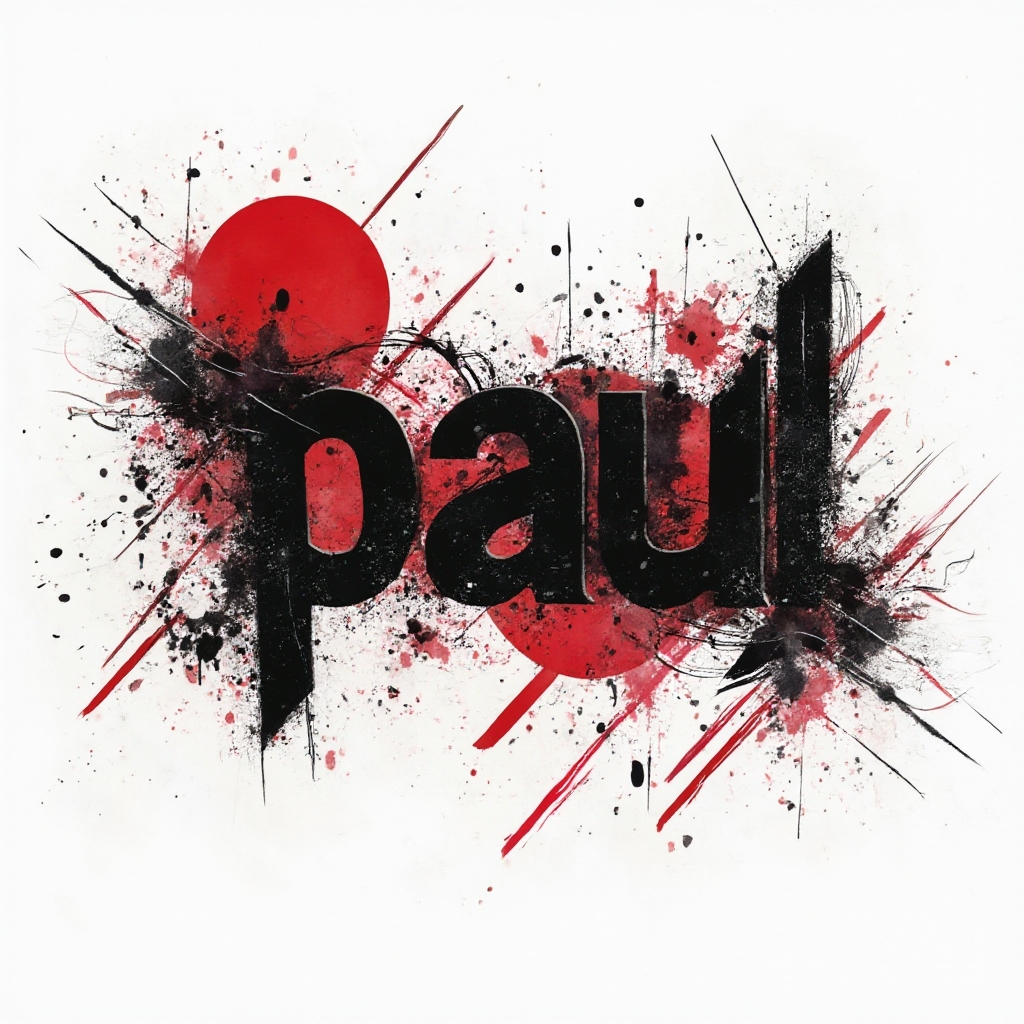
Trash Polka Paul
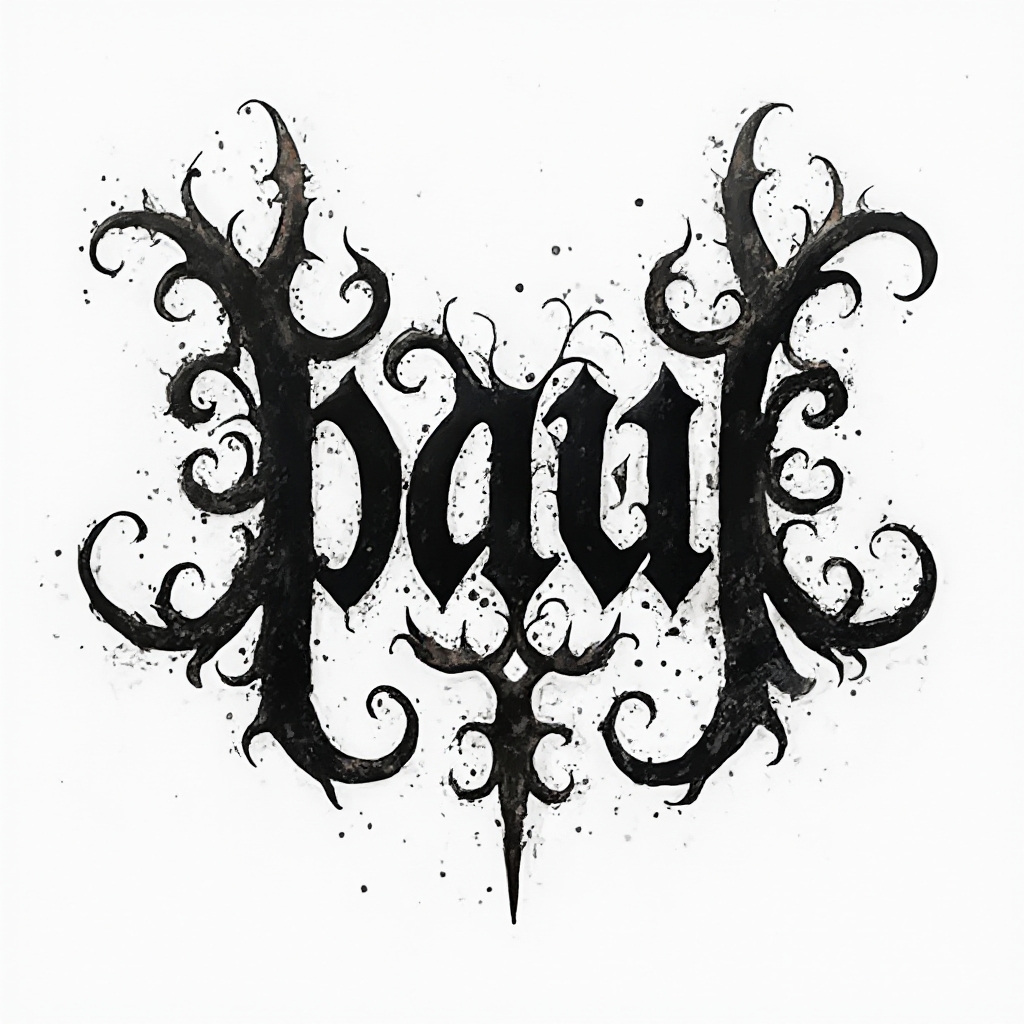
AI-Original-Style Paul
Global distribution & gender ratio
United States
47.33% of recorded usage
Female: 0.49% · Male: 99.51%
United Kingdom
11.72% of recorded usage
Female: 0.21% · Male: 99.79%
Philippines
5.84% of recorded usage
Female: 0.90% · Male: 99.10%
Canada
3.23% of recorded usage
Female: 0.43% · Male: 99.57%
Netherlands
2.71% of recorded usage
Female: 0.31% · Male: 99.69%
You may also like
Similar names
Paolo
Paolo is the Italian version of Paul, reflecting similar meanings of small or humble.Pablo
Pablo is the Spanish counterpart, carrying the meaning of small and is common in Hispanic cultures.Paula
Paula is the feminine variant of Paul, sharing the humble and small roots.Pauline
Often used as a feminine name, Pauline shares the core meaning of humble.Pavel
In Slavic regions, Pavel is used, maintaining the humble meaning of Paul.Pol
A variant found in Welsh and other Celtic languages, also rooted in humbleness.Poul
Used in Denmark, Poul retains the original Latin roots and meaning of small.Pauli
A diminutive form in various Northern European cultures, emphasizing modesty.Apollo
Though distinct, in some cultures Apollo and Paul share symbolic associations with wisdom and humility.Pawel
The Polish version of Paul, continuing the meaning of humble or small.