
Meaning of Pavel
Origin of Pavel
Gender Association of the Name Pavel
Popularity of the Name Pavel
Global Usage of the Name Pavel
Characteristic Features of People Named Pavel
Modesty
Individuals named Pavel are often modest and humble, reflecting the core meaning of their name.
Intelligence
They tend to exhibit high levels of intelligence and analytical skills.
Leadership
Pavels are often seen leading by example, showing natural leadership qualities without aggression.
Empathy
A strong trait for those named Pavel is their empathy, making them good listeners and friends.
Resilience
They possess resilience, often overcoming obstacles with quiet strength.
Creativity
Pavels may show creativity in arts and problem-solving, often innovating in their fields.
Integrity
Individuals with this name are known for their strong moral compass and honesty.
Dependability
They are often seen as reliable and responsible, whether in personal or professional settings.
Common Career Paths for People Named Pavel
Engineering
Pavels tend to excel in technical fields like engineering, where their analytical skills shine.
Leadership Roles
Many Pavels find success in leadership roles due to their innate abilities to lead effectively and with empathy.
Academia
Some find fulfillment in academic careers, researching and teaching, driven by their thirst for knowledge.
Creative Arts
Others might pursue careers in the creative arts, using their imagination in music, literature, or visual arts.
Scientific Research
In scientific fields, Pavels contribute through innovative research and discoveries.
Diplomacy
Their empathy and understanding make them apt for careers in diplomacy and international relations.
Information Technology
The tech industry sees many Pavels flourishing as developers and IT experts.
Healthcare
They may also choose healthcare professions, motivated by a desire to help others and make a difference.
Unique and Interesting Characteristics of the Name Pavel
Literary Connections
The name Pavel has been featured in various literary works, symbolizing humility and wisdom.
Historical Figures
Many historical elites bore the name, contributing to its regal yet approachable aura.
Cultural Significance
In <strong>Russia</strong>, Pavel is not just a name but part of cultural songs and folklore.
Sports Influence
With athletes like Pavel Bure, the name carries a significant sports legacy.
Variant Names
While Pavel is popular in Eastern Europe, its variants like Paul have international fame.
Religious Connotations
It shares origin roots with Saint Paul, adding a religious significance.
Pop Culture
The name sometimes appears in films and TV shows, enhancing its familiarity.
Etymological Roots
Its deep etymological roots link it to ancient languages and timeless virtues.
Famous People Named Pavel
- Pavel Bure: Russian ice hockey player, known as the 'Russian Rocket'
- Pavel Datsyuk: Russian professional ice hockey player known for his puck skills
- Pavel Nedvěd: Retired Czech professional footballer and Ballon d'Or winner
- Pavel Tsatsouline: Fitness coach known for popularizing kettlebell training in Western countries
Pavel Artistic Tattoo Design Collection

Pavel Watercolor Ink Splash Tattoo Concept

Pavel Surrealism Dreamscape Lettering Tattoo
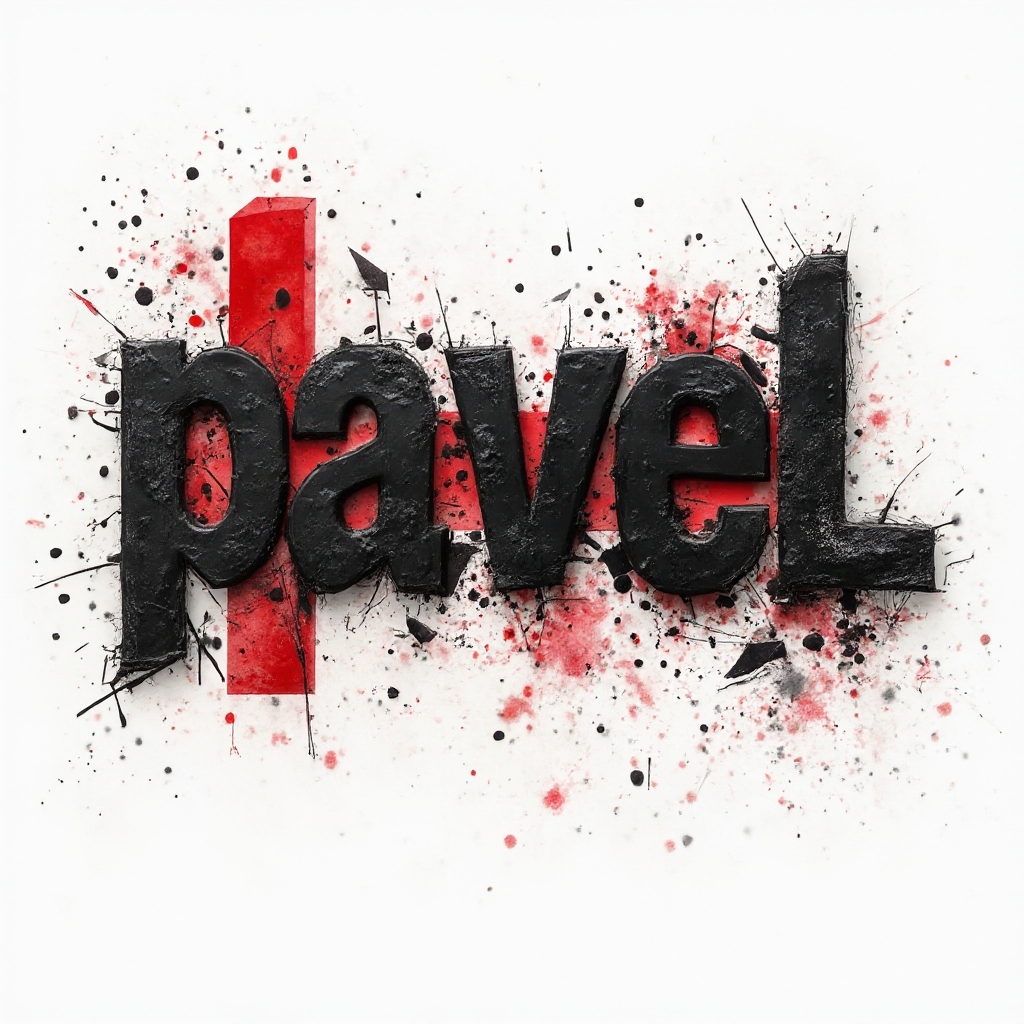
Pavel Trash Polka Grunge Lettering Tattoo

Pavel AI-Original-Style Abstract Dimension Tattoo
Global distribution & gender ratio
Russia
50.02% of recorded usage
Female: 0.44% · Male: 99.56%
Czechia
13.66% of recorded usage
Female: 0.38% · Male: 99.62%
Ukraine
8.04% of recorded usage
Female: 0.32% · Male: 99.68%
Belarus
3.21% of recorded usage
Female: 0.00% · Male: 100.00%
Mexico
3.03% of recorded usage
Female: 0.42% · Male: 99.58%
You may also like
Similar names
Pawel
A Polish variation that conveys the same meaning as Pavel, denoting humility and modesty.Pavlo
A Ukrainian form that also stresses smallness and humility.Paulus
Directly derived from Latin, it highlights humbleness and serves as a root for Pavel.Paul
An English variant with the same root, emphasizing modesty and gentle strength.Pavlík
Czech diminutive form, maintaining the core meanings of smallness and meekness.Pablo
A Spanish variant that shares the meanings of small and humble.Paavo
A Finnish equivalent linked to the same meaning of humbleness.Paweł
Closely aligned with Pavel, predominantly used in Poland with similar implications.Pavelus
A lesser-used variant, focusing on the origin of religious significance.Paolino
An Italian diminutive form, which also conveys meanings of smallness.
Frequently asked questions about pavel
What is the meaning of the name Pavel?
Pavel means small and humble, derived from the Latin Paulus, symbolizing modesty.
What is the origin of the name Pavel?
Pavel has Slavic origins with strong connections to Russia and Czech cultures.
Is Pavel a male or female name?
Pavel is predominantly a male name, widely used throughout Eastern Europe.
How popular is the name Pavel?
Pavel enjoys consistent popularity in Russia and the Czech Republic.
How is the name Pavel used globally?
Globally, Pavel is recognized, especially in Eastern European cultures, with slight pronunciation variations.
What are common careers for people named Pavel?
Pavels often pursue careers in engineering, leadership, academia, and creative arts.
What are the characteristic features of people named Pavel?
People named Pavel are known for modesty, intelligence, leadership, empathy, and creativity.
What are some similar names to Pavel?
Similar names include Pawel, Pavlo, Paulus, Paul, and Pablo, among others.
Who are some famous people named Pavel?
Famous individuals named Pavel include Pavel Bure and Pavel Datsyuk, known for their achievements in sports.