
Meaning of Pedro
Origin of Pedro
Gender Association of the Name Pedro
Popularity of the Name Pedro
Global Usage of the Name Pedro
Characteristic Features of People Named Pedro
Strength
Individuals named Pedro often display a remarkable inner strength and resilience, reflecting the 'rock' symbolism.
Leadership
Many Pedros exhibit natural leadership abilities, often taking charge in group settings.
Dependability
Like the steadfastness of a rock, those named Pedro are known for being reliable and trustworthy.
Calmness
Pedros often maintain a serene and composed demeanor even in challenging situations.
Creativity
Despite their grounded nature, Pedros can be quite creative, particularly in problem-solving scenarios.
Empathy
Their strong sense of responsibility often extends to a genuine care for others’ wellbeing.
Tradition
Individuals with this name may cherish cultural traditions and values, often seen in their lifestyle choices.
Balance
Pedros can maintain a well-balanced outlook on life, juggling personal and professional lives adeptly.
Ambition
Driven by a strong sense of purpose, many with this name are goal-oriented and career-focused.
Loyalty
Loyalty is a cornerstone trait, making them reliable friends and partners.
Common Career Paths for People Named Pedro
Leadership Roles
With innate leadership skills, many Pedros find success in managerial and executive positions.
Creative Fields
The artistic side leads many into careers in writing, film, or design, where they can express their creativity.
Engineering
The association with 'rock' makes engineering a suitable field, utilizing their logical and analytical skills.
Education
Pedros often make excellent educators, sharing their values and knowledge with future generations.
Healthcare
The empathetic nature of Pedros often draws them to medicine or psychology, helping others to heal and grow.
Public Service
Driven by a sense of duty, many Pedros find fulfillment in public service or government roles.
Law
Their balanced approach and passion for justice make law an appealing field.
Business
With strong integrity, Pedros often thrive in business, whether as entrepreneurs or in corporate environments.
Technology
Curious and innovative, technology provides a suitable arena for Pedros to explore new frontiers.
Humanitarian Work
A dedication to making a difference steers some Pedros towards humanitarian efforts.
Unique and Interesting Characteristics of the Name Pedro
Historical Legacy
Pedro has historical resonance, often used by kings and leaders in Spanish and Portuguese history.
Literary Presence
The name is found in works of literature and drama, adding to its timeless allure.
Cultural Depiction
In films and media, Pedro is often portrayed as a noble and courageous character, reflecting its noble background.
Religious Importance
St. Peter, one of the apostles, is known as Pedro in Spanish-speaking areas, connecting the name to religious heritage.
Musical Inspiration
Several operas and compositions have been inspired by or feature characters named Pedro, underscoring its artistic impact.
Global Influence
Although it’s a staple in Hispanic countries, the name’s influence extends globally, cherished in communities worldwide.
Celebrity Usage
Numerous celebrities and public figures with the name Pedro have further popularized it, spanning various industries.
Festive Associations
In certain cultures, namesake days or festivals celebrate individuals named Pedro, enhancing community spirit.
Name Variations
Variations like Peter and Pierre offer its timeless appeal in different linguistic contexts.
Symbolic Representation
It often symbolizes strength and faith within narratives both historical and modern.
Famous People Named Pedro
- Pedro Almodóvar: Renowned Spanish film director and producer.
- Pedro Pascal: Acclaimed actor known for roles in hit series and films.
- Pedro Martínez: Celebrated Hall of Fame baseball pitcher from the Dominican Republic.
- Pedro Alvares Cabral: Portuguese navigator who led the first European expedition to Brazil.
- Pedro de la Rosa: Spanish Formula One driver, known for his skills on the racing circuit.
Pedro Name Tattoo Designs Collection
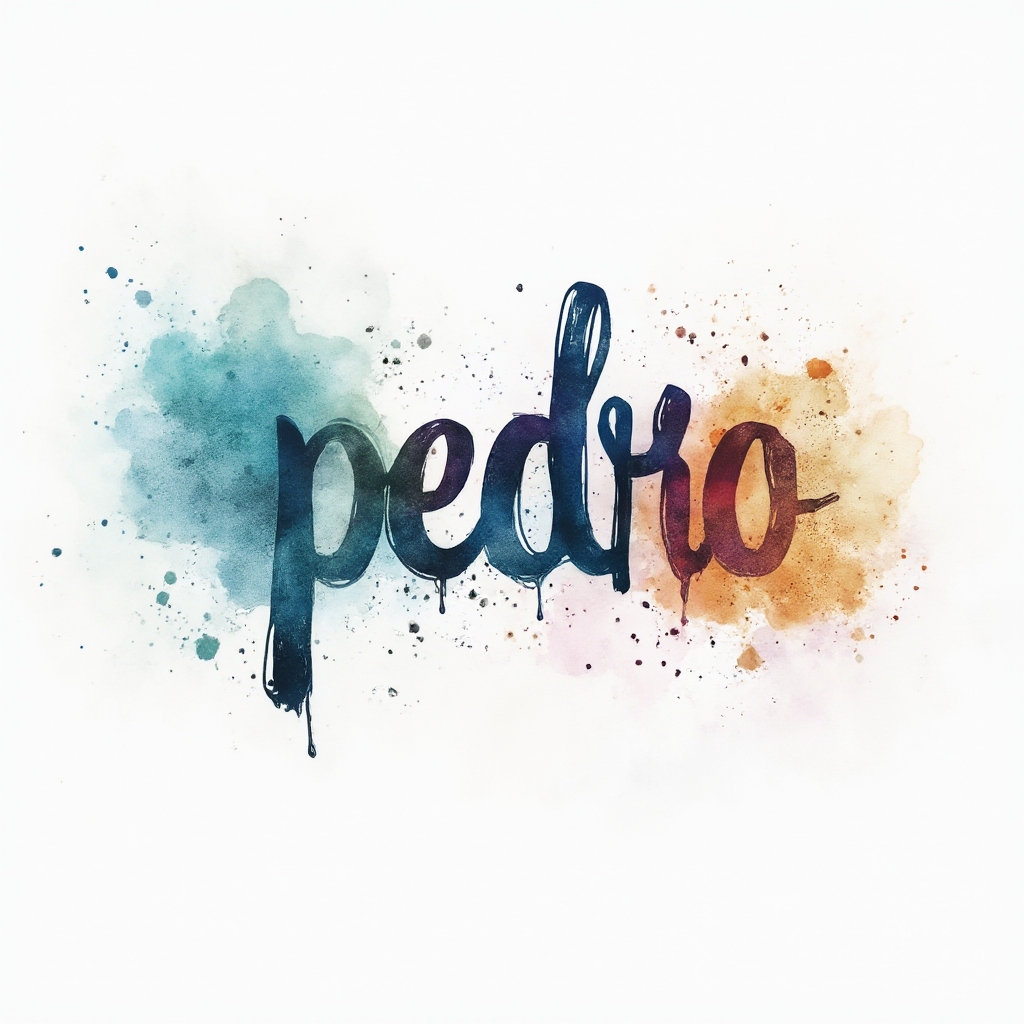
Watercolor Pedro Flow
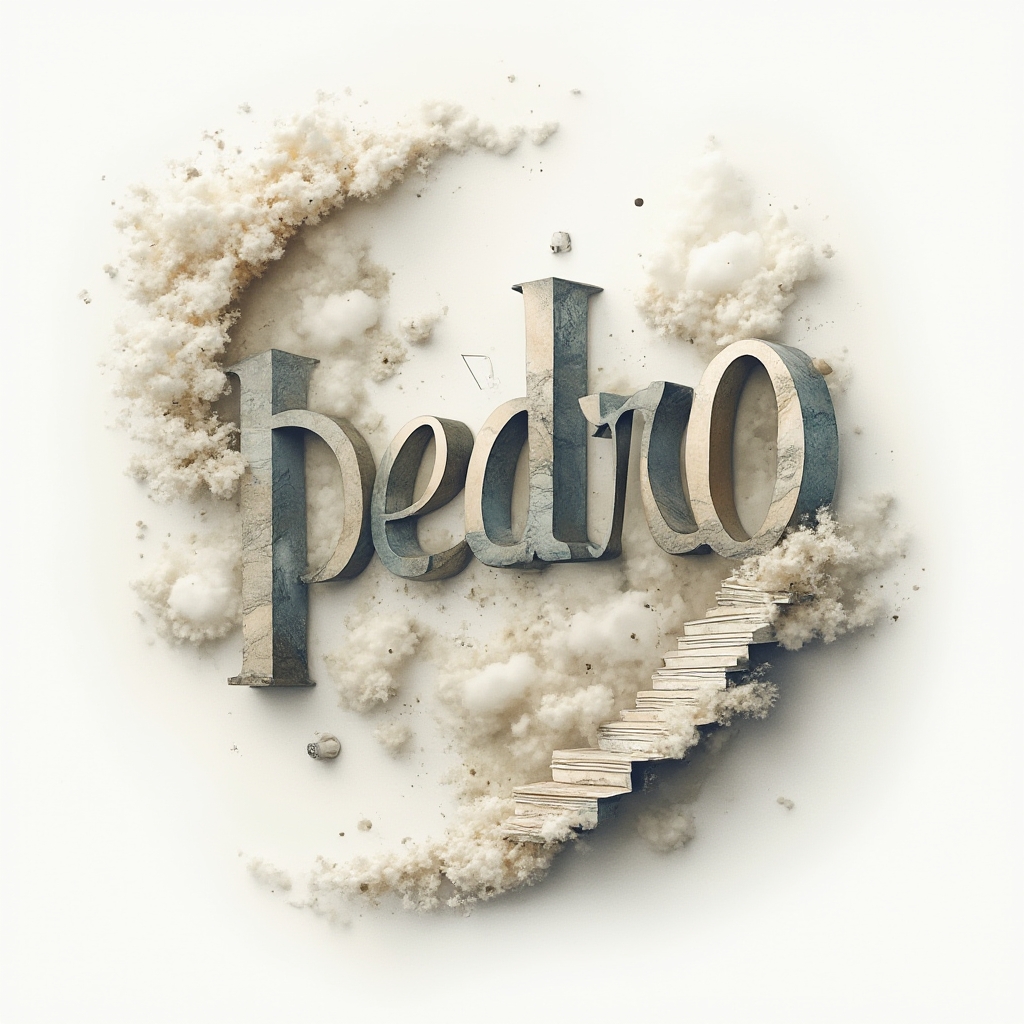
Surreal Pedro Dreamscape
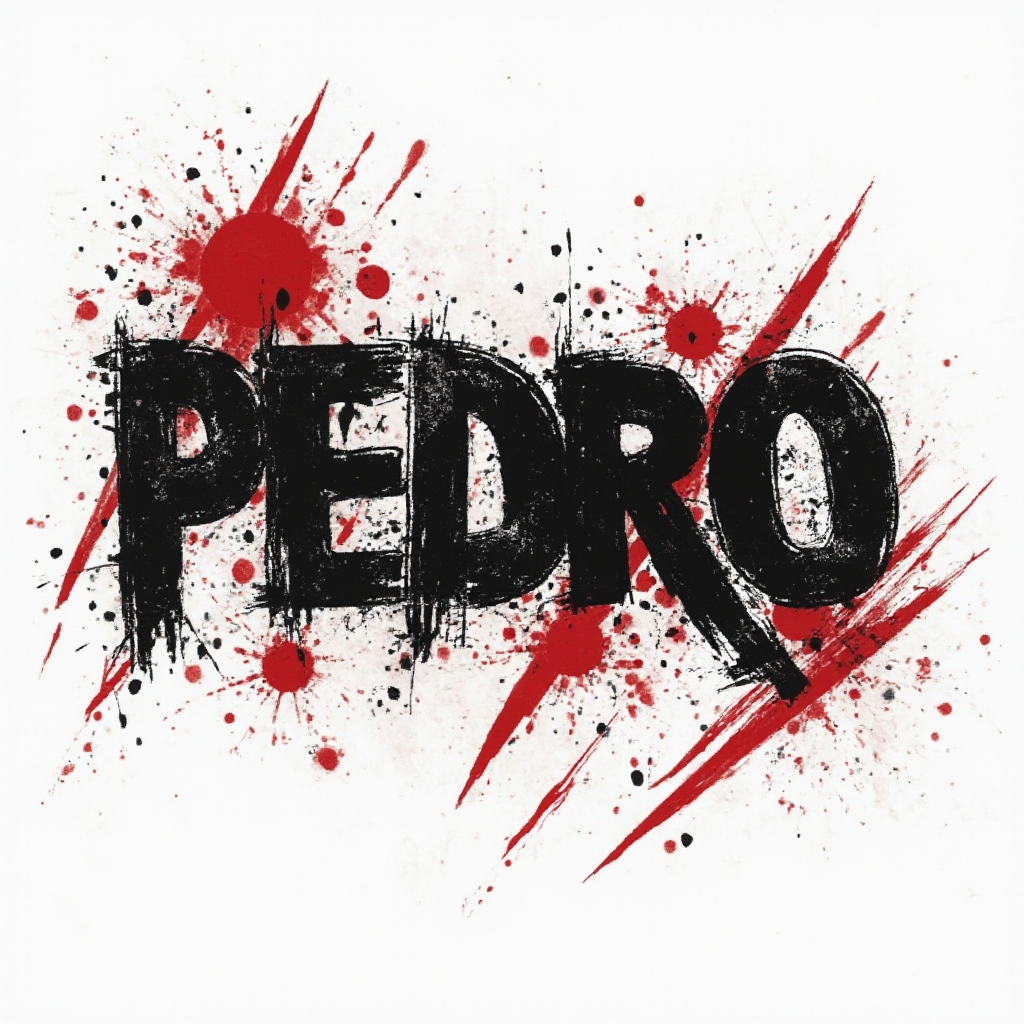
Trash Polka Pedro Clash
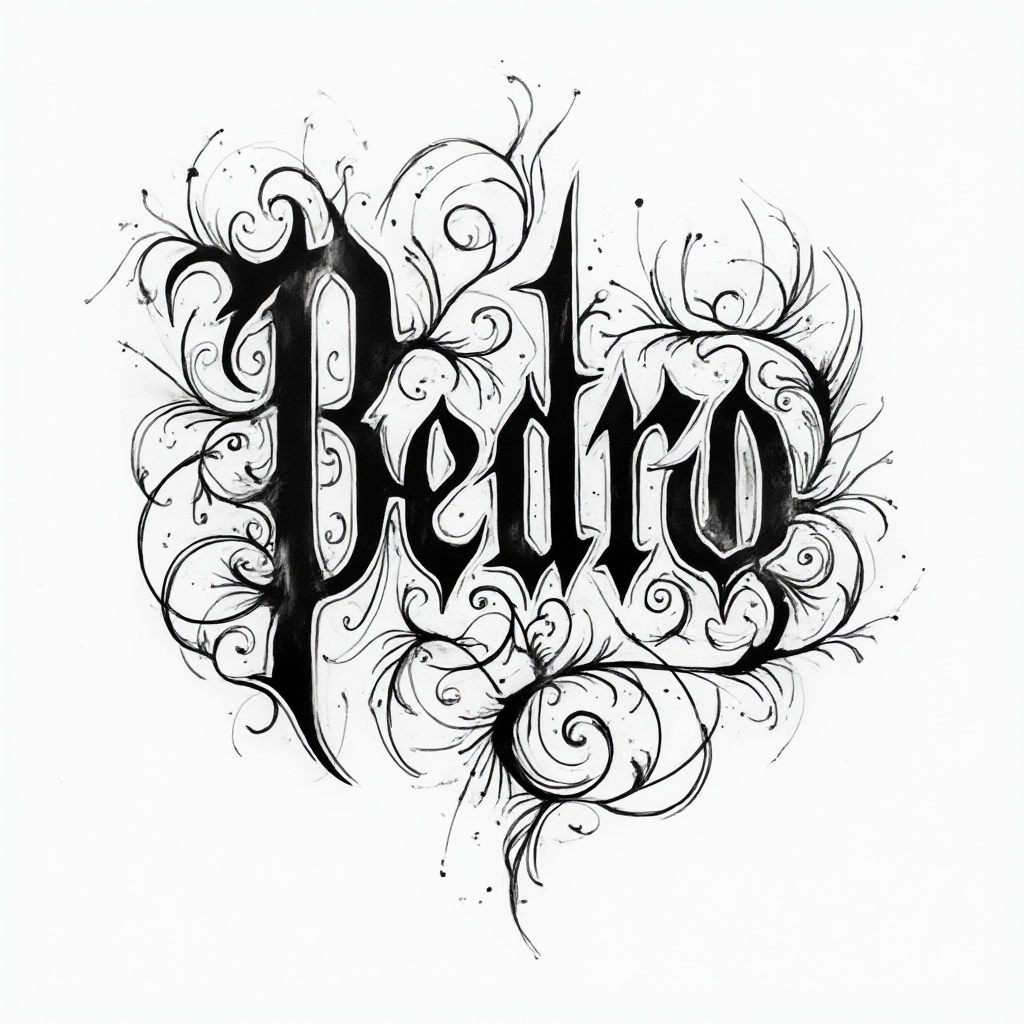
AI-Original-Style Pedro Sigil
Global distribution & gender ratio
Brazil
64.23% of recorded usage
Female: 0.45% · Male: 99.55%
Mexico
8.01% of recorded usage
Female: 0.32% · Male: 99.68%
Portugal
7.55% of recorded usage
Female: 0.34% · Male: 99.66%
United States
4.13% of recorded usage
Female: 0.45% · Male: 99.55%
Spain
3.82% of recorded usage
Female: 0.55% · Male: 99.45%
You may also like
Similar names
Pablo
Shares a cultural heritage with Pedro, renowned for its vibrant energy. Themeaning is rooted in humility and protection, a counterpart in strength and dependability.Paco
A diminutive form of Francisco, often carries a friendly and approachable aura, invoking meaning associated with freedom and lightness.Pietro
The Italian equivalent, rich in historical and architectural symbolism. The meaning aligns with steadfastness and foundation.Paulo
Another variant common in Portuguese-speaking countries, echoing themes of modesty and balance. It shares the meaning of smallness, representing humility.Petro
Ukrainian counterpart of Pedro, often used in Slavic countries. The name retains the meaning of stone, embodying endurance.Pierre
French variation, carries an aura of elegance and sophistication, synonymous with meaning related to strong and solid foundations.Pierce
An anglicized form with a unique twist, often invoking meaning of strength and affection, common in English-speaking regions.Peer
Dutch and Scandinavian variant, retains the central meaning of rock and resilience, common across Northern Europe.Petros
Greek derivative, closely tied to the original linguistic roots. The meaning remains centered around robustness and dependability.Piotr
Polish form, exuding a classic Eastern European charm. The meaning holds steadfast to the idea of a strong base or rock.