
Understanding the Meaning of the Name Paulo
The Historical Origin of the Name Paulo
Gender Association of the Name Paulo
Popularity of the Name Paulo
Global Usage of the Name Paulo
Characteristic Features of People Named Paulo
Humble
People named Paulo often display a strong sense of humility. They are unassuming and tend to underplay their own achievements, preferring simplicity and modesty in their demeanor.
Friendly
Known for their approachable nature, individuals named Paulo are generally perceived as friendly and easy to connect with. They make an effort to create a welcoming atmosphere in their personal and professional lives.
Creative
The artistic flair is often highlighted in Paulos, with many showing a keen interest in creative pursuits such as music, writing, or art. They are known to embrace imaginative thinking and often engage in activities that allow for self-expression.
Empathetic
Empathy is a vital trait found in people named Paulo. They often display a deep understanding and consideration for others' feelings, forging strong and meaningful relationships by offering genuine support.
Resilient
Despite challenges or setbacks, individuals with the name Paulo tend to be resilient, showing an ability to bounce back and adapt to changing circumstances with grace and strength.
Common Career Paths for People Named Paulo
Artistic Professions
Many individuals named Paulo are drawn to careers in the arts, such as painting, music, or theater, where they can creatively express themselves.
Educational Fields
A strong inclination towards helping others may lead Paolos into teaching or educational professions, where they can share knowledge and wisdom with students.
Humanitarian Efforts
With a deep sense of empathy and care, Paolos may find fulfillment in working for non-profit organizations, advocating for social justice and community betterment.
Technical Careers
Some may find technical or engineering occupations appealing, offering solutions and innovations within scientific or technological fields.
Literary Pursuits
Writing, editing, or publishing may attract individuals with the name Paulo, where their creative vision and articulate abilities can shine.
Unique and Interesting Characteristics of the Name Paulo
Pop Culture Reference
The name Paulo has been popularized by acclaimed author Paulo Coelho, whose works have achieved global recognition, linking the name with creativity and philosophical thought.
Historical Significance
Derived from the Latin 'Paulos,' the name reflects deep historical roots, echoing through time from its Roman origins to modern-day usage.
Cultural Ties
In regions like Brazil and Portugal, Paulo is seen as a name steeped in tradition, often chosen for its strong ties to cultural identity and heritage.
Global Recognition
As a given name, Paulo transcends borders, allowing individuals bearing it to connect with diverse backgrounds and shared linguistic history accessible through its many cultural adaptations.
Symbolic Meanings
The name often symbolizes humility and simplicity, making it a favored choice among parents who value these virtues in a child's character development.
Famous People Named Paulo
- Paulo Coelho: Renowned Brazilian author known for 'The Alchemist'
- Paulo Dybala: Notable Argentine footballer
- Paulo Sousa: Distinguished Portuguese football manager and former player
- Paulo Freire: Influential Brazilian educator and philosopher
- Paulo Autuori: Acclaimed Brazilian football manager
- Paulo Vilhena: Brazilian actor and television presenter
- Paulo Costanzo: Canadian actor known for roles in 'Royal Pains'
- Paulo Londra: Argentine singer and songwriter
- Paulo Mendes da Rocha: Prominent Brazilian architect
- Paulo Gazzaniga: Argentine professional football goalkeeper
Tattoo Design Prompts for the Name 'paulo'

Watercolor Aura

Surreal Dreamscape
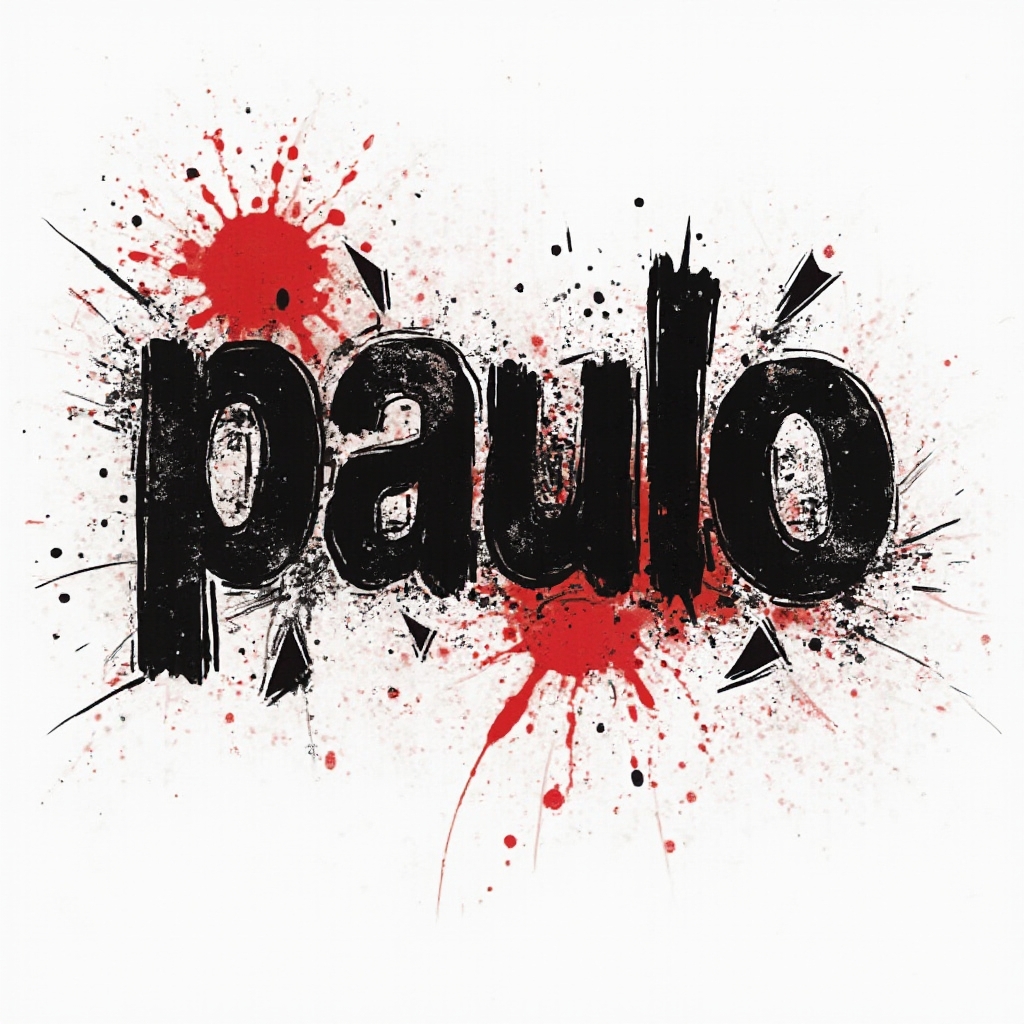
Trash Polka Impact
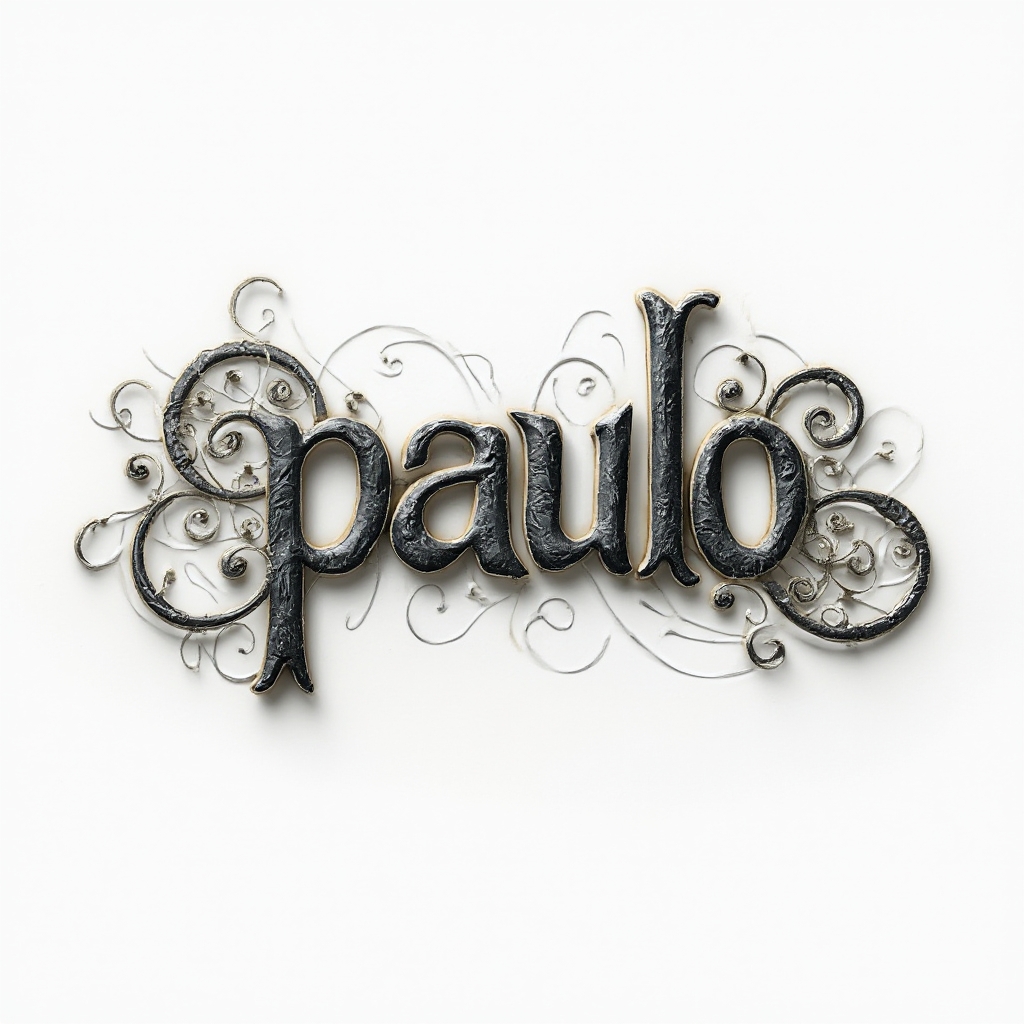
AI-Original-Style Eclipse
Global distribution & gender ratio
Brazil
86.81% of recorded usage
Female: 0.52% · Male: 99.48%
Portugal
3.87% of recorded usage
Female: 0.19% · Male: 99.81%
United States
1.81% of recorded usage
Female: 0.54% · Male: 99.46%
Philippines
1.51% of recorded usage
Female: 0.00% · Male: 100.00%
Mexico
0.98% of recorded usage
Female: 0.50% · Male: 99.50%
You may also like
Similar names
Paolo
Paolo is an Italian variation, maintaining the same Latin meaning of 'small' or 'humble' as Paulo. It's predominantly used in Italy, expressing charm and simplicity.Pablo
The Spanish counterpart of Paulo, Pablo carries the same meaning of modesty and is quite popular in Spanish-speaking countries.Paul
Paul is the English variant, also rooted in Latin, embodying the same qualities of restraint and humbleness reflected in Paulo.Pavlo
A Slavic version, Pavlo retains the meaning of 'small' and is typical in regions like Ukraine.Paulus
An ancient and classical form of the name, Paulus emphasizes its Roman origins with the same foundational meaning.Paulin
Common in France, Paulin is a diminutive form, echoing the enduring meaning of strength found in modesty.Paulo
A Scandinavian version remaining loyal to the Latin roots, Paulinho serves as a diminutive form often used affectionately.Pasha
A unique and modern interpretation, Pasha is often used in contemporary contexts while retaining the essence of modesty.Pawel
A Polish version of Paulo, Pawel carries the same Latin heritage and meaning of 'small' or 'humble'.Paulusz
Commonly found in regions like Hungary, Paulusz reflects the same classical and enduring qualities associated with the name Paulo.