
Meaning of the Name Rodolpho
Origin and History of Rodolpho
Gender of the Name Rodolpho
Popularity of Rodolpho
Global Usage of Rodolpho
Personality Traits Associated with Rodolpho
Leadership
Often perceived as naturally guiding and organizing others with quiet confidence.
Loyalty
Strong sense of commitment to family, friends, and chosen responsibilities.
Strategic Mind
Inclined toward thoughtful planning and long-term vision.
Calm Strength
Projects stability and resilience even under pressure.
Dignity
Carries a composed, respectful presence in social and professional settings.
Career Paths for People Named Rodolpho
Executive or Manager
Utilizes organizational skills and leadership instincts.
Engineer
Applies analytical thinking and structured problem-solving.
Lawyer or Judge
Aligns with a sense of justice, order, and responsibility.
Entrepreneur
Channels ambition into building and guiding new ventures.
Professor or Researcher
Suits a reflective, knowledge-driven personality.
Unique Facts About the Name Rodolpho
Medieval Heritage
The name traces back to noble and knightly lineages across Europe.
Literary Variants
Related forms such as Rudolph and Rodolfo appear in classic literature and opera.
Multiple Spellings
The "ph" spelling gives Rodolpho a distinctive, old-world flair.
Cross-Cultural Adaptation
Easily adapted in spelling and pronunciation across Romance and Germanic languages.
Famous People Named Rodolpho
- Rodolpho Amoedo: Brazilian painter known for academic and symbolist works.
- Rodolpho Bottino: Brazilian actor, chef, and television presenter.
- Rodolpho Simoes Flores: Brazilian jurist and public figure.
- Rodolpho Ilari: Brazilian linguist and academic.
How to Pronounce Rodolpho in Germanic/Portuguese
/ʁo.ˈdow.fo/ — Rodolpho
- /ʁo/: A guttural "r" followed by an "o" as in "more" (European Portuguese).
- /ˈdow/: Stressed syllable, sounding like "doh" with a slight "w" glide.
- /fo/: Soft "f" sound followed by "o" as in "foe".
roh-DOH-fo
Tattoo Design Ideas Featuring the Name Rodolpho

Watercolor Rodolpho Tattoo Design
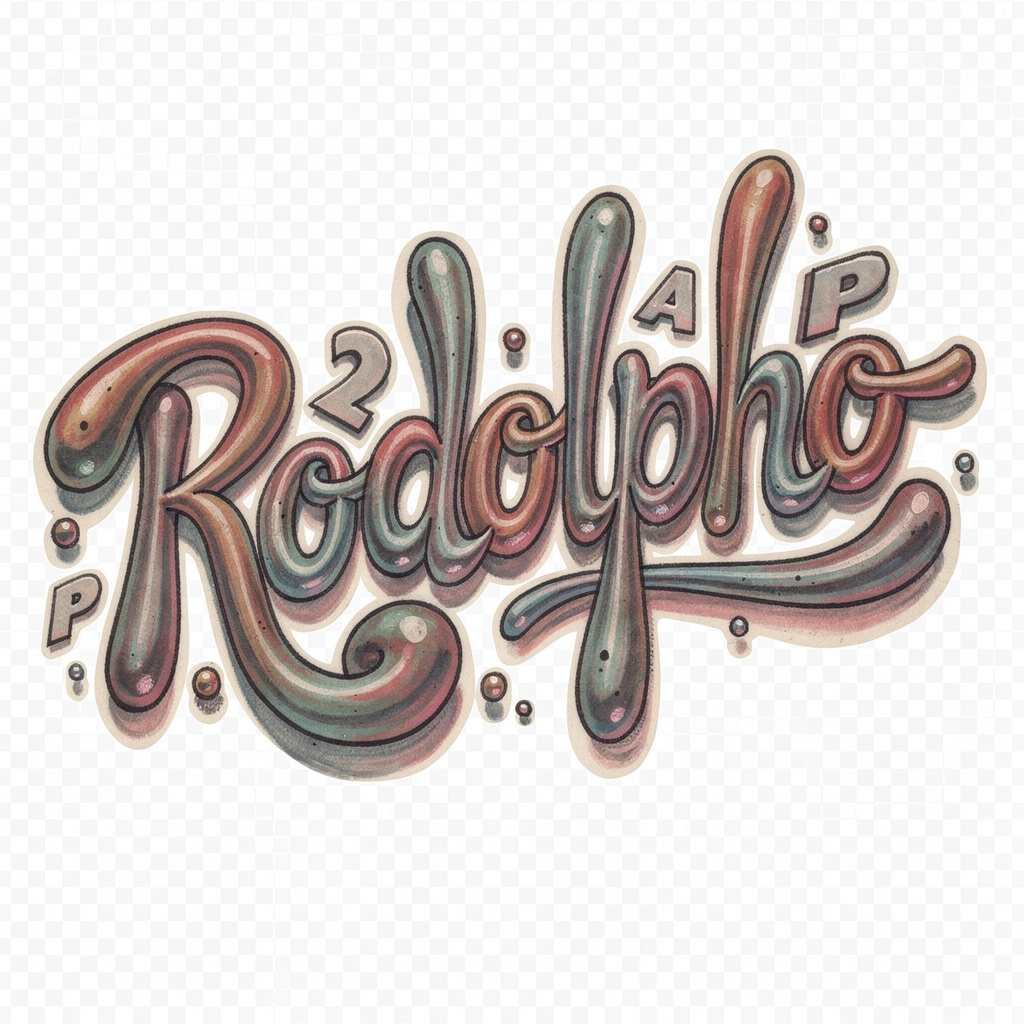
Surrealist Rodolpho Tattoo Concept
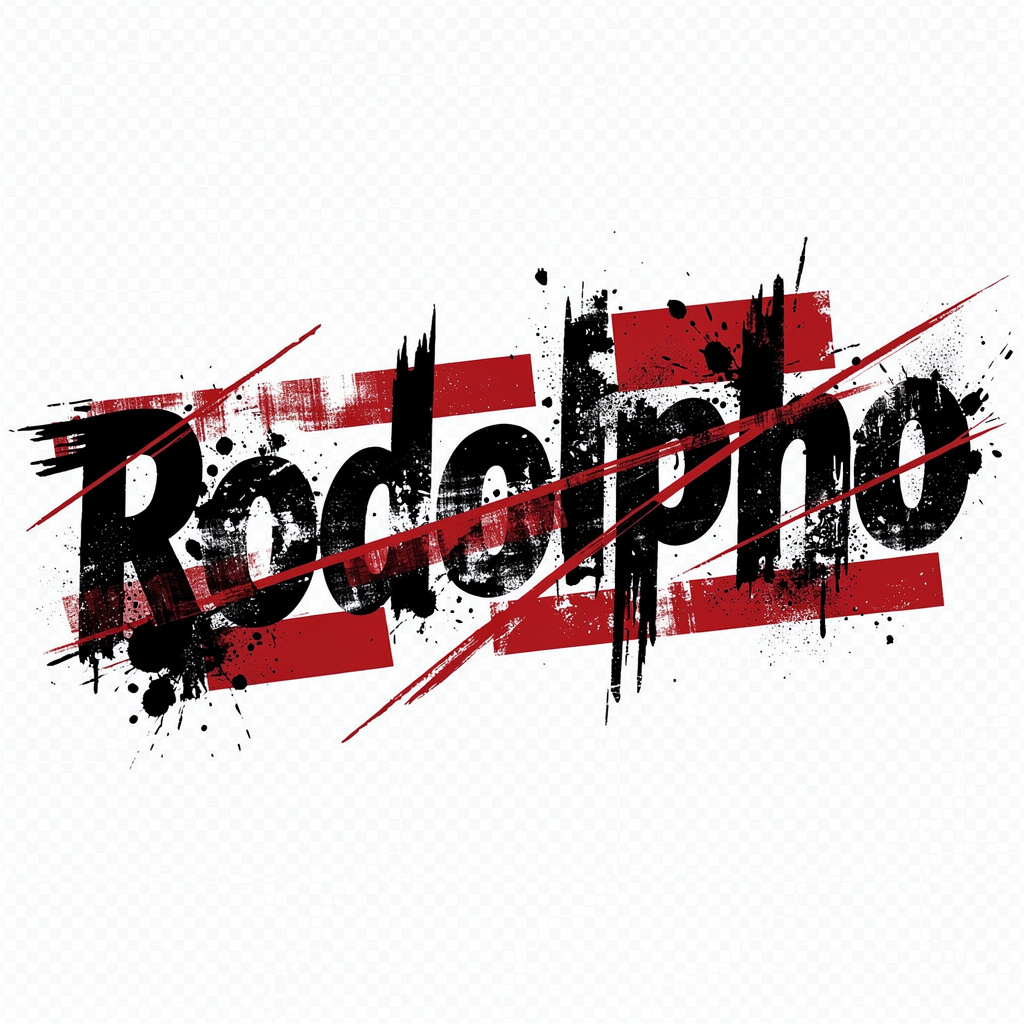
Trash Polka Rodolpho Tattoo Artwork
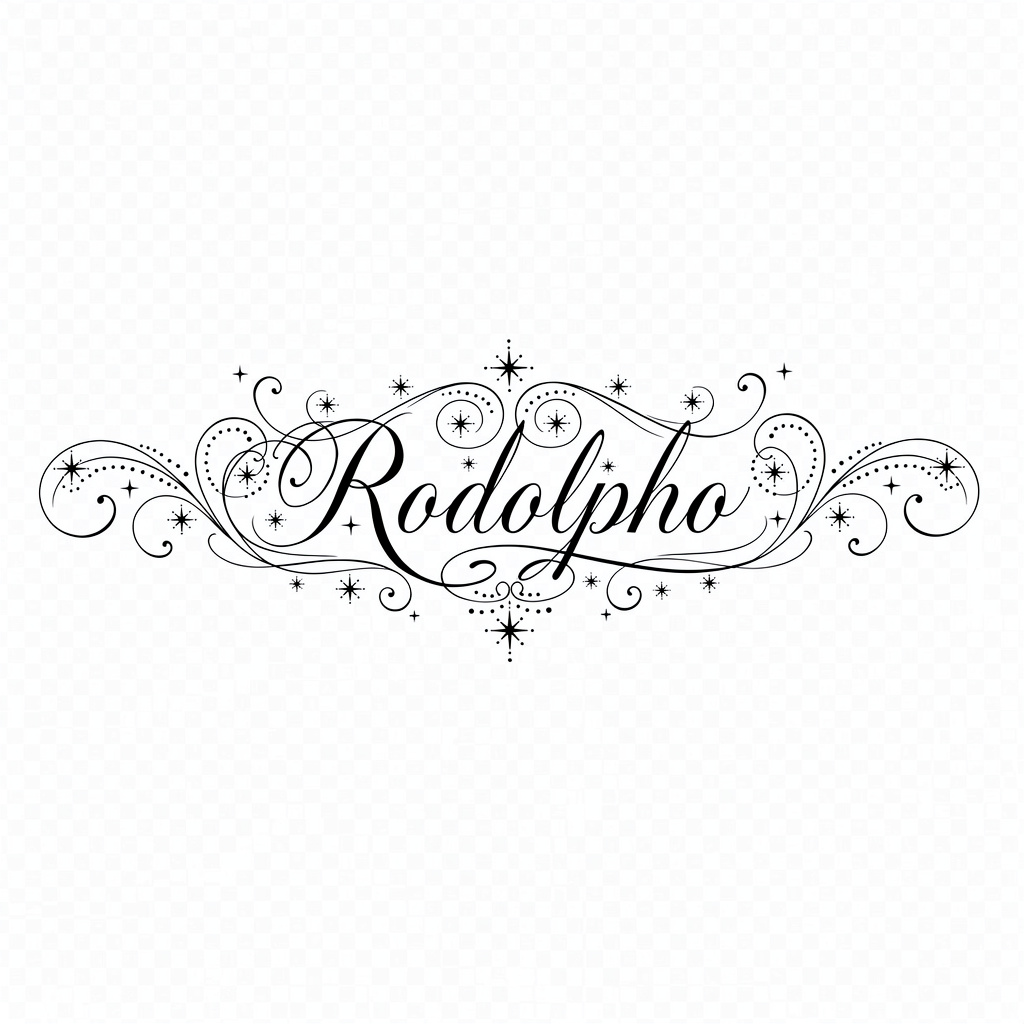
NebulaScript Rodolpho Tattoo Style
Global distribution & gender ratio
Brazil
93.91% of recorded usage
Female: 0.19% · Male: 99.81%
United States
2.15% of recorded usage
Female: 0.00% · Male: 100.00%
Ireland
0.72% of recorded usage
Female: 0.00% · Male: 100.00%
United Kingdom
0.72% of recorded usage
Female: 0.00% · Male: 100.00%
Colombia
0.36% of recorded usage
Female: 0.00% · Male: 100.00%
You may also like
Similar names
Rodolfo
Related form with the same core meaning of famous wolf and noble strength.Rudolph
Germanic-rooted name sharing the idea of fame, glory, and a protector figure.Rolf
Short form conveying the essence of a renowned wolf or celebrated warrior.Raul
Name associated with wolf counsel and wise leadership.Rudolfo
Variant spelling reflecting the same noble and illustrious heritage.Adolfo
Shares the element "-dolfo" linked to noble wolf and distinguished fighter.Randolph
English name tied to shield wolf and brave protector symbolism.Roderick
Germanic-origin name emphasizing famous ruler and renowned leader.Rudger</name>,
Roland
Classic name signifying a famous land ruler and heroic defender.
Frequently asked questions about rodolpho
What does the name Rodolpho mean?
Rodolpho generally means a noble and famous protector, combining ancient Germanic elements related to fame, glory, and wolf-like strength.
What is the origin of the name Rodolpho?
The name Rodolpho comes from Germanic roots, especially the elements for fame (Hrod) and wolf (Wulf), and later spread through Europe, particularly in Portuguese and Spanish forms.
Is Rodolpho a male or female name?
Rodolpho is traditionally a male given name and is overwhelmingly used for boys and men across most cultures.
How do you pronounce Rodolpho?
In Portuguese, Rodolpho is commonly pronounced approximately as roh-DOH-fo, with stress on the second syllable.
How popular is the name Rodolpho?
Rodolpho is moderately rare and does not usually appear in top-100 baby name lists, but it maintains steady use, especially in Brazil and other Portuguese- or Spanish-speaking regions.