
Meaning of the Name Sultan
Origin of the Name Sultan
Gender Association of the Name Sultan
Popularity of the Name Sultan
Global Usage of the Name Sultan
Characteristic Features of People Named Sultan
Leadership Qualities
Individuals named Sultan often exhibit strong leadership and decision-making abilities, resembling the historical significance of the name as a ruler.
Confident Presence
They tend to have a commanding and charismatic presence, naturally attracting respect from peers and colleagues.
Highly Ambitious
These individuals are driven by goals and ambitions, with a persistent nature to achieve greatness in their endeavors.
Cultural Awareness
Having strong ties to cultural history, people named Sultan often show a deep appreciation and understanding of their heritage.
Noble Demeanor
With a name synonymous with royal lineage, they inherently carry a noble touch in their behavior and interactions.
Common Career Paths for People Named Sultan
Leadership and Management
Given the commanding nature of the name, many find success in executive roles where they can lead teams and manage operations effectively.
Diplomatic and Government Roles
Individuals with this name often engage in careers associated with diplomacy or governmental positions, channeling their inherent leadership abilities.
Business and Entrepreneurship
Sultan-named people frequently venture into business, seeking innovative ideas to establish and grow their enterprises.
Academia and Research
The pursuit of knowledge and structured thought processes attract many towards professions in education and research.
Creative Arts and Communication
With developed cultural insights, some engage in storytelling or artistic expressions, channeling their rich cultural association into art and media.
Unique and Interesting Characteristics of the Name Sultan
Historical Significance
The name has been associated with rulers and emperors throughout Islamic history, adding to its regal and authoritative nature.
Pop Culture
'Sultan', as a name, frequently appears in films and series, symbolizing powerful figures, and showcasing strong personalities.
Representation in Literature
In literature, namesakes often reflect valiant and commanding characters, upholding its royal lineage.
Notable Public Figures
Several globally recognized personalities in politics and entertainment bear this name, enhancing its universal charm.
Artistic Influence
The name draws upon rich artistic heritage, with many creative works inspired by the iconic title of Sultan in various cultures.
Famous People Named Sultan
- Sultan of Brunei: Brunei's current monarch known for his wealth and political influence.
- Sultan Kösen: Known as the tallest man in the world as recognized by Guinness World Records.
Sultan Artistic Name Tattoo Collection
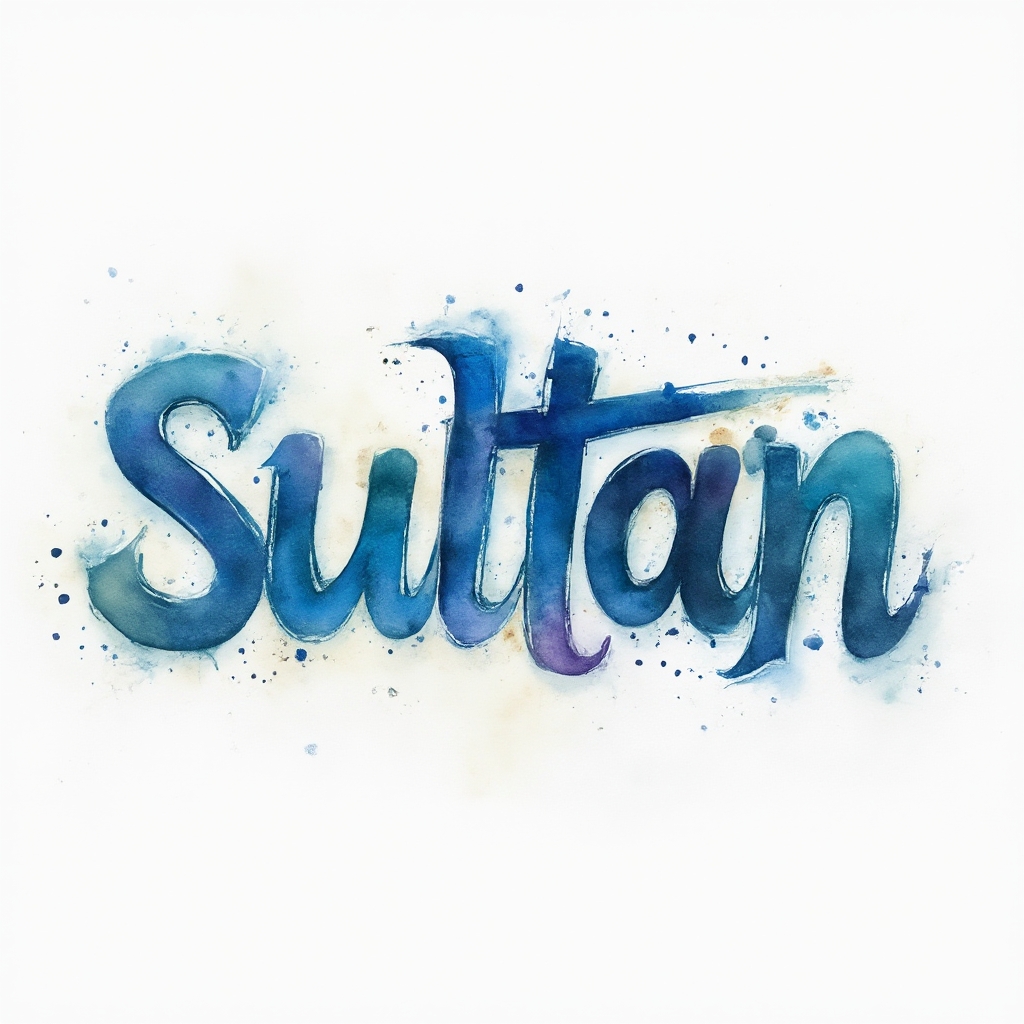
Sultan Watercolor Ink Splash Tattoo Concept
Sultan Surrealism Dreamscape Lettering Tattoo

Sultan Trash Polka Contrast Lettering Tattoo
Sultan AI-Original-Style Dimensional Script Tattoo
Global distribution & gender ratio
Türkiye
54.11% of recorded usage
Female: 91.18% · Male: 8.82%
Saudi Arabia
34.53% of recorded usage
Female: 2.34% · Male: 97.66%
Kuwait
2.19% of recorded usage
Female: 1.89% · Male: 98.11%
United Arab Emirates
1.73% of recorded usage
Female: 2.40% · Male: 97.60%
United States
1.13% of recorded usage
Female: 4.47% · Male: 95.53%
You may also like
Similar names
Amir
Derived from Arabic, Amir refers to a prince or commander, akin to Sultan's regal connotations.Malik
In Arabic, Malik signifies a king or chieftain, sharing the leadership aura present in Sultan.Shah
A Persian term for emperor, Shah often carries the majestic and powerful nuances akin to Sultan.Khalifa
An Arabic name meaning successor or ruler, frequently associated with Islamic leadership.Imran
A popular Arabic name implying noble qualities, like those associated with Sultan.Zayd
Connotations of abundance and growth, reflecting prosperity often linked to regal names like Sultan.Yusuf
An Arabic name with meanings of power and authority, sharing similarities with Sultan.Faisal
Decisive or judge in Arabic, mirroring leadership based meanings found in Sultan.Habib
With roots in Arabic, it means beloved, evoking esteem, much like the command Sultan suggests.Tariq
An Arabic name, meaning morning star, frequently associated with valor and strength, akin to Sultan.
Frequently asked questions about sultan
What does the name Sultan mean?
The name Sultan means a ruler or king, indicating power and authority.
Where does the name Sultan originate from?
The name Sultan has origins in Arabic culture, traditionally used for emperors or leaders.
Is Sultan a male or female name?
Sultan is primarily a male name but can be considered gender-neutral in different cultures.
How popular is the name Sultan?
The name Sultan is especially popular in Arabic-speaking countries and is gaining popularity elsewhere.
How is the name Sultan used globally?
Globally, Sultan is recognized across Middle Eastern and other regions, with variations in pronunciation.
What careers do people named Sultan pursue?
Sultans often excel in leadership roles, business, academia, and creative fields, reflecting their name's historical strengths.
What are typical character traits of people named Sultan?
Individuals named Sultan often exhibit leadership, confidence, ambition, cultural awareness, and a noble demeanor.
Are there similar names to Sultan?
Similar names include Amir, Malik, Shah, Khalifa, and Tariq, sharing regal and leadership connotations.
Who are famous people named Sultan?
Famous people named Sultan include the Sultan of Brunei and Sultan Kösen, recognized for their global influence.