
Meaning of the Name Juan
Origin of the Name Juan
Gender Association of the Name Juan
Popularity of the Name Juan
Global Usage of the Name Juan
Characteristic Features of People Named Juan
Charismatic
People named Juan often possess a natural charm and are able to make lasting impressions on those they meet. They're seen as warm and friendly, easily forming connections.
Reliable
Known for their dependability, Juans often take responsibilities seriously and are trusted by friends, family, and colleagues.
Compassionate
With a deep sense of empathy, those named Juan are inclined to help others, offering support and understanding in times of need.
Creative
Many Juans exhibit a creative streak, whether in the arts, problem-solving, or in crafting unique ideas and approaches.
Resilient
Faced with challenges, Juans typically display a strong sense of resilience, overcoming obstacles with determination and grace.
Curious
A natural sense of curiosity drives many Juans to explore and learn throughout their lifetime, always seeking new experiences and knowledge.
Leadership Qualities
Juans often have innate leadership skills, guiding others with confidence and a clear vision.
Family-Oriented
Values and ties to family are paramount for Juans, who often prioritize family connections and obligations.
Common Career Paths for People Named Juan
Arts and Entertainment
Juans often excel in creative fields, thriving as actors, musicians, writers, or artists due to their imaginative nature.
Education
Passionate about knowledge, many Juans are drawn to teaching and academia, sharing wisdom and fostering learning environments.
Business and Management
Leadership skills and strategic thinking enable Juans to shine in managerial roles, guiding teams to success and innovation.
Healthcare
Compassionate and empathetic, Juans flourish in healthcare professions, providing care and support to those in need.
Social Services
With a commitment to helping others, Juans frequently pursue careers in social work, advocating for societal change and welfare.
Technology
Whether in development or analysis, Juans often embrace technology careers, harnessing their problem-solving abilities and curiosity.
Sports
The name Juan is also synonymous with sportsmanship, with many pursuing careers in athletics or coaching.
Unique and Interesting Characteristics of the Name Juan
Historical Context
The name Juan has deep historical roots, evident in classical literature and historical texts, often signifying nobility and honor.
Celebrity Endorsement
Numerous celebrities and public figures bear the name Juan, ranging from influential politicians to renowned artists, enhancing its prestige.
Pop Culture Presence
From movies to music, the name Juan frequently appears in pop culture, serving as a quintessential representation of Hispanic identities.
Regional Varieties
The name has evolved into various forms, like Jean (in French) and John (in English), reflecting its adaptability and timelessness.
Symbolism
Juan, as a symbol, frequently represents traits of hospitality and generosity in literary works and media depictions.
Literary References
Notable literary works feature characters named Juan, showcasing its narrative significance and cultural depth.
Unique Celebrations
In some regions, the name is celebrated on specific feast days, emphasizing its cultural and spiritual importance.
Famous People Named Juan
- Juan Manuel Santos: Former President of Colombia and Nobel Peace Prize Laureate.
- Juan Gabriel: Iconic Mexican singer and songwriter.
- Juan Mata: Professional Spanish football player.
- Juan Ponce de León: Spanish explorer and conquistador known for searching the Fountain of Youth.
- Juan Gris: Renowned Spanish painter and sculptor linked to the Cubism movement.
Tattoo Design Set for the Name 'juan'
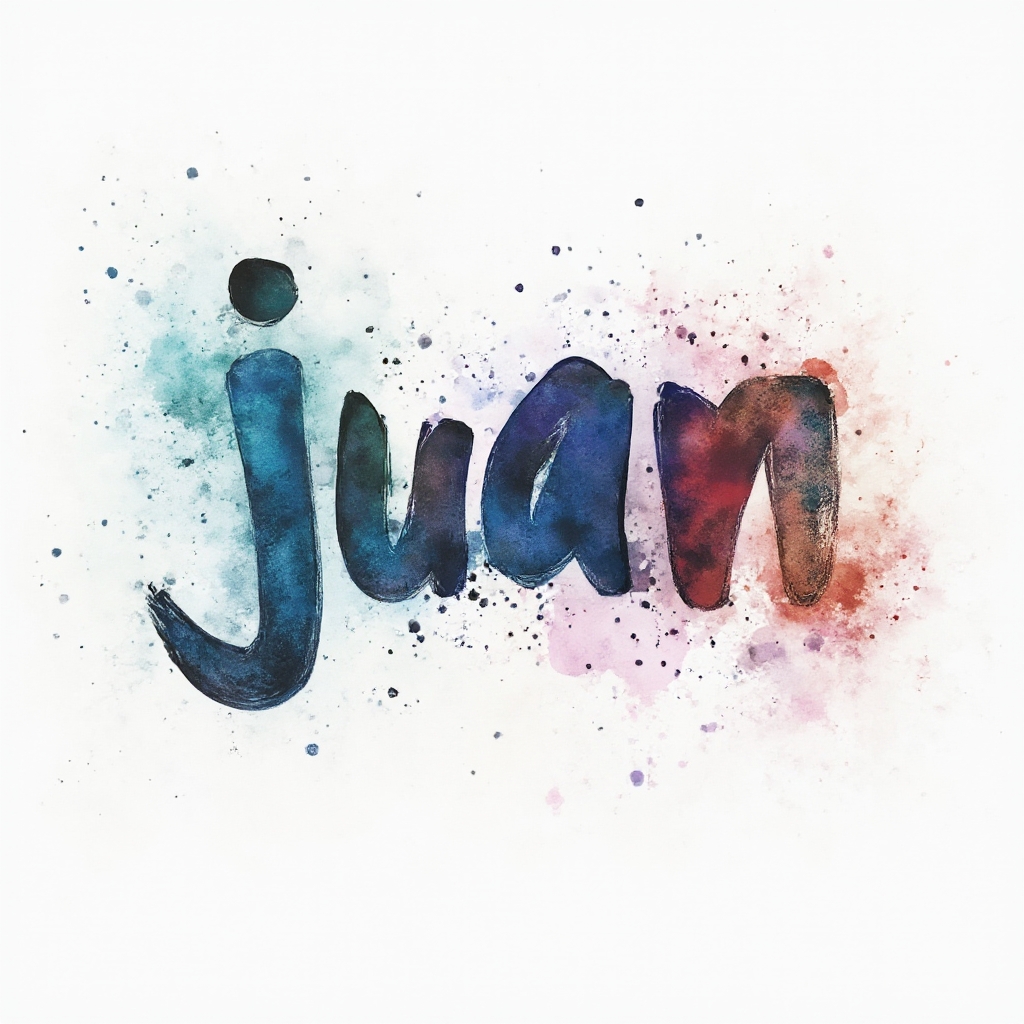
Watercolor Splash 'juan'

Surreal Dreamscape 'juan'
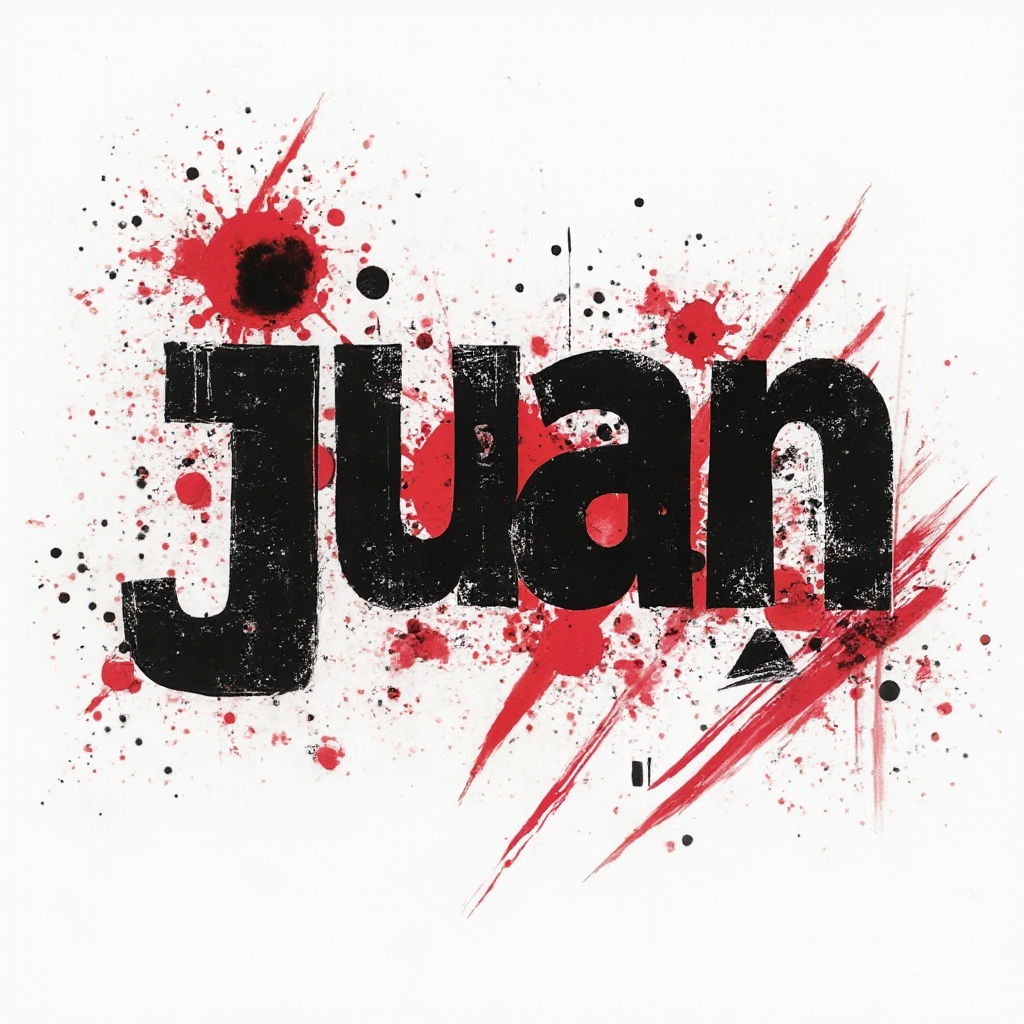
Trash Polka 'juan'

AI-Original-Style 'juan'
Global distribution & gender ratio
Mexico
33.04% of recorded usage
Female: 0.29% · Male: 99.71%
Colombia
12.15% of recorded usage
Female: 0.29% · Male: 99.71%
United States
10.89% of recorded usage
Female: 0.88% · Male: 99.12%
Spain
8.52% of recorded usage
Female: 0.59% · Male: 99.41%
Chile
6.68% of recorded usage
Female: 0.20% · Male: 99.80%
You may also like
Similar names
José
A name with Spanish roots that shares similarities in religious significance to Juan, often associated with “God will add”.Luis
A fellow traditional Spanish name meaning “famous warrior”, known for its strong cultural roots.Miguel
Meaning “who is like God?”, Miguel shares spiritual significance with Juan.Diego
A vibrant, historical name meaning “supplanter”, echoing strength and leadership.Carlos
Meaning “free man”, Carlos exudes a sense of independence and authority.Raúl
A name that signifies “wolf counsel”, portraying wisdom and strength.Javier
Imbued with the meaning “new house”, representing fresh starts and innovation.Fernando
This name suggests a meaning of “brave traveler” or “adventurous”, aligning with notions of exploration.Antonio
Rooted in Latin origins, Antonio means “priceless” or “inestimable”.Pablo
With a meaning of “small” or “humble”, Pablo complements the humility often associated with Juan.