
Meaning Behind the Name Luis
The Origins of Luis
Gender Association of the Name Luis
Popularity of the Name Luis
Global Usage of the Name Luis
Characteristic Features of People Named Luis
Charismatic
Often well-liked and charming, with natural leadership abilities.
Brave
Shows courage in facing challenges, aligning with its warrior meaning.
Ambitious
Possesses high goals and motivation to achieve them.
Loyal
Highly committed to family and friends, cherished for trustworthiness.
Intelligent
Known for quick thinking and a sharp intellect.
Articulate
Good communication skills, often excelling in verbal expression.
Persistent
Displays a strong resolve, not easily deterred by obstacles.
Common Career Paths for People Named Luis
Leadership Roles
Inclined towards positions of authority, such as CEOs or managers.
Creative Fields
Many excel in the arts, including music, theater, and visual arts.
Scientific Careers
Engages in curiosity-driven research and development.
Legal Professions
Many pursue careers in law, utilizing their strong articulation skills.
Entrepreneurship
Driven by innovation and ambition, often leading successful startups.
Healthcare
Compassionate and committed, they thrive in medical positions.
Education
Their intelligence and communication skills suit academic environments.
Unique and Interesting Characteristics of the Name Luis
Royal Heritage
Historically associated with European royalty, often used by kings.
Pop Culture Presence
Featured in films and songs, maintaining its modern appeal.
Global Variations
As Luis, Ludwig, and Luigi, it adapts across cultures.
Phonetic Adaptability
Harmonizes well linguistically with different languages.
Iconic In Sports
Many celebrated athletes carry the name.
Literary Mentions
Frequently appears in novels and stories worldwide.
Famous People Named Luis
- Luis Fonsi: Singer and songwriter known for the hit "Despacito"
- Luis Suárez: Prolific Uruguayan soccer player
- Luis Miguel: Renowned Mexican singer
- Luis Buñuel: Influential Spanish filmmaker
- Luis Aragonés: Esteemed Spanish football manager and player
Tattoo design prompts for the name 'luis'

Watercolor Luis

Surreal Luis
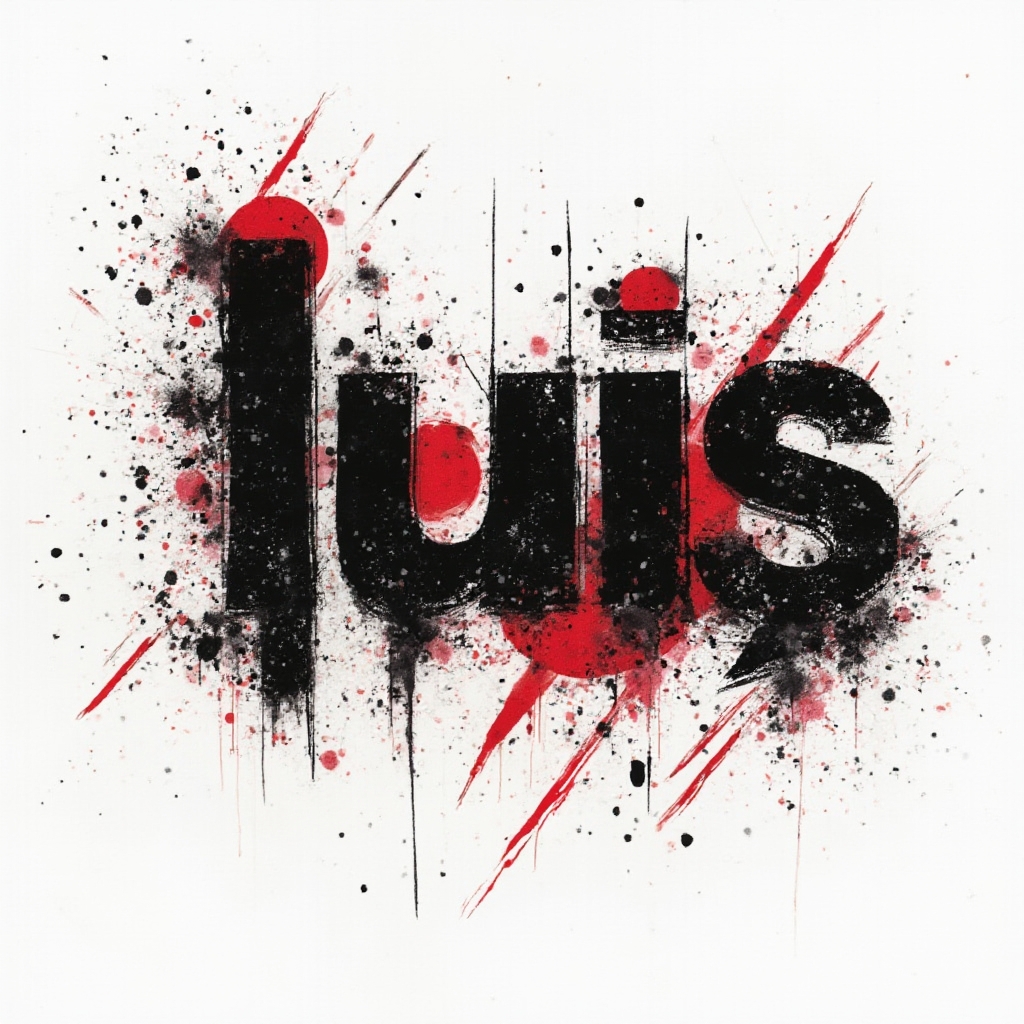
Trash Polka Luis

AI-Original-Style Luis
Global distribution & gender ratio
Mexico
40.70% of recorded usage
Female: 0.27% · Male: 99.73%
Brazil
17.11% of recorded usage
Female: 0.45% · Male: 99.55%
United States
8.78% of recorded usage
Female: 0.49% · Male: 99.51%
Spain
4.88% of recorded usage
Female: 0.34% · Male: 99.66%
Chile
3.68% of recorded usage
Female: 0.28% · Male: 99.72%
You may also like
Similar names
Carlos
A strong name meaning free man, sharing a similar cultural and linguistic background.Juan
Popular in Hispanic regions, meaning God is gracious, often paired as Juan Luis.Jose
Meaning may God add and prevalent in Spain and Latin America.Miguel
A classical name, meaning who is like God, suitable for those who value tradition.Alejandro
Refers to a defender of men and is well-known across several cultures.